Uganda Suspends Defence Ties with Turkey over Somalia Dispute
Kampala halts military cooperation with Ankara, a move linked to funding losses from the Somali mission.
Key points
- Uganda suspended all defence cooperation with Turkey, citing a dispute over its military presence in Somalia.
- The move threatens Uganda with $60-72 million in annual revenue loss from its Somali troop deployment.
- Turkey has trained 35,000 Somali soldiers, reducing Mogadishu's reliance on foreign military support.
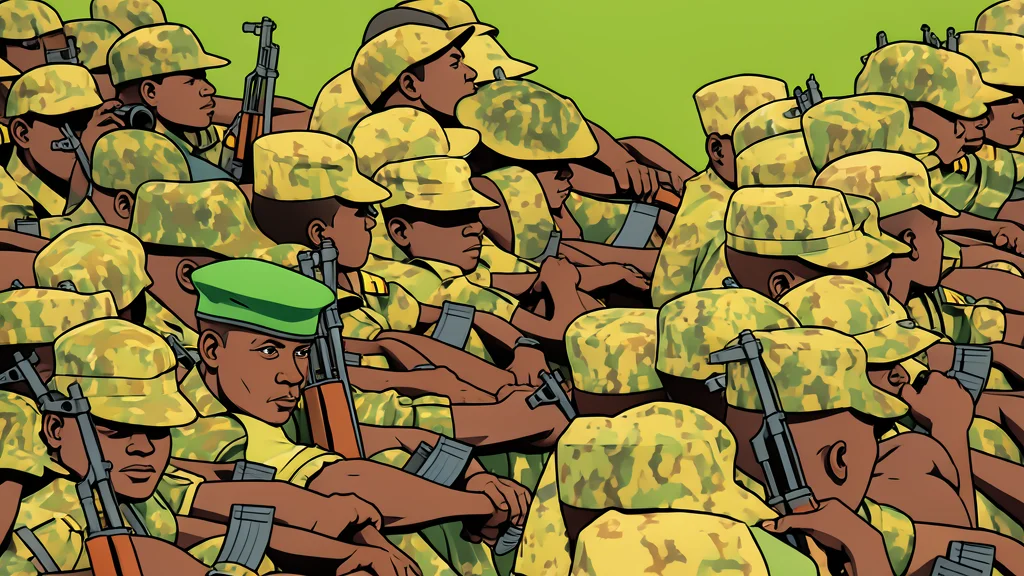
Uganda has suspended all defence and military cooperation with Turkey, a decision that sources say is rooted in a broader strategic disagreement over Somalia rather than recent diplomatic protests. The Uganda People's Defence Forces announced on Saturday that the halt to relations with Ankara is effective immediately, marking a significant rupture in a partnership that had expanded in recent years.
While public reports linked the move to demands for the extradition of Ugandan commentator Fred Lumbuye, those familiar with the matter told Middle East Eye that this was a pretext. The core issue, they said, is the future of Uganda’s roughly 6,500 troops in Somalia and the financial implications of a potential withdrawal as Turkish influence in Somali security grows.
Strategic shift in Somali security
Uganda maintains a substantial military presence in Somalia, with approximately 4,500 troops serving under the African Union mission and another 2,000 under a bilateral agreement. However, the stability of this deployment is under threat after the United States indicated it would end logistical funding for the mission by the end of the year. This funding gap has forced Kampala to reconsider the viability of its continued engagement in the region.
According to sources, Somalia has requested that Uganda end its deployment, citing the increasing capability of its own security forces. Ankara has played a central role in this shift, training nearly 25,000 Somali soldiers and an additional 10,000 commandos. This transfer of capacity has reduced Somalia's reliance on external military support, altering the security dynamics in the Horn of Africa.
Financial stakes and diplomatic pressure
The suspension of ties carries significant economic weight for Kampala. Uganda reportedly receives at least $1,000 per month for each soldier deployed in Somalia, meaning a full withdrawal could result in a loss of $60 million to $72 million annually. One source described the situation as a pressure tactic, with Uganda seeking a resolution from Turkey, which it views as the primary stakeholder in Somalia's current security architecture.
Tunc Demirtas, a researcher at the Seta think tank, noted that Somalia is increasingly capable of securing its capital and surrounding regions. He suggested that the previous arrangement contributed to a local war economy that benefited Uganda. As state capacity in Mogadishu improves, the need for large-scale foreign troop deployments is diminishing, creating a structural challenge for partner nations dependent on such missions.
Risk to broader infrastructure contracts
Ankara is reportedly seeking a swift resolution to the dispute due to fears that Turkish companies operating major infrastructure and transport projects in Uganda may face retaliation. Reports indicate that Uganda could cancel a $3 billion railway contract, which would represent a severe blow to Turkish economic interests in the country. The tension highlights how military disputes can ripple into broader commercial and diplomatic relationships between the two nations.