Guinea and Ivory Coast Leaders Pledge Enhanced Regional Cooperation
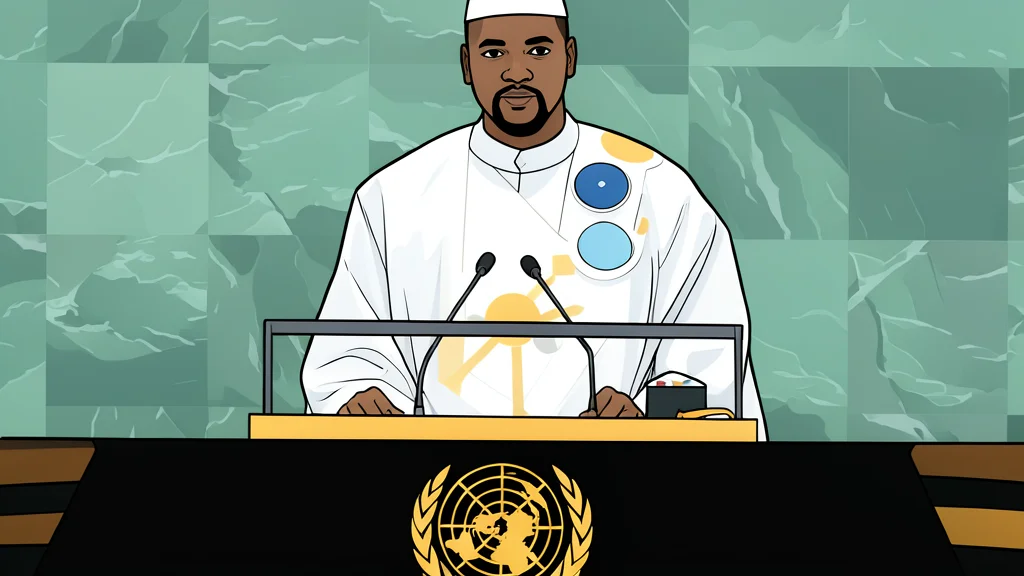
In Abidjan, the presidents of Guinea and Ivory Coast have outlined a joint strategy to deepen economic and security ties, focusing on intelligence sharing and addressing cross-border challenges.
Guinea’s President Mamady Doumbouya arrived in Abidjan on Friday for high-level discussions with Ivorian President Alassane Ouattara. The visit marks a significant diplomatic step for the two West African nations, as the leaders convened on Sunday to finalize agreements aimed at broadening their bilateral relationship. According to statements released by the Ivorian presidency, the focus of these talks extended beyond traditional diplomacy to include concrete plans for economic diversification and political alignment.
The central theme of the summit was the necessity of stability for sustainable development. Doumbouya explicitly linked peace to economic progress, noting that the region faces a complex array of security threats. The two heads of state agreed that a coordinated approach is required to address these shared challenges, signaling a shift toward more integrated regional security frameworks and stronger institutional cooperation between the two capitals.
Security and Intelligence Priorities
A primary area of agreement involves the enhancement of intelligence sharing. Doumbouya highlighted the urgency of collaborating on cross-border crime and counter-terrorism efforts, stating that both nations are prepared to exchange critical information to neutralize threats. This commitment reflects a broader trend in West Africa, where neighboring states are increasingly recognizing that security cannot be maintained in isolation. By pooling resources and intelligence, the leaders aim to create a more robust defense mechanism against regional instability.
Economic Diversification and Trade
Beyond security, the leaders pledged to strengthen trade relations and diversify their economic partnerships. The discussions included measures to facilitate smoother commercial exchanges and to develop new avenues for investment. This economic integration is seen as a way to reduce reliance on a narrow range of exports and to build more resilient local economies. The agreement underscores a mutual desire to leverage their respective strengths to create a more prosperous regional market.
Addressing Illegal Mining Concerns
A significant portion of the dialogue was dedicated to the issue of illegal gold mining, which Doumbouya described as a strategic concern for Guinea. According to a statement from Ouattara’s office, the leaders discussed the economic losses associated with undeclared production. A 2024 report indicated that a substantial percentage of gold produced in Africa remains undeclared, resulting in billions of dollars in lost revenue for the continent. The agreement to tackle this issue highlights the importance of regulatory cooperation and the need for transparent supply chain management to ensure that natural resources contribute effectively to national development.
As reported by Africanews, this diplomatic engagement sets the stage for continued cooperation in the coming months. The next phase will likely involve the implementation of specific protocols for intelligence exchange and the establishment of joint committees to oversee trade and mining regulations. Observers will be watching closely to see how these agreements translate into tangible actions on the ground, particularly in the regions where security challenges are most acute.