Uganda Buries King Oyo Amid Royal Succession Crisis
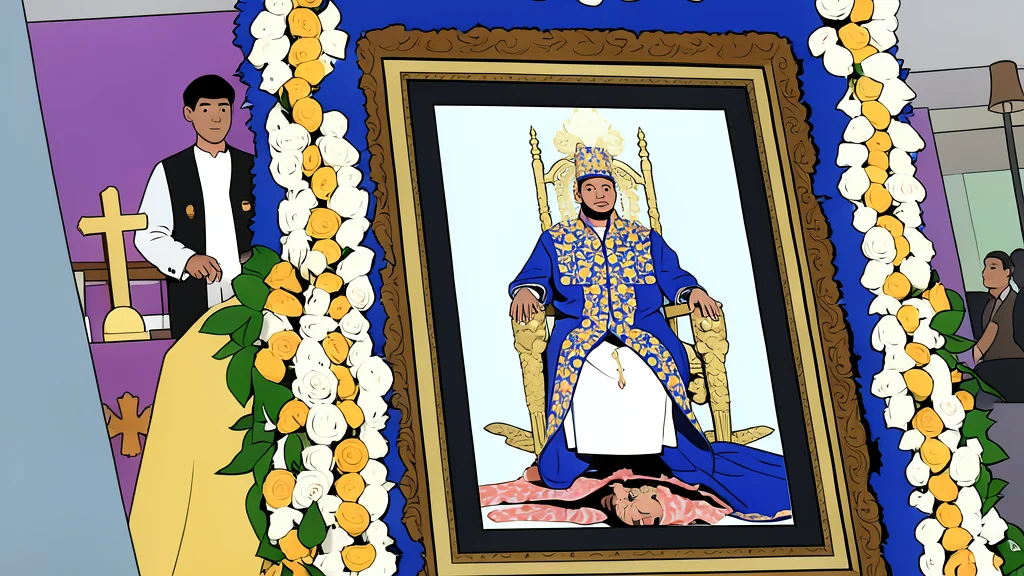
Thousands gathered in western Uganda to mourn King Oyo, whose death has ignited a bitter dispute over who holds the right to the Tooro throne.
Thousands of mourners gathered in western Uganda on Saturday to pay their final respects to King Oyo Nyimba, the former monarch of the Tooro Kingdom who died last month at the age of 34. The funeral service, held in the remote city of Fort Portal near the Congo border, concluded a nine-day period of mourning for a ruler who had captivated the public imagination since his coronation as an infant in 1995. According to Africanews, the atmosphere was somber yet tense, as the community grappled with the loss of a figure who had become a beloved symbol of national identity despite lacking formal political power.
The ceremony, which took place in an Anglican cathedral, marked the end of an era for one of East Africa’s most recognized traditional leaders. Oyo, who was once known as the world’s youngest monarch, passed away from cancer without having declared an official heir. This absence of a clear successor has plunged the royal family into a deep internal conflict, pitting the ruling clan against the late king’s closest relatives and threatening to destabilize the traditional order that has defined the region for centuries.
Clan and Family Clash Over Heir
The core of the current dispute centers on contradictory claims regarding Oyo’s lineage. Elders from the Babiito clan, the ruling group of the kingdom, assert that the late king never designated an heir and was unmarried at the time of his death. This stance directly conflicts with accounts from Oyo’s immediate family, who maintain that he left behind a son born out of wedlock. The son has not been publicly identified, a vacuum that has fueled sensational speculation on social media platforms, where users have proposed at least two possible candidates for the throne.
Complicating matters further, a committee of Tooro elders recently announced the selection of a prince who works as a journalist to succeed Oyo. This decision has been met with sharp division within the kingdom. Traditionalists have praised the move as a necessary step to ensure an adult occupies the throne, arguing that stability is paramount. Conversely, Oyo’s closest relatives have condemned the announcement, viewing it as an attempt to bypass the late king’s wishes and create turmoil within the family structure.
Family Appeals for Peaceful Mourning
In the wake of the elder’s decision, Oyo’s sister Ruth Komuntale described the announcement as a strategy designed to bring division and chaos to the royal household. Queen Mother Best Kemigisa, Oyo’s mother, issued a public statement urging those involved in the succession battle to pause their political maneuvers. She appealed directly to the disputing parties, asking them to allow the family and the nation the space to grieve their loss before engaging in the complex process of determining the next monarch.
The emotional weight of the situation was underscored by tributes from prominent figures who knew the late king. Timothy Kalyegira, a prominent analyst from Tooro, compared the death to the loss of a cultural icon, stating that the pain of losing such a likeable young man at 34 is a wound that may never fully heal. These sentiments reflect the broader public attachment to Oyo, who was remembered not just as a ruler, but as a curious and charismatic figure who engaged with global leaders and captivated millions of followers.
Legal Pathways for the Throne
With the traditional channels of succession now fraught with disagreement, the matter may eventually be resolved through the court system. Oyo’s family has indicated that he left behind a will that has been ignored by the Tooro elders, suggesting that legal proceedings could determine the validity of the claimed heir. This potential legal battle highlights the increasing intersection of modern legal frameworks and ancient royal traditions in Uganda, where traditional monarchs serve as guardians of tribal culture rather than holders of state power.
The resolution of this dispute will likely set a precedent for how succession is handled in Uganda’s restored traditional kingdoms, which were banned after independence but reinstated in 1993. As the nation watches this internal struggle unfold, the focus remains on whether the Tooro Kingdom can maintain its unity and cultural integrity amidst the political and personal tensions that have arisen from the king’s untimely death.