Nigerian Bishops Call for Integrity in 2027 Elections
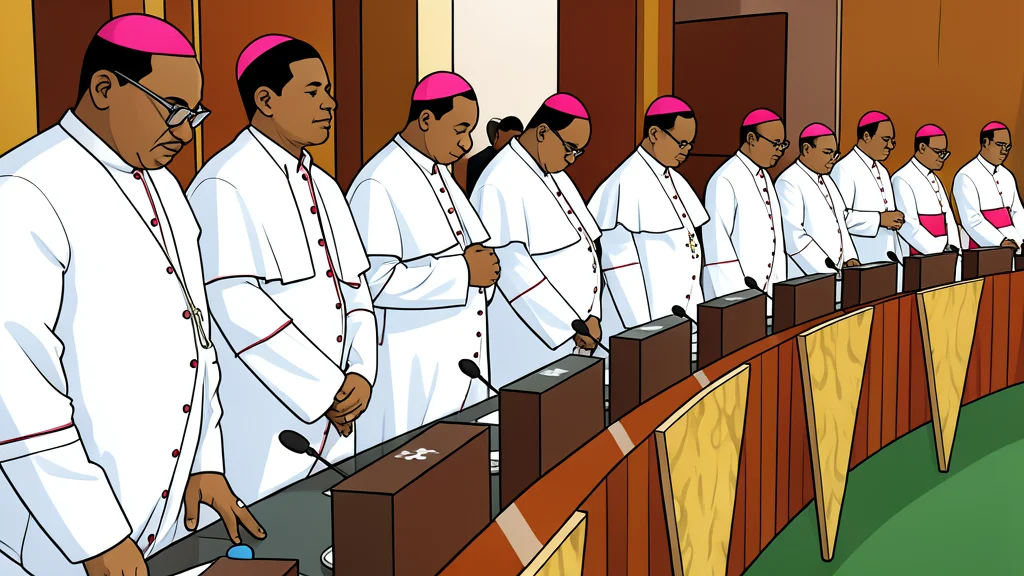
The Catholic Bishops’ Conference of Nigeria has issued a formal warning against electoral manipulation, urging political leaders to uphold democratic standards ahead of the 2027 general elections.
The Catholic Bishops’ Conference of Nigeria (CBCN) has directed a strong admonition toward political leaders, warning against any attempts to manipulate the upcoming 2027 general elections. The body called for polls that are free, fair, and credible, emphasizing that such integrity is essential for restoring public confidence in the nation's democratic trajectory. This stance was articulated during the Second Plenary Meeting of the CBCN, held in Osun State, where church leaders deliberated on issues affecting both the church and Nigerian society.
According to reports from GN auto geopolitics/africa: Nigeria elections, the conference took place from September 10 to 18 at the Our Lady and St. Kizito’s Pastoral Centre. Archbishop Matthew Man-Oso Ndagoso, the CBCN President and Archbishop of Kaduna, addressed the gathering, which included the Apostolic Nuncio, clergy, and lay faithful. He framed the 2027 elections as a critical opportunity for Nigeria to strengthen its democratic institutions and ensure that the electoral process reflects the will of the people without undue interference.
Political Leadership and Democratic Responsibility
Archbishop Ndagoso described politics as a noble profession when practiced in service of the common good. He urged elected and appointed officials, including the President, governors, and members of the National Assembly, to respect the rules of the democratic process. The CBCN President noted that conducting credible elections is well within the capacity of Nigerians and should not be viewed as an insurmountable challenge. He emphasized that the responsibility for maintaining a fair electoral environment extends to all levels of governance, from federal ministries to local government chairmen.
The warning came as political campaigns have already commenced across the country. The Archbishop observed that public spaces such as stadia, event centers, and school fields are becoming arenas for political activity. He cautioned that the intensity of these campaigns requires a heightened sense of responsibility from political actors to avoid undermining the integrity of the process. The CBCN’s intervention underscores the church’s role as a moral voice in a political landscape where trust in institutions is often tested.
Voter Integrity and Resistance to Corruption
Beyond calling on leaders, the CBCN also issued a direct appeal to eligible voters. The bishops urged citizens to reject vote-buying and selling, resist political cronyism, and refuse to be instrumentalized as political thugs by desperate candidates. This aspect of the warning highlights the church’s concern over the degradation of the voter experience and the need for a more informed and principled electorate. The message aligns with broader calls for civic responsibility, suggesting that the quality of the election outcome depends significantly on the behavior of the voting public.
Former Ekiti State Governor Dr. Kayode Fayemi echoed these sentiments, urging Nigerians to base their choices on competence, integrity, and commitment to the common good. His remarks reflect a growing consensus among political figures and civil society actors that the 2027 elections must be judged on the caliber of candidates rather than mere tribal or regional affiliations. The convergence of religious and political voices on this issue suggests a shared recognition of the stakes involved in the next electoral cycle.
Post-Election Unity and Social Cohesion
The plenary also touched on the importance of unity following the electoral process. Archbishop Ndagoso welcomed Governor Ademola Adeleke and other government officials to the gathering, congratulating Adeleke on his re-election as Osun State Governor. He commended all contestants in the recent governorship election and urged political actors in the state to unite after the polls. The focus on post-election unity is a recurring theme in Nigerian political discourse, aiming to mitigate the social fractures that often follow contentious elections.
As the 2027 elections approach, the forward question remains how effectively these moral appeals will be translated into practical safeguards. The involvement of the Catholic Church signals a desire for a more stable and inclusive democratic process, but the ultimate test will lie in the actions of political parties, electoral agencies, and voters themselves. Observers will be watching closely to see if the warnings against manipulation are heeded, and whether the emphasis on competence and integrity prevails over traditional patterns of political engagement. The next few months will be crucial in determining whether Nigeria’s democratic confidence is restored or further eroded.