Italy and Libya Expand Military Cooperation Amid Regional Tensions
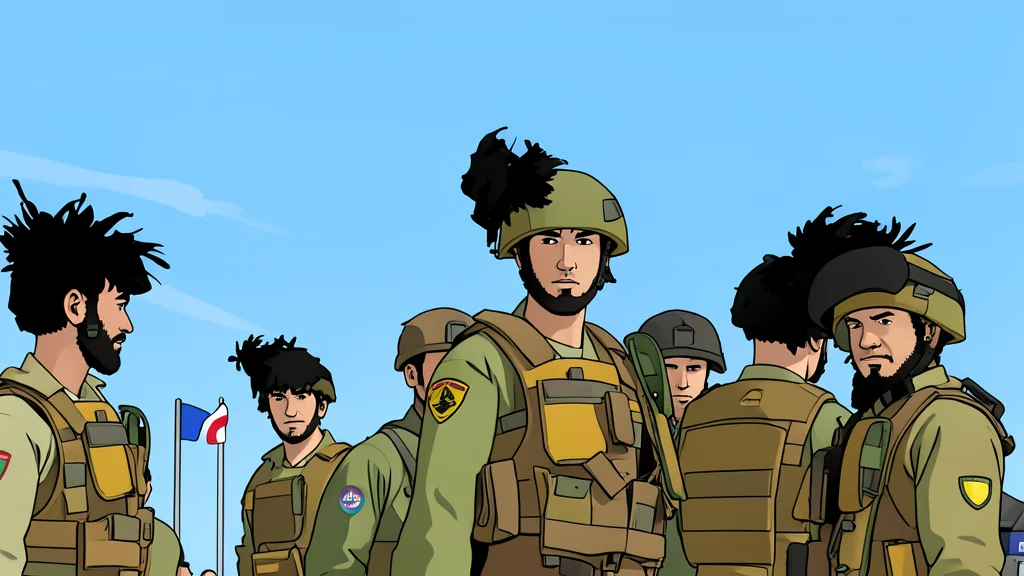
Italian and Libyan military leaders have met in Tripoli to deepen bilateral defense ties, focusing on training and operational capacity. This diplomatic move occurs as Russia expands its presence in the region and security concerns rise across North Africa.
Italian and Libyan military officials have concluded a series of meetings in Tripoli aimed at strengthening their bilateral defense relationship. According to reports, the discussions centered on expanding cooperation in professional training and operational capacity building. The engagement highlights a significant diplomatic effort by a NATO founding member to maintain influence within a complex and volatile region.
The talks took place against a backdrop of heightened security concerns in Libya. Recent incidents, including alleged foreign drone attacks and internal political instability, have underscored the fragility of the country's security situation. Despite these challenges, both sides emphasized the importance of building on existing results and broadening the scope of their partnership.
Bilateral Defense Cooperation Deepens
Libya’s Chief of General Staff, Lieutenant General Salah al-Din al-Namroush, met with his Italian counterpart, Lieutenant General Luciano Portolano, to explore avenues for closer military collaboration. As reported by Libya Observer, the officials evaluated ongoing projects and discussed specific mechanisms for training and expertise exchange. They also convened with Defense Ministry Undersecretary Lieutenant General Abdulsalam al-Zoubi to address broader issues of mutual interest, signaling a comprehensive approach to their security dialogue.
Russian Presence Expands Across North Africa
These diplomatic moves coincide with a significant expansion of Russia’s military footprint in the region. According to Business Insider Africa, Moscow has reportedly increased its presence across six Libyan bases, deploying drones and fighter jets. This strategic positioning allows Russia to strengthen its proximity to allies in the Alliance of Sahel States, comprising Mali, Burkina Faso, and Niger. The development has raised concerns among Western analysts about the shifting balance of power in the Mediterranean and Sahel.
The Russian Foreign Ministry has stated that Moscow remains committed to resolving the Libyan crisis based on a national consensus among the country's political forces. However, some analysis published by AP suggests that Russia’s close relationship with Libya is partly intended to undermine Western interests and portray the West as an undependable security partner. This narrative adds a layer of geopolitical complexity to the ongoing security dynamics in the region.
Security Concerns and Regional Stability
Amid these developments, the United States has issued stern travel warnings to its citizens, advising them to avoid traveling to or remaining in Libya due to risks of kidnapping, terrorism, and clashes between rival factions. The recent alleged Ukrainian drone attack on a key Libyan refinery, which reportedly forced a temporary shutdown, further illustrates the volatile nature of the security environment. These incidents highlight the precarious balance of power and the potential for rapid escalation in the region.
The forward question now centers on how these competing influences will shape Libya's future. Observers will closely watch for further signs of military integration between Italy and Libya, as well as any additional moves by Russia to solidify its strategic position. The outcome of these dynamics will likely have broader implications for security and stability across North Africa.