Sudanese Artists Document Four Years of Neglected Conflict
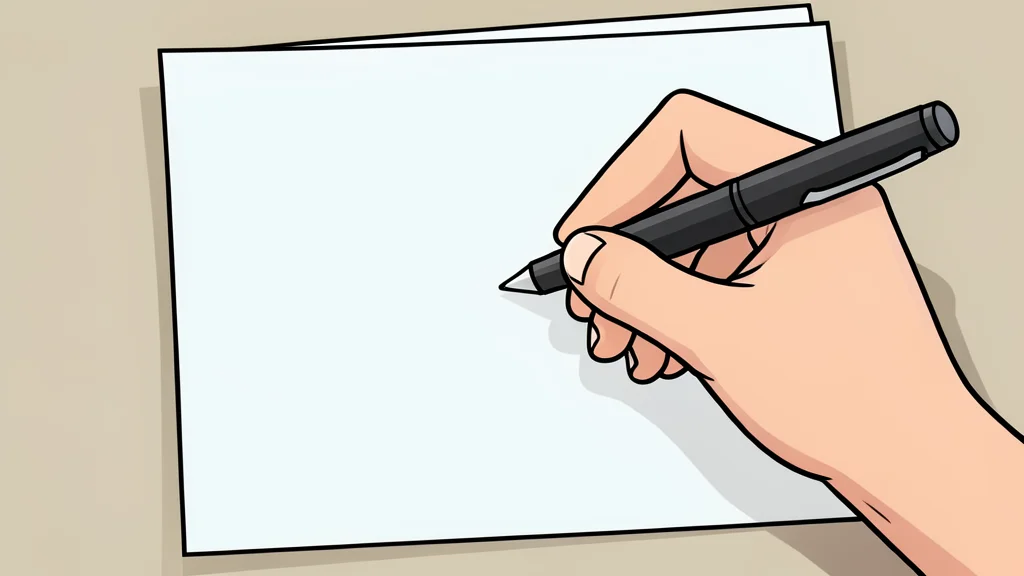
As international media attention fades, Sudanese cartoonists are using visual art to preserve the narrative of a prolonged war that has entered its fourth year.
The conflict in Sudan has now surpassed 1,200 days, a duration that has largely receded from the forefront of global news cycles. According to reports from Médecins Sans Frontières (MSF) Australia, this absence of coverage is not merely an oversight but a result of what one colleague described as deliberate international indifference. The story of the war is no longer driven by headlines but by the daily realities faced by those living inside the country and in exile.
In response to this silence, a collaborative initiative has emerged between MSF and a network of Sudanese cartoonists associated with Khartoon Magazine. Many of these artists are themselves displaced or living in the diaspora. Their work aims to bypass traditional media frameworks, offering a perspective that is rooted in the lived experience of the population rather than external political analysis.
Art as a Voice for the Displaced
The contributors to this project argue that visual language can convey emotional truths that formal diplomatic channels often fail to capture. Nader Jenni, an illustrator and writer for Khartoon Magazine, suggests that art serves a critical psychological function for those affected by the war. He notes that a simple drawing can create a sense of solidarity, making individuals feel understood by others who are witnessing their struggle.
Jenni emphasizes that while large international conferences generate political rhetoric, they rarely address the human cost directly. For the artists involved, the act of creating is a way to soften the sharpness of the tragedy. This approach allows them to maintain a connection to their community and to each other, even when separated by borders and displacement.
Challenging the Narrative of Indifference
The initiative underscores a growing concern that the world has stopped watching the Sudanese crisis. By centering the voices of Sudanese artists, the project challenges the notion that the conflict is a distant geopolitical issue. Instead, it presents the war as an ongoing humanitarian event that requires sustained attention and empathy from the international community.
According to the material provided by GN auto geopolitics/africa: Sudan conflict, the responsibility for telling this story lies with the Sudanese people themselves. This shift in narrative authority highlights a broader trend where local communities seek to define their own experiences, rather than having them interpreted by external observers who may lack the necessary context or commitment.
Sustaining Attention in a Crowded Media Landscape
As the war enters its fourth year, the challenge remains to keep the crisis visible in a media environment saturated with competing global events. The use of art offers a different entry point for audiences, one that relies on emotional resonance rather than statistical data. This method may prove more effective in sustaining long-term engagement with the humanitarian situation.
The forward question is whether this grassroots approach to storytelling can counteract the broader trend of international disengagement. Observers will need to watch if this initiative inspires similar efforts in other conflict zones, potentially reshaping how the world consumes and responds to ongoing humanitarian crises.