LGBTQ+ Refugees Report Persistent Violence in South Sudan Camp
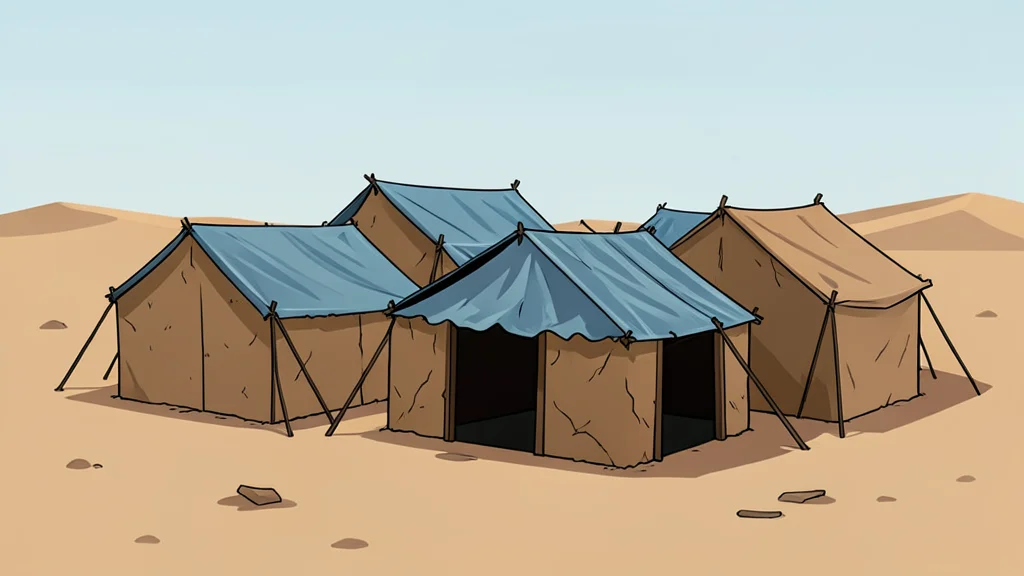
Despite seeking safety, LGBTQ+ individuals in Gorom settlement face ongoing harassment and attacks according to new reports.
Key points
- LGBTQ+ refugees in South Sudan's Gorom settlement report ongoing violence and harassment despite seeking asylum.
- The camp houses approximately 16,000 refugees, far exceeding its original capacity of 2,500.
- Residents fled Uganda and Kenya due to harsh anti-LGBTQ+ laws, including potential life imprisonment or death penalties.
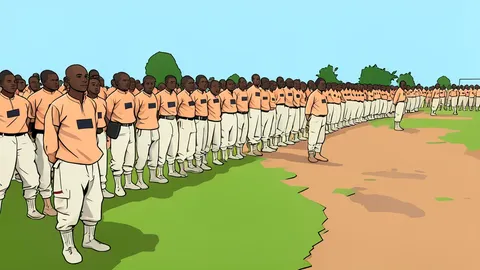
LGBTQ+ refugees in South Sudan’s Gorom settlement report that the persecution they fled has followed them into the camp intended to offer protection. According to accounts shared with Geographical, individuals face daily discrimination, targeted attacks, and intimidation because of their sexual and gender identities.
The settlement, located 26 kilometers southwest of Juba, was originally built in 2010 to house 2,500 refugees from Ethiopia. However, it now holds approximately 16,000 people, forcing it to stop registering new arrivals in June. While UNHCR declines to specify how many residents identify as LGBTQ+ for confidentiality reasons, one resident estimates the number to be around 600.
Escaping Legal Persecution in Uganda
Many residents, including a 31-year-old transgender woman referred to as Amy, fled Uganda after growing up under conservative religious influences and harsh anti-homosexuality laws. Her fear intensified when her family discovered a secret relationship, prompting her to leave the country in 2021. This exodus occurred before Uganda passed its Anti-Homosexuality Act in March 2023, which introduced life imprisonment and potential death penalties for aggravated offenses.
Amy’s journey took her through Kenya’s Kakuma Refugee Camp, where same-sex activity remains illegal and punishable by up to 14 years in prison. Concerns over safety and proposed legislative changes led her to seek refuge in South Sudan. She arrived in Gorom in June 2024, hidden in a vehicle, hoping for a safer environment after years of instability.
Violence Continues Within Camp Boundaries
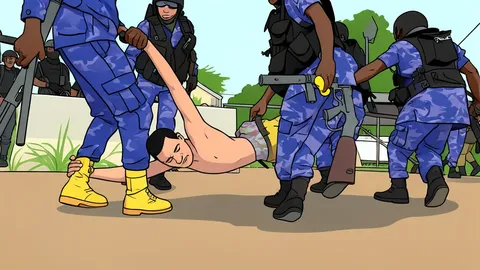
Resident testimony indicates that life in Gorom remains precarious. Individuals report being beaten at night, attacked at water collection points, and harassed by other refugees. Some have had their businesses burnt down or received letters from neighbors demanding they leave the camp. These incidents highlight the gap between the camp’s protective mandate and the reality faced by marginalized groups.
The camp is managed by the South Sudanese government’s Commission for Refugee Affairs and supported by organizations like UNHCR and the Red Cross. Despite this institutional framework, the overflow of the settlement and the lack of specific protections for LGBTQ+ individuals have created an environment where hate speech and targeted violence persist.
Urgent Need for Protective Measures
The experiences of these refugees illustrate the extraordinary distances traveled in search of safety, only to encounter continued threat. As the camp remains over capacity, the forward question lies in how international bodies and local authorities will implement specific safeguards to prevent further harm to these vulnerable residents.