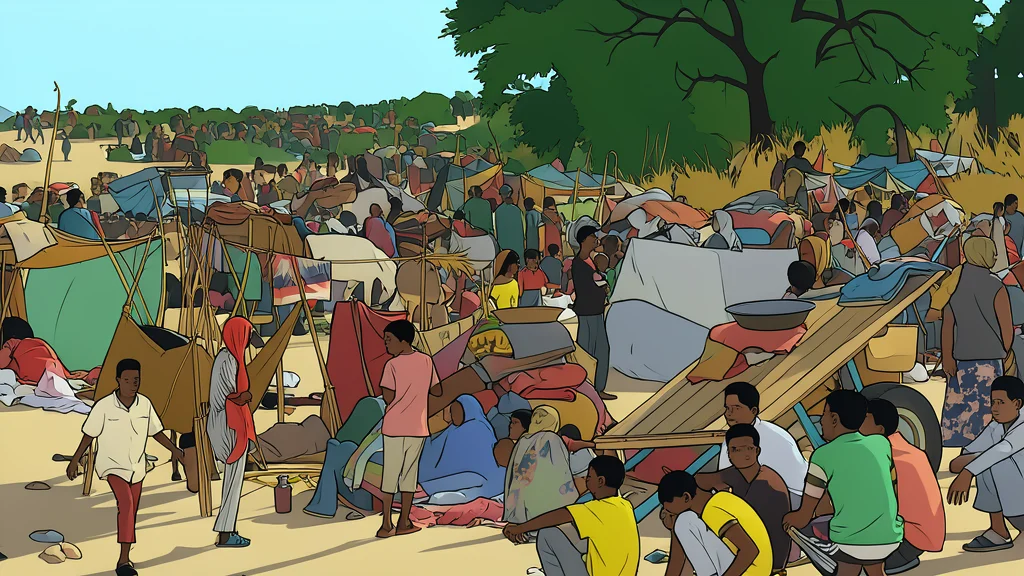
Morocco's Evolving Role in Regional Displacement Crisis
New data indicates a significant shift in Morocco's demographic landscape as it hosts a growing number of refugees and asylum seekers, driven largely by instability in Sudan and the wider Sahel region.
Morocco has emerged as a significant destination for displaced persons, with over 23,600 refugees and asylum seekers registered with the United Nations Refugee Agency by the end of June 2026. This figure reflects a substantial increase in the country's role beyond its traditional perception as a transit hub for those seeking to reach Europe. The shift highlights how regional conflicts, particularly in Sudan, are reshaping migration patterns across the Mediterranean and Atlantic corridors.
According to the GN geopolitics/migration (en-US) report, the Kingdom is increasingly functioning as a space for protection and inclusion amid broader instability in the Sahel. The data, derived from UNHCR records, shows that Morocco now hosts a diverse population from more than 60 countries, with Sudanese nationals forming the largest group. This demographic change places new demands on local protection systems and underscores the complex nature of contemporary displacement.
Sudanese Nationalities Lead New Registrations
The most striking trend in the recent data is the surge in arrivals from Sudan. Since the conflict intensified in 2024, Sudanese citizens have accounted for the majority of new registrations in Morocco. In 2026, they represented 68 percent of all newly recorded individuals, with an average of 233 new registrations per month. This pattern illustrates how the war, which began in April 2023, has driven people to seek safety far beyond their immediate regional neighbors.
While Sudanese nationals lead the new arrivals, the overall registered population includes significant numbers of Syrians, Guineans, Ivorians, and citizens of the Central African Republic. Together, these five nationalities constitute the bulk of the 23,615 individuals under UNHCR mandate. The diversity of origins indicates that Morocco is absorbing displacement flows from multiple simultaneous crises, requiring a flexible and responsive protection framework.
Complex Protection Needs Emerge
The changing profile of arrivals has introduced specific vulnerabilities that require specialized attention. A significant proportion of new registrants are children traveling without parents or legal guardians. According to the agency, unaccompanied children accounted for one in nine people newly registered during the reporting period. This high ratio signals heightened protection risks and necessitates robust safeguarding measures within the existing infrastructure.
To address these challenges, UNHCR operates through a branch office in Rabat and five decentralized protection units established with the Moroccan Organization for Human Rights. These units provide essential services such as registration, documentation, and counseling across key regions. The decentralized approach is crucial because the refugee and asylum-seeker population is not concentrated solely in major cities like Rabat or Casablanca, but is distributed across several parts of the country.
Institutional Capacity Faces Growing Pressure
The sustained growth in the population under international protection is placing increased strain on local systems. The agency notes that it is working closely with the Moroccan government to strengthen national asylum and protection frameworks. This collaboration is described as a progressive effort to manage a growing and complex humanitarian landscape. The focus is on ensuring that the legal and administrative structures can keep pace with the rising number of claims and the diverse needs of the displaced.
Looking ahead, the key question is how Morocco will balance its role as a destination for protection with the logistical and social challenges of integrating a large and diverse displaced population. The next phase will likely involve further development of the decentralized units and potential adjustments to national policies to accommodate the specific needs of unaccompanied minors and other vulnerable groups. The situation remains fluid, with the regional instability in the Sahel continuing to drive displacement patterns.