Tension Remains on Arunachal Border Despite Reported Troop Shifts

New reports suggest a complex dynamic on the India-China border, with alleged troop reductions in Tibet contrasting against claims of forward movement in Arunachal Pradesh.
Recent disclosures indicate a significant shift in the strategic posture along the Line of Actual Control, according to a review of India’s Defence Ministry annual report. The document suggests that China has reduced its People’s Liberation Army deployment in the Tibet sector, maintaining approximately ten combined arms brigades in the immediate frontier zone. This appears to represent a decrease from previous estimates of over sixty thousand troops stationed in the Ladakh sector alone, signaling a potential de-escalation in one part of the contested boundary.
However, this reported withdrawal coincides with allegations of aggressive activity in the eastern sector. While the official report covers the period up to March 31, 2026, more recent intelligence and satellite imagery point to Chinese military advances in Arunachal Pradesh. This dichotomy creates a complex geopolitical landscape where diplomatic progress is tested by on-the-ground friction, particularly in areas like the remote Taksing region.
Official Data Suggests Reduced Presence
The Indian government’s latest annual report, cited by local media outlets, states that bilateral interactions at political and military levels have facilitated positive developments along the northern borders. According to the source, the current deployment involves roughly 40,000 to 50,000 Chinese troops along the LAC, with an equal number stationed in traditional training areas away from the immediate frontier. This figure marks a notable decline from the peak tensions following the 2020 standoff, which had driven relations to a multi-decade low.
Indian authorities maintain that their own military deployment remains robust across all sectors, prepared to handle any emerging contingencies. The report highlights the October 2024 agreement to disengage troops from friction points in Ladakh as a key milestone. This move effectively ended a four-year standoff and allowed for a reset in military communications, which officials describe as a foundation for broader strategic stability.
Discrepancies in Eastern Sector Activity
Despite the official data suggesting a pullback, independent reports and satellite imagery indicate a different reality in Arunachal Pradesh. Critics argue that China is pursuing expansionist activities in the Upper Subansiri district, specifically around Taksing. These allegations suggest that while troop numbers may have dropped in the west, operational intensity and infrastructure development have increased in the east, challenging the narrative of a uniform de-escalation.
Local civil society groups, including the All Arunachal Pradesh Students’ Union, have raised alarms regarding these developments. They have urged state authorities to monitor the situation closely, citing reports of face-offs between Indian and Chinese soldiers in July and August. This grassroots concern underscores the gap between high-level diplomatic assurances and the lived experience of border communities who perceive a continued Chinese presence as a threat to sovereignty.
Diplomatic Efforts Amidst Friction
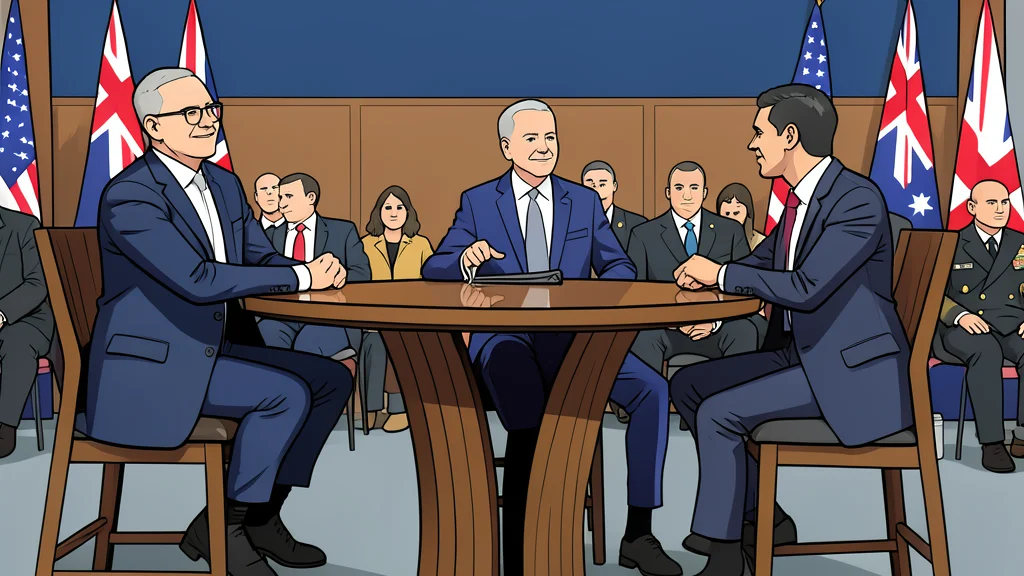
High-level diplomacy continues to advance even as field-level tensions persist. During the BRICS Summit in New Delhi, Prime Minister Narendra Modi and President Xi Jinping met for the first time in seven years. Both leaders expressed satisfaction with steady progress in bilateral relations, with China emphasizing the normalization of ties without preconditions, while India reiterated that peace in border areas is the essential basis for such development.
The two nations recently held their first corps commander-level talks in the eastern sector, following the 25th round of Special Representative talks in Beijing. These engagements are part of a broader mechanism designed to manage disputes and prevent accidental escalation. The upcoming weeks will likely see continued dialogue, but the credibility of these talks will be tested by the resolution of specific ground-level incidents in Arunachal Pradesh.