Trump Claims Energy Ceasefire Deal, Kyiv Seeks Verification
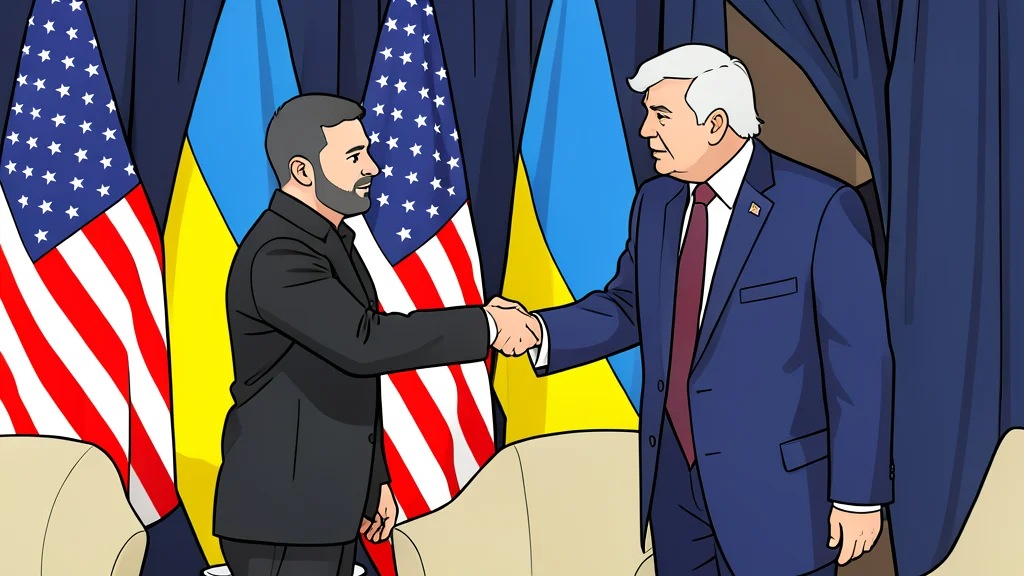
President Trump announced a mutual halt to strikes on energy infrastructure, a claim that remains unconfirmed by either Moscow or Kyiv.
U.S. President Donald Trump stated on September 14 that Ukraine and Russia have reached an agreement to cease attacks on energy targets. In a post on Truth Social, he asserted that both sides have agreed to this measure, claiming it is a response to rising global diesel prices. He further noted that the conflict, rather than issues in the Middle East, is the primary driver of these economic shifts.
However, neither the Ukrainian nor the Russian government has confirmed the existence of such a deal. Hours after the announcement, President Volodymyr Zelensky expressed uncertainty regarding Moscow’s commitment to any such arrangement. While expressing openness to a de-escalation step, he emphasized that Ukraine is waiting for specific details from its partners to ensure Russia’s genuine intent to stop striking critical infrastructure.
Kyiv Cautiously Weighs Verification
According to a top Ukrainian energy official speaking to the Kyiv Independent on condition of anonymity, officials had not previously heard of any such energy ceasefire. This lack of internal awareness contrasts with Trump’s confident declaration. Zelensky, writing on Telegram, stated that if partners can ensure Russia’s real desire to halt attacks on electricity and food movement, Ukraine is ready to reciprocate with an absence of its own strikes.
The Ukrainian president framed the potential halt as a preliminary step toward ending the war. He indicated that a de-escalation regarding critical infrastructure could serve as the first move toward peace. The response highlights a diplomatic gap between the White House’s narrative and the verified positions of the belligerent parties.
Global Fuel Prices Drive Diplomatic Pressure
The announcement follows a day of direct criticism from Trump, who blamed Zelensky for soaring diesel prices, including the record high of $6.23 per gallon in the United States. Trump argued that Ukraine should continue targeting other military assets but refrain from striking diesel fuel facilities. He maintained that the current shortages are not caused by the Middle East, despite significant disruptions to refining capacity in the region.
Ukraine has continued to target Russian oil infrastructure to disrupt fuel supplies and reduce the revenues Moscow uses to finance its war. This campaign has intensified over the past year due to advancements in long-range drone technology. For Kyiv, this remains a crucial lever of offensive pressure, making any potential truce a significant strategic concession.
Upcoming Talks Face Stalled Negotiations
This is not the first time an energy truce has been proposed. The idea was raised during summer peace talks mediated by the U.S. administration, which have so far yielded no permanent settlement. On September 13, Zelensky announced plans to discuss halting strikes on energy and Black Sea infrastructure during a potential meeting with Trump in New York.
The meeting may occur during the U.N. General Assembly if schedules align. However, broader peace efforts remain stalled over Russia’s territorial demands. Kremlin spokesperson Dmitry Peskov recently stated that Kyiv is seeking a truce in areas that are Ukraine’s vulnerabilities rather than offering a settlement that aligns with Russian interests. The coming days will reveal whether these diplomatic efforts translate into verifiable actions on the ground.