Morocco Voters Skeptical of Campaign Promises Ahead of Vote
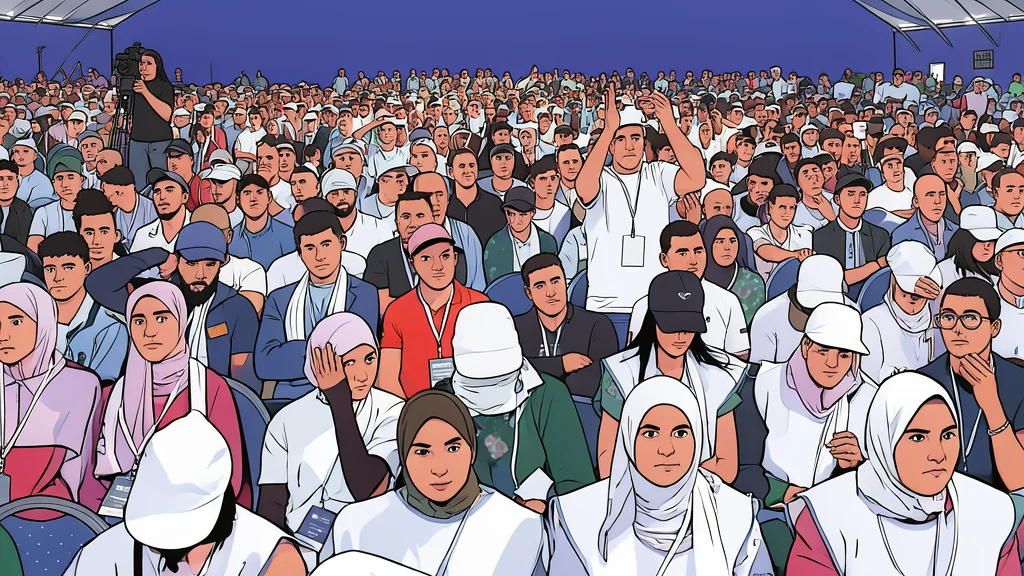
With youth unemployment high, Moroccan voters express doubt about political pledges before the September 23 legislative election.
Key points
- Approximately 15.8 million voters will select from 7,288 candidates for 395 legislative seats on September 23.
- Youth unemployment stands at 37 percent for those aged 15 to 24, significantly higher than the national average of 13 percent.
- Voters express skepticism toward political parties, citing broken promises and a lack of accountability for public funds.
Morocco enters its final days of legislative campaigning amid a palpable sense of voter disillusionment. As the nation prepares to cast ballots on September 23, many citizens remain unconvinced by the reform pledges made over the past two weeks. According to Africanews, this skepticism reflects a broader fatigue with political rhetoric that has not translated into tangible improvements in daily life.
Approximately 15.8 million registered voters are set to choose between 7,288 candidates from 27 parties for the 395 seats in the Chamber of Deputies. Despite the scale of the contest, public confidence in the political class appears to be at a low ebb. The election takes place against a backdrop of recent social unrest and significant demographic challenges that have intensified scrutiny of the government’s track record.
Citizens question political credibility
On the ground, the mood is marked by a deep sense of distrust. Youssef Guennoun, a florist in the capital, voiced a sentiment shared by many: that elected officials do not prioritize the needs of ordinary citizens. He argued that major national projects are driven by the King rather than by the political parties, who he believes focus on state funding rather than public service.
Guennoun suggested stricter accountability measures, proposing that parties failing to win a minimum number of seats should be disbanded. According to him, this would prevent entities from draining state resources without delivering credible results. This view highlights a growing demand for a political system that is more responsive and less reliant on patronage networks.
Youth unemployment drives discontent
The skepticism is closely tied to economic realities, particularly for young people. Official data indicates that youth unemployment among those aged 15 to 24 reached 37 percent in 2025, a figure that far exceeds the overall national rate of 13 percent. This stark disparity has fueled recent protests and a significant wave of migration, with tens of thousands of young Moroccans attempting to cross into the Spanish enclave of Ceuta in search of better opportunities.
Despite constituting roughly 12 percent of the population, the 18-to-24 age group makes up only 4 percent of the registered voter base. This disconnect suggests that the electoral system may not fully capture the aspirations of the country’s youngest and most restive demographic. The recent exodus to Ceuta serves as a visceral reminder of the consequences when domestic economic prospects appear limited.
Experts urge strategic recalibration
Political analysts suggest that the current approach is no longer sufficient for a changing society. Mohammed Benhamou, chairman of the Moroccan Institute for Strategic Studies, emphasized that political parties must evolve their culture and methods. He noted that there is an urgent need not only to conceive new strategies but also to effectively implement existing ones to address the evolving needs of the population.
Benhamou argued that political elites must recognize their role as key players in public life who are accountable to a society in transition. The coming weeks will test whether political actors can bridge the gap between campaign promises and the tangible execution of policies. The outcome of the election will likely serve as a referendum on this ability to adapt.