Germany's Gas Storage Sits at 57% as Winter Approaches
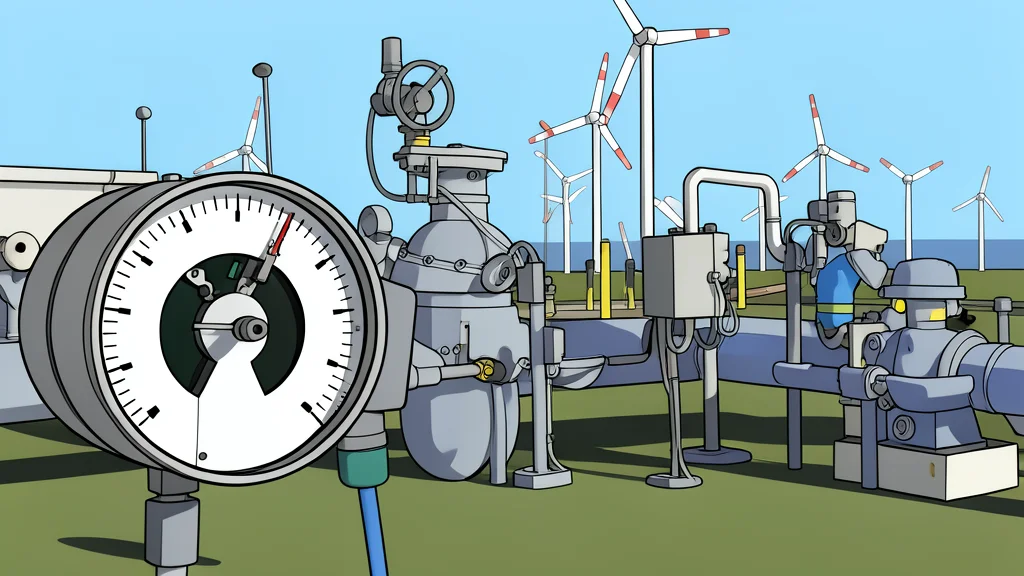
German gas reserves are below historical averages, prompting political debate despite official assurances that supply security remains stable.
Key points
- German gas storage holds 141 TWh, or 57% of capacity, which is lower than recent historical averages.
- Federal officials and industry experts assert that supply is secure due to diversified imports and long-term contracts.
- Gas prices have risen from €46 to over €80 per megawatt-hour, reflecting seasonal demand and market caution.
Germany’s natural gas storage facilities currently hold approximately 141 terawatt-hours, representing about 57% of total capacity as of mid-September. While this volume is sufficient to cover recent winter withdrawals, it remains notably lower than levels seen in previous years, raising questions about the robustness of the energy system heading into the colder months.
The situation has sparked political friction. Bavarian Premier Markus Söder has called for federal intervention, while opposition leaders have accused the government of negligence. Despite these concerns, federal officials maintain that the supply situation is stable and that no immediate risk of shortage exists, pointing to diversified import routes and robust infrastructure.
Political Concerns Over Reserve Levels
Critics argue that the current fill rate is insufficient for a potentially cold winter. Britta Hasselmann, co-leader of the Greens’ parliamentary group, stated that the facilities are not full and warned of a potential shortage. These remarks have heightened public anxiety, even though the Federal Network Agency attributes the low levels to seasonal trends rather than systemic failure.
Official Assurances and Expert Views
Authorities cite long-term contracts and diversified supply chains as key stabilizers. According to Deutsche Welle, industry spokespersons note that companies with secured contracts are guaranteed their volumes. Nadia Affani, a spokesperson for the Federal Network Agency, emphasized that security of supply is currently guaranteed and assessed the risk of a crunch as low.
However, some experts remain cautious. Sebastian Heinermann of INES noted that reaching the technical maximum of 77% fill would require an unprecedented rate of injection. He warned that if current trends continue, storage levels may only reach about 65% by November, which could limit flexibility during peak demand periods.
Market Prices Reflect Seasonal Tension
Economic indicators show rising tension in the energy market. Gas prices on the futures market have climbed from approximately €46 per megawatt-hour in the second quarter to over €80 recently. Analysts suggest that while there is no immediate supply failure, a colder winter or import disruptions could further drive prices higher.
The forward question centers on whether infrastructure investments in LNG terminals and reverse-flow capabilities will be sufficient to buffer against external shocks. Observers will closely monitor import flows and storage fill rates in the coming weeks to gauge the resilience of Germany’s energy supply ahead of winter.