Pakistani Minister Visits Tehran as US-Iran Tensions Escalate

Pakistan and Qatar are intensifying diplomatic efforts to bridge the gap between Tehran and Washington amid rising regional security concerns.
Key points
- Pakistani Interior Minister Mohsin Naqvi met with Iranian President Masoud Pezeshkian in Tehran, his sixth visit since the conflict began.
- Qatar and Pakistan are coordinating efforts to mediate a dialogue between Iran and the United States amid rising tensions.
- Iran’s security chief stated that Tehran has presented new conditions to restart talks, awaiting a response from the US government.
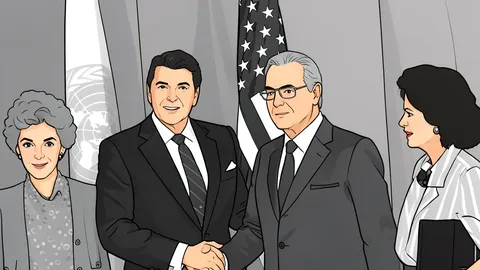
Iranian President Masoud Pezeshkian met with Pakistani Interior Minister Mohsin Naqvi in Tehran on Monday, marking the sixth such visit since regional hostilities began in February. According to Al Jazeera English, the meeting occurred one day after Tehran reported intelligence suggesting the United States was planning new strikes on Iranian territory.
The dialogue comes as both Islamabad and Doha seek to revive diplomatic channels between Washington and Tehran. During the talks, Pezeshkian expressed a desire for stronger bilateral ties, noting that recent US actions have encouraged greater convergence among Islamic nations. Naqvi reciprocated by describing the current state of Iran-Pakistan relations as the highest in history.
Regional mediation efforts intensify
Separately, Iranian Foreign Minister Abbas Araghchi arrived in New York for the United Nations General Assembly, making a brief stop in Doha to discuss regional developments with Qatari officials. A spokesperson for Qatar’s Ministry of Foreign Affairs stated that Doha is actively working to facilitate a dialogue path between Tehran and Washington, even if it results only in a short-term agreement.
While Pezeshkian is expected to address the UN General Assembly and meet with various world leaders, the US granted visas to him and Araghchi but imposed restrictions on the rest of the Iranian delegation. These diplomatic moves coincide with US President Donald Trump’s recent remarks, in which he weighed options ranging from military action to economic pressure or a negotiated deal with Iran.
Security concerns persist in the region
Despite diplomatic overtures, security tensions remain high. Iran’s top security official, Mohsen Rezaei, told Al Jazeera that Tehran has presented the Trump administration with new conditions to restart talks after a previous memorandum failed to end the conflict or reopen the Strait of Hormuz. Tehran is currently awaiting a response from Washington.
The United Kingdom Maritime Trade Operations agency reported attacks on two tankers in the Strait of Hormuz on Monday. Iran has targeted vessels attempting to transit the waterway without authorization or using unapproved shipping lanes, highlighting the continued friction over maritime security in the region.
Diplomacy and security remain intertwined
The next phase of this crisis will likely hinge on whether the new conditions presented by Tehran are accepted by the US administration. Observers will watch closely for any response from Washington regarding the proposed terms for restarting negotiations, as well as further developments in maritime security within the Strait of Hormuz.