Nigeria Fuel Prices Hit Record Highs Ahead of 2027 Vote
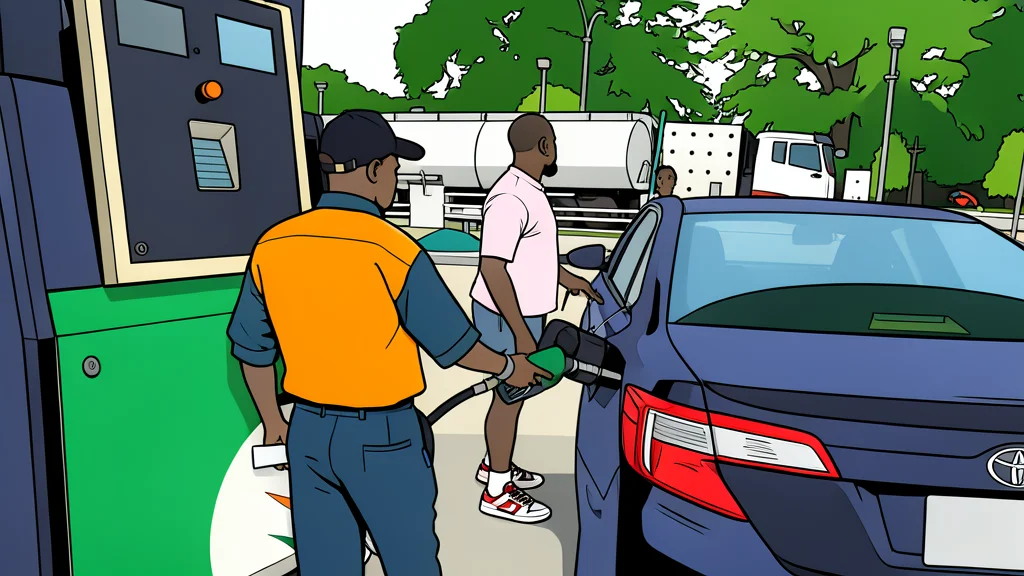
Record fuel costs in Lagos and Abuja strain household budgets as Nigeria faces rising inflation and political scrutiny ahead of the January election.
Key points
- Petrol prices in Lagos and Abuja rose to 1,400 naira per litre, up from 1,200 naira a month earlier.
- The Dangote refinery raised its wholesale gantry price to 1,350 naira per litre due to higher crude costs.
- Fuel costs are a central issue in the political debate ahead of the January 2027 general election.
Nigeria’s fuel prices have reached record levels, intensifying cost-of-living pressures for President Bola Tinubu’s government just months before the general election. The surge comes despite the Dangote refinery operating at full capacity, highlighting the difficulty of insulating domestic markets from global oil shocks.
In Lagos and Abuja, petrol now costs approximately 1,400 naira per litre, up from 1,200 naira a month earlier, according to Reuters checks. In northern regions, prices have climbed even higher, with some stations charging 1,500 naira, while diesel exceeds 2,000 naira per litre.
Domestic refining limits on global shocks
The price increase followed the Dangote refinery’s decision to raise its wholesale gantry price to 1,350 naira per litre. This adjustment reflects higher crude oil costs and the continued exposure of Nigerian fuel prices to international market fluctuations, even with Africa’s largest refinery running at 700,000 barrels per day.
According to CNBC Africa, the refinery’s owner, Aliko Dangote, has begun selling shares to the public to fund expansion. While the offer has attracted significant investor interest, consumers face immediate financial strain, with truck drivers reporting that fuel costs consume a large portion of their daily earnings.
Economic reform meets political scrutiny
With elections scheduled for January 16, 2027, opposition politicians are using fuel prices as a key measure of the government’s economic record. The debate has reignited discussions over the removal of petrol subsidies, a reform praised by investors but criticized by labor groups for deepening poverty and eroding household purchasing power.
President Tinubu has stated there is no return to subsidies, arguing that the reform is necessary for long-term stability. However, analysts warn that sustained price increases raise the political stakes, requiring the government to demonstrate clear offsetting benefits to maintain public support.
Inflation trends and labor concerns
Fuel prices are expected to exert further pressure on inflation, which eased slightly to 15.39% in August from 15.43% in July. Food inflation remains higher at 19.57%, keeping overall living costs elevated. The Nigeria Labour Congress has called for wage support and more naira-denominated crude supply to the refinery to curb further price rises.