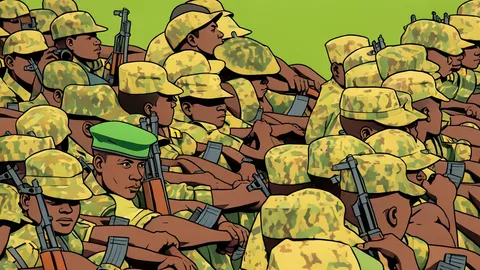
United Russia Secures Supermajority in State Duma Vote
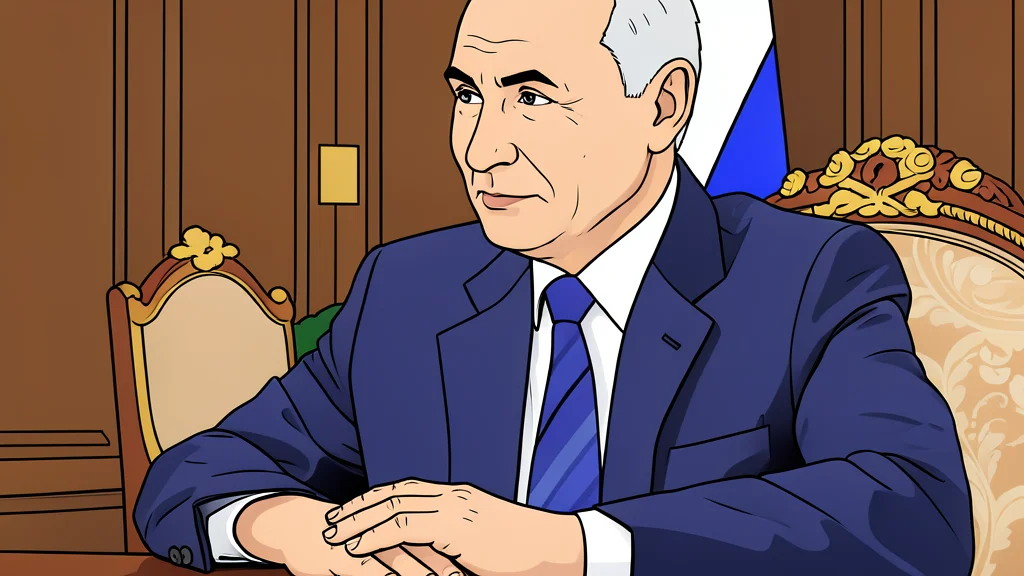
United Russia captured over 58% of the vote in Russia's parliamentary election, securing a record-breaking majority in the lower house.
Key points
- United Russia won over 58 percent of the vote, securing more than three-quarters of State Duma seats.
- Yabloko, the only registered anti-war party, was barred from the national ballot and won no Duma seats.
- OSCE observers were excluded from the election, drawing criticism from the EU and other international bodies.
United Russia has secured a record supermajority in the Russian State Duma following the completion of parliamentary elections. According to near-complete official results released on Monday, the party led by President Vladimir Putin captured over 58 percent of the vote. This result positions United Russia to hold more than three-quarters of the seats in the lower house, marking a significant consolidation of power for the ruling party.
The vote was the first parliamentary election held since the invasion of Ukraine in 2022. It also included residents of four Ukrainian regions that were annexed by Moscow. Al Jazeera English reported that the high turnout, which reached nearly 60 percent, is likely to be interpreted by Moscow as a sign of public support for the continuation of the war. However, independent analysts suggest the results may not accurately reflect growing domestic dissatisfaction with the conflict.
Limited opposition presence in results
The electoral landscape was characterized by the absence of genuine opposition candidates. Ella Pamfilova, chair of the Central Electoral Commission, confirmed that Yabloko, the only registered anti-war party, did not win any seats at the national level. The party had been removed from the ballot by Russia’s Supreme Court just last month. Despite this, Yabloko managed to enter the regional parliament in Novgorod with approximately 12,000 votes.
Other parties fared differently in the fragmented opposition field. The Communist Party, which avoids direct criticism of Putin, secured 13.8 percent of the vote and 40 seats. The nationalist LDPR party won 25 seats, while the New People party obtained 20. Both Yabloko and the Communist Party alleged that many of their observers were turned away from polling stations, raising questions about the fairness of the count.
International observers excluded from process
Russia declined to invite monitors from the Organization for Security and Cooperation in Europe (OSCE). The Russian Foreign Ministry accused the body of applying double standards in its criticism of the country. Pere Joan Pons, president of the OSCE Parliamentary Assembly, stated that excluding observers violated Russia’s commitments as a member state. This decision has further isolated the electoral process from international verification.
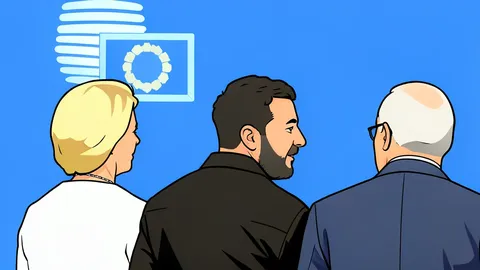
European Union diplomat Kaja Kallas dismissed the election as a sham, noting that the Kremlin silenced dissent and barred the only registered party that opposed the war. The exclusion of international monitors has led to widespread criticism from Western capitals, who view the results as a procedural formality rather than a legitimate democratic expression.
Public sentiment diverges from official narrative
Many residents in Moscow expressed that the outcome was unsurprising. Tatyana Stanovaya of the Carnegie Russia Eurasia Center noted that while the Kremlin interprets the results as support for the war, demand for ending the conflict is growing. She warned of potential consequences such as mobilization and harsher measures. A resident named Tatyana stated she hoped the conflict would end soon through peaceful methods, reflecting a sentiment that may contradict the official interpretation of the vote.
The supermajority in the Duma may limit the ability of the legislature to challenge executive policies. As the war continues to affect daily life, the gap between official political support and public fatigue remains a key dynamic. The next phase will likely focus on how the ruling party leverages its new mandate in legislative and foreign policy decisions.