Newsom Signs Three Bills to Shield California Elections from Federal Interference
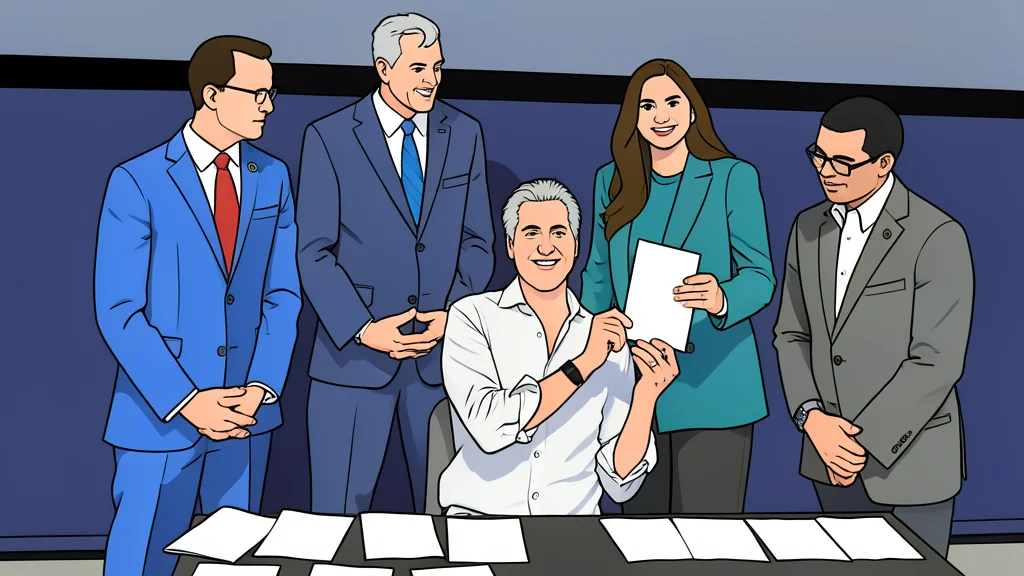
California has enacted new state laws to restrict federal enforcement near polling places and expand voter rights protections ahead of the midterms.
Key points
- Gov. Newsom signed bills banning law enforcement arrests near polling places on Election Day.
- New laws expand the buffer zone for electioneering restrictions from 100 to 200 feet.
- Legislation embeds federal voting rights protections into California state law for state court enforcement.
Governor Gavin Newsom has signed three pieces of legislation intended to insulate California’s electoral process from potential federal interference. The measures, reported by pressenterprise.com, were introduced by state senators in Southern California and focus on limiting law enforcement activities near polling stations on Election Day while embedding federal voting rights standards into state law.
The legislation comes amid heightened concerns over the integrity of the upcoming November midterms. Critics argue that recent federal actions and judicial decisions have weakened existing voter protections, particularly for communities of color. By codifying these safeguards at the state level, California aims to create a more robust legal framework that can be enforced through state courts rather than relying solely on federal jurisdictions.
Restrictions on Enforcement Activities
One of the signed bills, known as the Protect Our Polls Act, prohibits law enforcement officials from making arrests in and around polling places on Election Day. According to the office of Sen. Tom Umberg, the measure is designed to deter intimidation by limiting the presence of federal agents, including those from Immigration and Customs Enforcement, near voting sites. County election officials are granted the authority to keep polls open longer if such enforcement operations disrupt the voting process.
The law also expands the buffer zone where electioneering is banned, increasing the distance from 100 feet to 200 feet. This broader restriction covers activities such as displaying candidate materials, blocking access to ballot drop boxes, or questioning voters about their eligibility. Law enforcement officers are required to notify state officials if they suspect violations of these prohibitions, creating a new layer of oversight for election day security.
State Level Voting Rights Protections
Separate bills sponsored by Sen. Sabrina Cervantes respond to recent Supreme Court rulings that critics say have narrowed the scope of the federal Voting Rights Act. These measures enshrine federal voter safeguards into California state law, allowing voters to pursue remedies in state courts. This shift is significant because it provides an alternative legal pathway for enforcing voting rights, bypassing potential barriers in the federal system.
The legislation also targets political maps that are alleged to weaken the voting power of specific communities. Local governments with a recent history of voter discrimination would require state attorney general permission to implement certain changes. This approach aims to prevent the dilution of voting influence by requiring higher-level state oversight for jurisdictions with documented issues of discrimination.
Political Context and Reactions
Sponsors of the bills framed the legislation as a direct response to what they describe as federal attempts to disenfranchise voters. Sen. Umberg stated that the laws send a clear message that California will exercise its constitutional authority to run safe and secure elections. Newsom described the measures as part of a broader effort to protect the right to vote from interference, emphasizing the importance of free and fair elections for the state’s future.
The White House did not respond to requests for comment regarding the new state laws. The situation highlights a growing tension between state and federal authorities over the administration of elections. As the midterm elections approach, legal experts will be watching how these new state laws are implemented and whether they face challenges in court, potentially setting a precedent for other states seeking to protect their electoral processes.