Nigeria Pushes for Redundant Networks Ahead of 2027 Elections
Officials urge a shift from single-point connectivity to multi-layered systems to ensure stable data transmission during future polls.
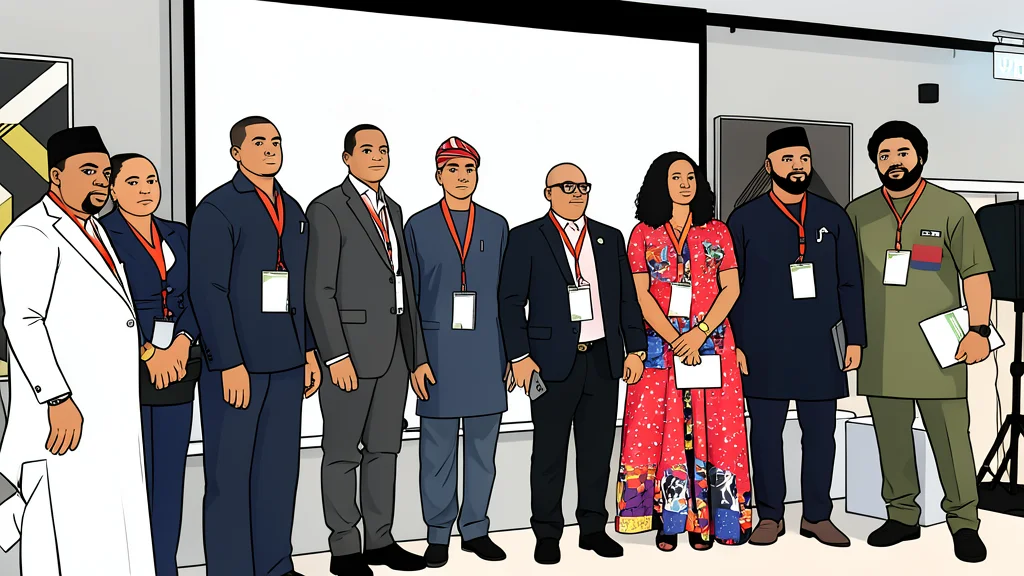
Nigeria is calling for a fundamental upgrade in its electoral technology infrastructure to prevent connectivity failures during the 2027 general elections. At the Nigeria eGovernment Summit 2026 held in Lagos, Eghosa Urhoghide, managing director of the Edo State Information and Communication Technology Agency (EdoICTA), argued that the country must move beyond relying on single-network connections. According to Urhoghide, current systems often depend on a single mobile provider, creating a vulnerability that can delay the transmission of critical voting data if that specific network experiences outages.
The proposal centers on implementing network redundancy, a design principle that allows multiple connectivity channels to operate simultaneously. This approach ensures that if one provider fails, another automatically takes over without interrupting the user experience. Urhoghide compared this to having two SIM cards in a single device, where one can serve as a backup for the other. By aggregating connections from different mobile networks and satellite services into a unified system, election officials aim to eliminate the excuse of poor network coverage as a reason for delays in collation centers.
Rethinking Infrastructure Resilience
The summit’s agenda highlighted broadband expansion, digital infrastructure, and the security of election systems as priority areas for state governments. Urhoghide emphasized that electoral technology should be designed to function even when individual components fail, rather than simply working when conditions are ideal. This shift in perspective marks a departure from previous approaches where technical limitations were often accepted as unavoidable obstacles. Instead, the focus is on building robust systems that can withstand disruptions and maintain data integrity throughout the voting process.
Beyond connectivity, the discussion extended to the technical standards governing the Bimodal Voter Accreditation System (BVAS) devices. Urhoghide pointed to the Nigerian Communications Commission’s type-approval process, which evaluates equipment for encryption, usability, and suitability for the local operating environment. Ensuring that these devices meet rigorous technical standards is seen as a critical step in reducing the likelihood of equipment-related failures during high-stress election periods.
State Roles in Digital Enablement
While the federal government oversees election management, state authorities play a vital role in creating an enabling environment for telecom operators. Urhoghide noted that states like Edo are working to facilitate faster and more cost-effective deployment of infrastructure by resolving community challenges and streamlining access to physical assets. This includes helping operators navigate local obstacles that can delay repairs to fiber networks and other telecommunications assets, thereby strengthening the overall resilience of the digital backbone.
This push for stronger digital infrastructure aligns with broader efforts by the Edo State Government to enhance public service delivery through technology. Under Governor Monday Okpebholo, the administration has prioritized digital transformation, including training in artificial intelligence and the development of e-government platforms. These initiatives suggest a long-term strategy to prepare residents for the digital economy while ensuring that critical civic processes, such as elections, are supported by reliable and modern technological frameworks.
Forward Challenges for 2027
As Nigeria prepares for the 2027 polls, the focus remains on translating these recommendations into actionable policy. The success of the redundant network model will depend on coordination between regulatory bodies, telecom providers, and election officials. Observers will watch closely to see how effectively these multi-layered systems are integrated into polling units and collation centers. The ultimate goal is to ensure that connectivity issues do not compromise the transparency or timeliness of the electoral process, a standard that is increasingly becoming a requirement for public trust.