Sudan Faces Compounding Health Crisis Amid Ongoing Conflict
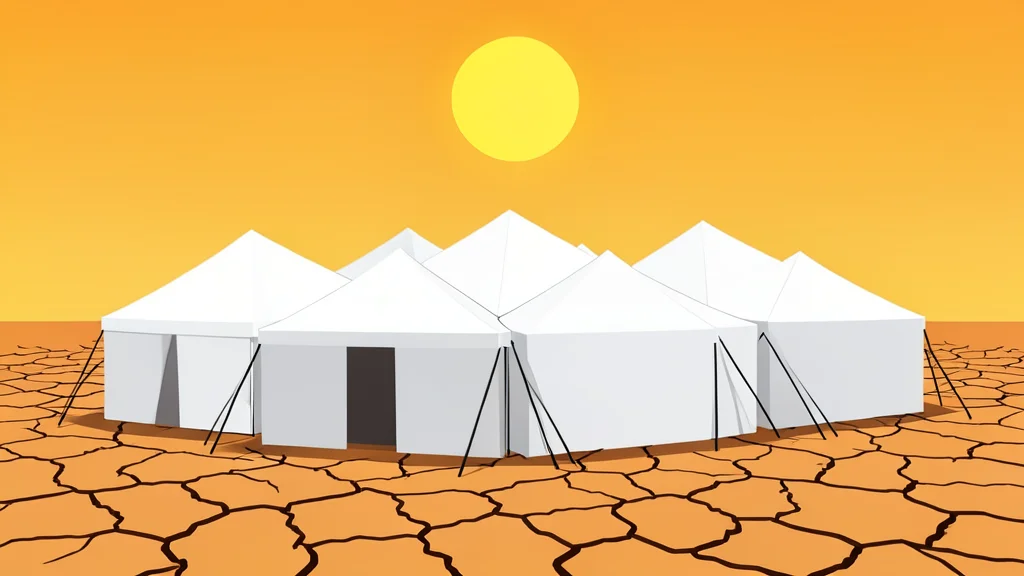
Sudan is currently navigating a severe public health emergency as multiple infectious diseases spread across regions where the medical system has been significantly weakened by years of armed conflict.
Sudan is currently navigating a severe public health emergency as multiple infectious diseases spread across regions where the medical system has been significantly weakened by years of armed conflict. The situation has become critical due to the simultaneous rise in cholera, dengue fever, and malaria, which are moving through communities that lack basic sanitation infrastructure.
According to reports from GN auto geopolitics/africa: Sudan conflict, the healthcare sector has suffered extensive damage since the conflict began more than three years ago. While government efforts to restore services continue, persistent shortages of essential medicines, medical supplies, and trained staff remain major obstacles to providing adequate care to the population.
Recent Disease Outbreaks Accelerate
A new wave of cholera began spreading in June across the Darfur and Kordofan regions. The World Health Organization has reported nearly 2,900 cases in this recent surge, resulting in 247 deaths. UN data indicates that repeated cholera outbreaks have claimed the lives of over 3,500 people in Sudan since July 2024, highlighting the persistent threat posed by the disease.
Concurrently, cases of dengue fever and malaria have surged in states such as Gezira and Blue Nile. Mustafa Jabrallah, the health minister for Blue Nile State, stated that over 680 dengue cases have been recorded recently in his region. He expressed concern about the rising numbers and called for immediate action from humanitarian aid organizations to provide necessary support.
Strain on Medical Infrastructure
The ongoing conflict has placed severe financial strain on Sudan’s medical system, leading to widespread shortages of supplies and personnel. Basic public health services, including waste collection, drainage maintenance, and environmental sanitation, have been severely disrupted. These disruptions have created conditions where clean drinking water is scarce, further increasing the risk of disease transmission among vulnerable populations.
Local residents describe the difficulty of accessing treatment. Jaffer Hassan, a resident of Blue Nile State, noted that treating dengue fever is extremely expensive and requires significant amounts of medicine and nutritional supplements. He observed that the severe shortage of these resources has left many people struggling desperately to manage their illnesses.
Response Efforts and Environmental Challenges
In response to the escalating situation, Sudan’s Ministry of Health has initiated cholera vaccination campaigns in Darfur and Kordofan. Humanitarian groups are also working to expand safe drinking water supplies and intensify sanitation efforts to curb the spread of waterborne and vector-borne diseases.
Despite these measures, environmental factors continue to complicate disease control. Heavy rains, high temperatures, and rising mosquito populations in various regions pose significant challenges. Looking ahead, the effectiveness of these interventions will depend on the ability to maintain supply chains and address the underlying infrastructure deficits caused by the prolonged conflict.