India and China Signal Diplomatic Warmth Ahead of BRICS Meeting
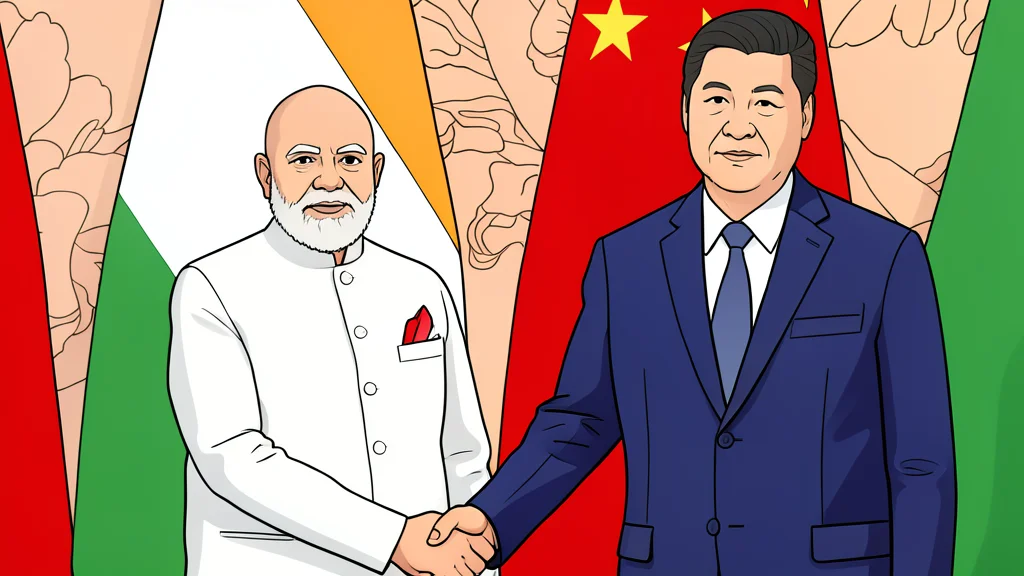
New Delhi is set to host a high-stakes encounter between the leaders of the world's two largest democracies and powers, marking a tentative shift in a relationship defined by recent friction.
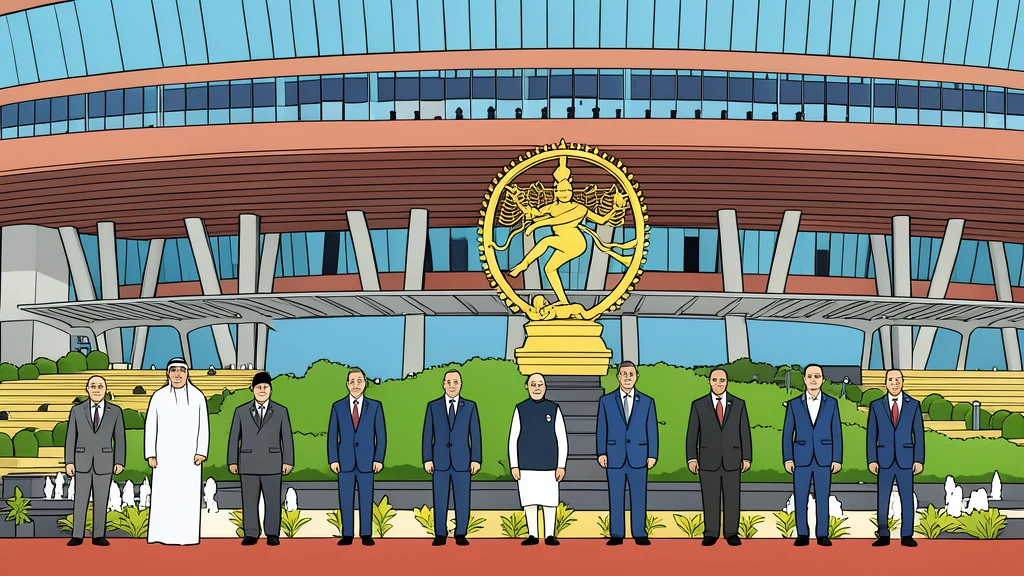
Diplomatic channels between New Delhi and Beijing are warming as the two nations prepare for a significant face-to-face meeting. Prime Minister Narendra Modi is scheduled to hold talks with President Xi Jinping on Saturday, occurring on the sidelines of the BRICS summit in India. According to GN geopolitics/border, this encounter represents Xi Jinping’s first visit to India in seven years, a notable milestone following a period of acute tension that began after the 2020 border clashes.
The relationship between the two nations has been characterized by a cautious de-escalation over the past two years. While the underlying geopolitical rivalries remain intact, both governments have prioritized stabilizing their bilateral ties. This shift follows a long period of restricted movement, economic sanctions, and military standoff that had severely impacted trade and diplomatic engagement since the deadly confrontation in the Galwan Valley.
Military Disengagement Reaches Completion
A critical component of this thawing process is the successful conclusion of military disengagement along the Line of Actual Control. After reaching an agreement in October 2024 to withdraw troops from disputed sectors, both sides completed the process by December of that year. This move effectively restored the pre-2020 military posture in the western Himalayas, allowing for a reduction in the immediate risk of accidental escalation that had persisted for years.
Despite this progress, the border remains a source of significant friction. Large numbers of troops continue to be deployed along the roughly 3,800-kilometer boundary, which is largely undemarcated. The dispute over the region of Arunachal Pradesh remains a core point of contention, with China maintaining its claim to the area while India firmly rejects such assertions. Mistrust has been further complicated by recent regional conflicts, where Chinese-made military hardware was utilized by other states in the vicinity, adding a layer of strategic caution to New Delhi’s calculations.
Trade Volumes Resurge Amidst Caution
Economic ties have shown a marked recovery, with China reasserting its position as India’s largest source of imports. Data indicates that India imported goods worth approximately 132 billion US dollars from China in the recent fiscal year, spanning over 100 product categories vital to Indian industry. To facilitate this flow, New Delhi has resumed direct passenger flights and begun easing restrictions on business visas for Chinese technical personnel and executives.
However, the normalization of trade is not without administrative hurdles. Industry officials report that visa processing delays and bureaucratic barriers for importing critical components continue to pose challenges. While some restrictions on Chinese equipment have been relaxed, New Delhi remains vigilant regarding investments in sectors deemed sensitive to national security, such as finance and defense, maintaining a cautious stance on Chinese capital inflows.
Looking Ahead to Broader Cooperation
The upcoming summit provides a platform for broader dialogue beyond bilateral issues, focusing on multilateral cooperation within the BRICS framework. Observers are watching closely to see if the momentum from the military disengagement can translate into deeper diplomatic trust. The success of these talks will likely depend on the ability of both sides to manage their differing strategic interests while maintaining a stable environment for continued economic exchange.
As the leaders convene, the international community will look for signals regarding the durability of this détente. Whether this marks a permanent reset or a temporary pause in the broader Great Power competition remains to be seen, but the immediate focus is on sustaining the fragile progress made in the border regions and trade corridors.