Nigeria's Civic Groups Urge Structural Reforms Ahead of 2027 Polls
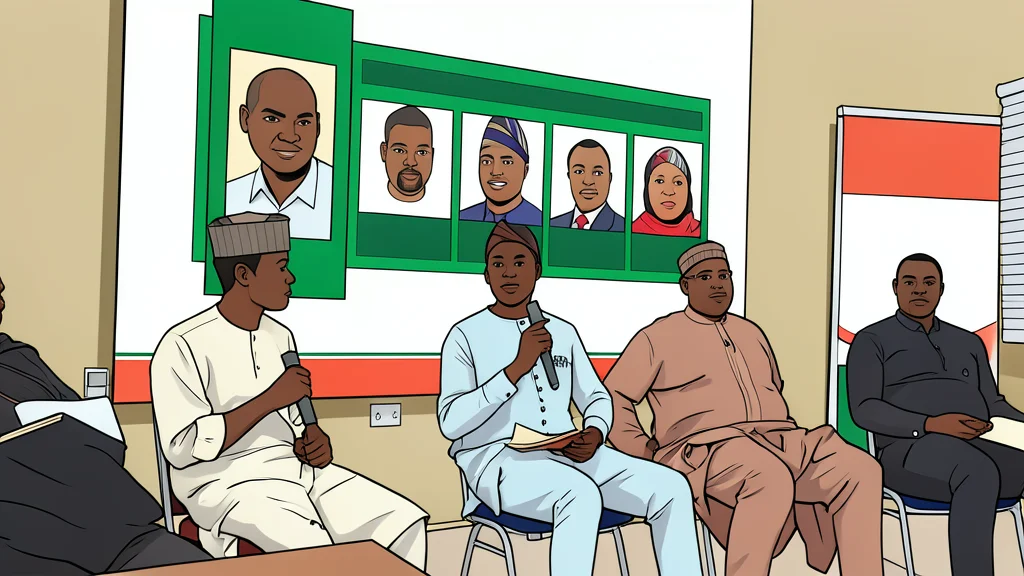
Civil society leaders in Abuja are calling for greater electoral independence and civic engagement to counter rising threats to Nigeria's democratic processes.
In Abuja, leading figures from human rights organizations and academic institutions have issued a joint call for structural reforms to safeguard Nigeria’s democratic institutions ahead of the 2027 general elections. The warnings center on the growing influence of disinformation, the shrinking of civic space, and the persistent threat of political violence. These concerns were articulated during a two-day workshop designed to strengthen the collaboration between media professionals and civil society organizations (CSOs) in promoting electoral integrity.
According to the Resource Centre for Human Rights and Civic Education (CHRICED), the current trajectory of public discourse is eroding trust in the democratic process. The organization’s executive director, Ibrahim M. Zikirullahi, emphasized that the integrity of upcoming elections is under significant pressure. He urged journalists and activists to maintain unity and report responsibly, arguing that a collaborative approach is essential to empower communities and protect the soul of the nation’s democracy.
Calls for electoral commission independence
Academic experts participating in the discussions have highlighted systemic vulnerabilities within the electoral management framework. Professor Kamilu Fagge, a lecturer in Political Science, argued that the Independent National Electoral Commission (INEC) and state electoral bodies require greater autonomy from the executive branch. He proposed that the appointment of electoral officials should be removed from executive control and handled through an independent process to ensure that personnel are credible and competent.
Fagge further suggested that electoral bodies need financial autonomy, advocating for a direct line charge for their funding rather than relying on executive budgetary allocations. He stressed the importance of professional staffing and regular training to build capacity. Additionally, he called on Nigerian elites to participate actively in the electoral process, noting that leadership cannot be left solely to the general populace without the engagement of influential community members.
Legal fragmentation and civic education gaps
Legal scholars have identified a lack of political and civic education as a critical barrier to electoral transparency. Abdulmumin Bala Ahmed, a law lecturer at Bayero University, Kano, noted that citizens often cannot fully benefit from existing legal protections because they do not understand the laws governing elections. He pointed to the fragmented nature of electoral legislation, where frequent changes to legal provisions make the system difficult to navigate, even for trained legal professionals.
Ahmed emphasized the need to strengthen checks and balances among the three arms of government. He warned that the concentration of power in the executive branch can hinder the legislature and judiciary from effectively carrying out their oversight responsibilities. While acknowledging that Nigeria has legal provisions capable of supporting a credible electoral system, he maintained that the primary challenge remains the effective implementation of these laws in practice.
Strategic focus for upcoming elections
The discussions, reported on by GN auto geopolitics/africa: Nigeria elections, underscore a growing consensus that technical and legal reforms must be accompanied by a broader civic mobilization. The participants agree that the media and civil society must act as a counterweight to disinformation and political intimidation. As the 2027 elections approach, the focus is shifting from mere observation to active participation, with an emphasis on educating the electorate and ensuring that electoral bodies operate with genuine independence.
Looking ahead, observers will watch for legislative changes that might address the financial and administrative autonomy of electoral commissions. The effectiveness of collaborative efforts between CSOs and media outlets will also be a key indicator of the health of Nigeria’s civic space. The central question remains whether these institutional and educational reforms can be implemented in time to restore public confidence in the electoral process.