BRICS Leaders Push for UN Security Council Expansion
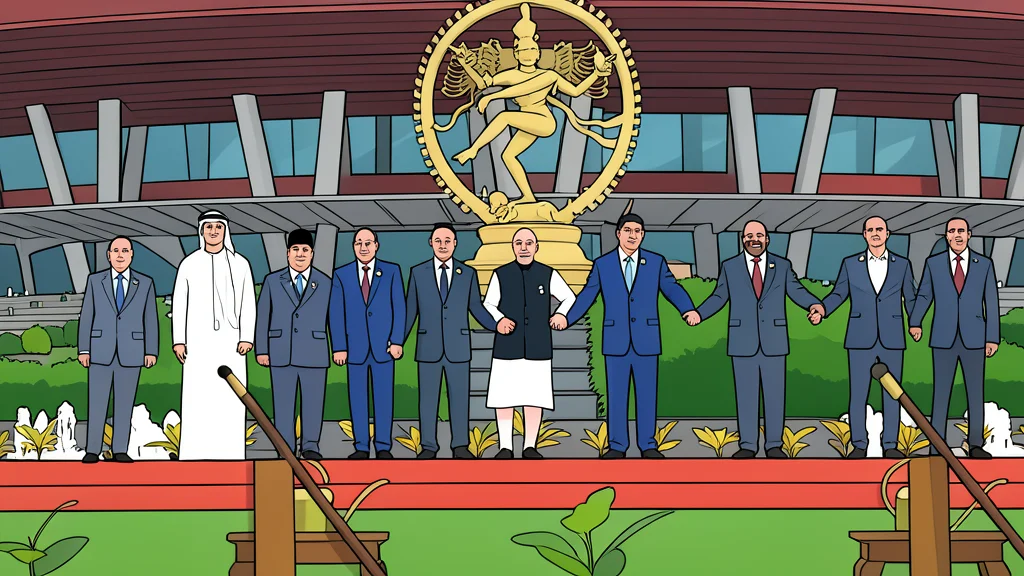
The expanded BRICS bloc has concluded its 18th summit in New Delhi, issuing a declaration that calls for fundamental reforms in global governance institutions and urgent resolutions to ongoing regional conflicts.
Leaders from the expanded BRICS grouping have formally adopted the New Delhi Declaration, marking the conclusion of their 18th summit in the Indian capital. According to the document, the bloc is demanding a comprehensive overhaul of the United Nations Security Council to better reflect contemporary geopolitical realities. The declaration, signed under the theme of resilience and sustainability, outlines a unified position on economic realignment and the resolution of escalating international conflicts. This gathering coincides with the twentieth anniversary of the group's founding and serves as a significant moment for the Global South to assert greater influence in multilateral forums.
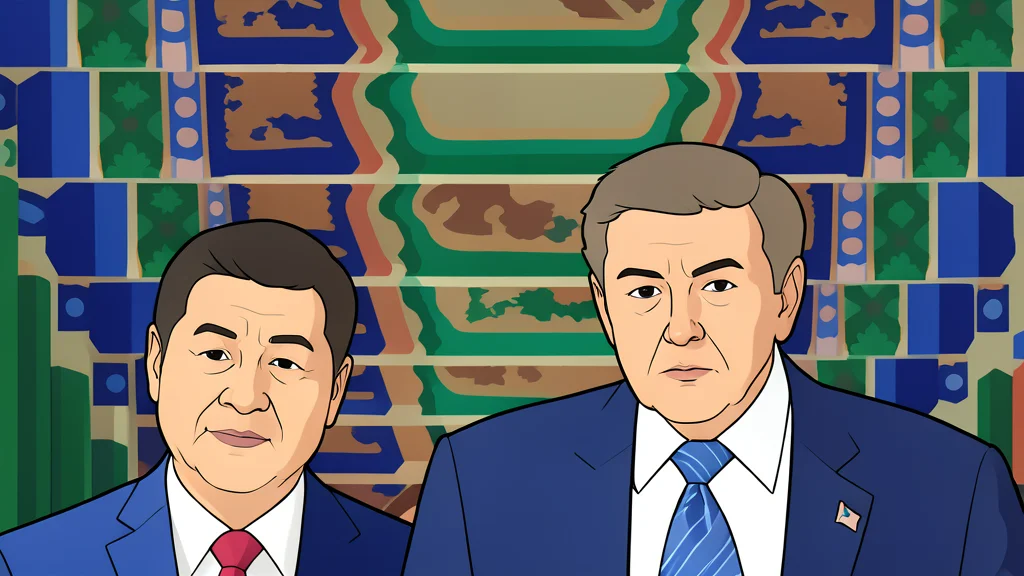
The central focus of the new declaration is an explicit call to restructure the UN Security Council. Member nations have urged an increase in representation for developing countries across Africa, Asia, and Latin America. China and Russia, both permanent members of the council, have formally backed the ambitions of Brazil and India to secure enhanced roles within the body. Additionally, the declaration addresses diplomatic gender disparities, noting that a woman has never served as UN Secretary-General and urging for transparent, merit-based leadership selection free from national monopolies.
Calls for Economic Institution Reform
Beyond political structures, the summit targeted the economic institutions established after World War II for reform. The declaration pressed for immediate structural adjustments to the International Monetary Fund and the World Bank Group. Leaders specifically urged a realignment of IMF quotas under the ongoing 17th General Review. This adjustment aims to better represent the rising output of Emerging Markets and Developing Economies while ensuring that safeguards remain intact for poorer nations. The group emphasized the need for an open, rules-based trading system to safeguard commerce against global volatility.
The bloc also expressed grave alarm over expanding military expenditures, nuclear proliferation risks, and the use of economic sanctions. BRICS representatives condemned what they described as unlawful unilateral coercive measures, warning of their severe consequences on global food security and fundamental human rights. The declaration highlighted the importance of maintaining stable economic conditions to support development goals in member states, particularly those heavily reliant on international trade and aid mechanisms.
Stance on Regional Conflicts
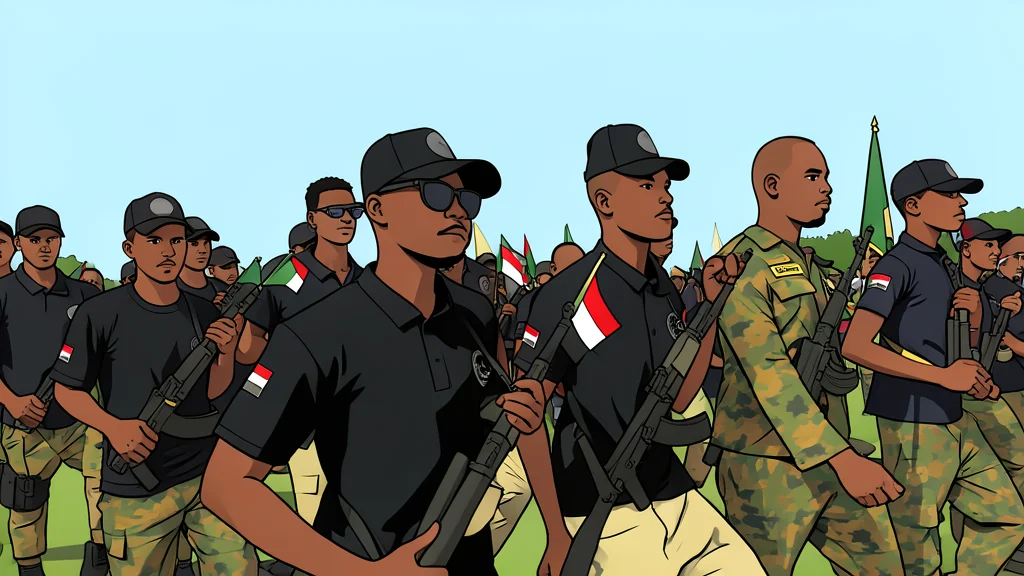
On the issue of Middle Eastern stability, the bloc demanded rigid adherence to active ceasefires and the protection of critical infrastructure. The declaration called for unhindered access for humanitarian aid into the Gaza Strip. Reaffirming commitment to a two-state solution along pre-1967 borders with East Jerusalem as Palestine's capital, the leaders firmly rejected any forced displacement of Palestinian residents. They also welcomed the ceasefire in Lebanon, demanding an immediate withdrawal of Israeli forces and condemning recent armed attacks that inflicted fatalities on Indonesian personnel serving under the United Nations Interim Force in Lebanon.
Regarding regional crises in Syria and Sudan, the coalition reaffirmed Syria’s sovereignty while advocating an inclusive political transition. For Sudan, leaders pressed for a permanent ceasefire alongside sustained relief operations under the framework of African solutions to African problems. The declaration also featured a firm condemnation of terrorism in all forms, highlighting the April 2025 attack in Jammu and Kashmir that claimed 26 lives. The group reiterated a stance of zero tolerance and called for the rapid adoption of the UN Comprehensive Convention on International Terrorism.
Future Global Governance Watchpoints
The forward question now centers on how major Western powers will respond to these coordinated demands from the BRICS bloc. According to GN geopolitics/un, the declaration signals a growing push to decouple global governance from post-war structures dominated by a few nations. Observers will watch for diplomatic reactions from the United States and the European Union, as well as potential shifts in voting patterns within the UN General Assembly. The next twelve months will be critical in determining whether these reform proposals gain traction or remain a statement of intent for the Global South.