UN Security Council Vote Confirms Iran Sanctions Revival
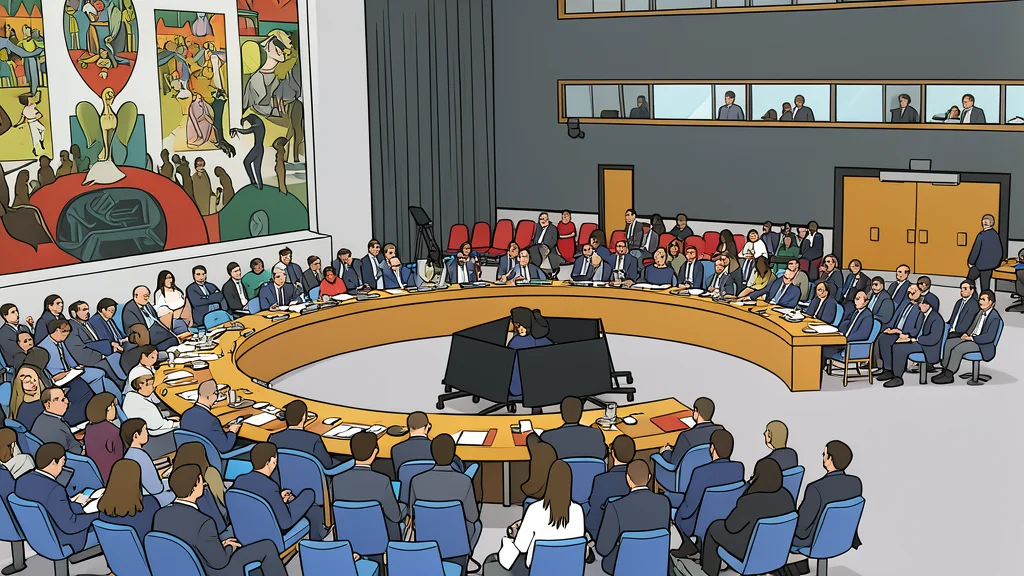
A procedural vote at the UN Security Council has settled a dispute over the legal status of Iran sanctions, with Western powers asserting the snapback mechanism remains active despite objections from Moscow and Beijing.
Diplomats from the five permanent members of the UN Security Council engaged in a sharp exchange over the legal standing of international sanctions against Iran. The confrontation centered on whether the automatic reimposition of penalties under the 2015 nuclear deal’s snapback provision remains valid. According to reports from GN geopolitics/un, the session highlighted a deepening divide among major powers regarding the procedural rules governing the council's authority.
The dispute ultimately led to a procedural vote, where the council moved forward with its agenda despite attempts by Russia and China to halt the proceedings. This outcome underscores the ongoing tension between Western interpretations of the nuclear agreement and the opposing views held by Moscow and Beijing, setting the stage for continued diplomatic friction in the coming months.
Legal Dispute Over Sanctions Mechanism
Representatives from Russia and China argued that the legal basis for the sanctions committee had effectively expired. According to the Russian delegation, the relevant Security Council resolution lapsed in late 2025, meaning the committee no longer exists to conduct its work. Beijing echoed these sentiments, warning against unilateral actions that it claimed deepened institutional divisions and hindered potential political settlements. Both nations insisted that the council presidency lacked the mandate to continue reporting under the previous framework.
Western Powers Assert Legal Continuity
In contrast, the United Kingdom, France, and the United States maintained that the sanctions regime was legally revived following specific breaches by Iran. The British representative stated that the European powers acted in full accordance with existing resolutions due to significant non-performance under the nuclear pact. The US diplomat reinforced this position, asserting that the committee remains operational and that independent verification bodies have confirmed Iran's non-compliance with safeguards agreements.
Procedural Vote Defies Veto Attempts
The council voted eleven to two to adopt the provisional agenda, with two abstentions. This result defeated the Russian and Chinese bid to block the briefing, as procedural matters cannot be halted by a permanent member’s veto. The vote demonstrates that while the permanent members remain divided on the substantive issues, the procedural rules allow the body to continue its work on the agenda. The outcome leaves the sanctions framework in place for the foreseeable future, despite ongoing diplomatic challenges.