Nigeria's Religious Leaders Urge Civic Engagement Ahead of 2027 Vote

Prominent Nigerian figures are urging citizens to treat voting as a civic duty rather than a tribal obligation, aiming to reshape the political landscape before the next general election.
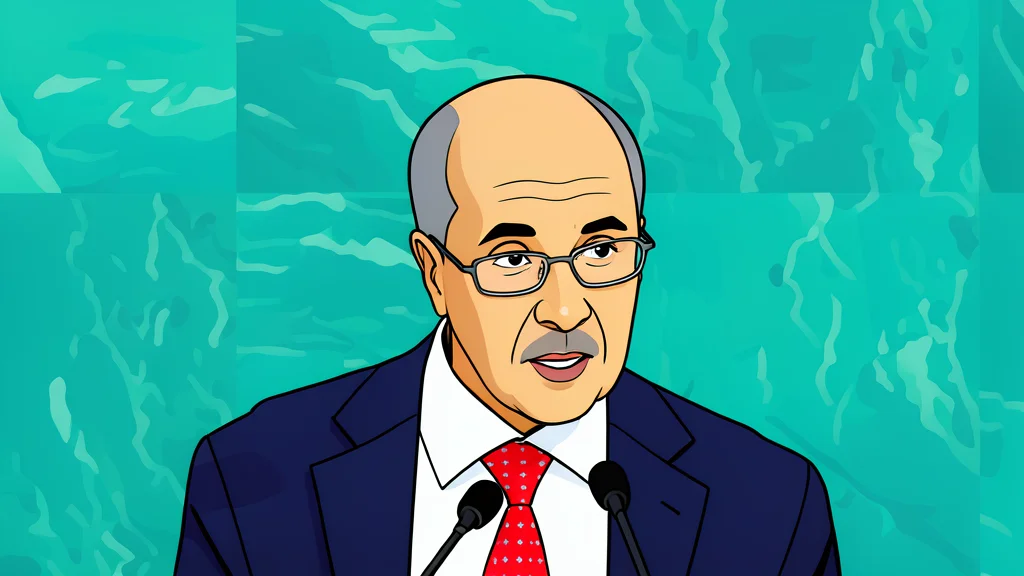
Former Ekiti State Governor Kayode Fayemi has called on Nigerians to prioritize active political participation ahead of the 2027 general elections. Speaking at a recent plenary session in Osun State, he urged citizens to move beyond ethnic or blind party loyalty and instead make informed choices based on candidate competence and programmatic commitments.
The appeal comes as the country grapples with persistent challenges of insecurity, poverty, and perceived corruption. Religious leaders and former officials are framing electoral engagement not merely as a right, but as a fundamental civic responsibility essential for restoring public trust in democratic institutions.
Faith and Civic Responsibility
Fayemi delivered his remarks during the 2026 Plenary of the Catholic Bishops’ Conference of Nigeria. According to the former governor, political power is a means to serve the common good rather than an end in itself. He cited recent teachings from Pope Leo XIV, which emphasize that political and economic choices must be shaped by a commitment to human dignity and social justice.
The former governor encouraged the laity to secure their Permanent Voter Cards, study candidate platforms, and hold elected representatives accountable. He argued that citizens have a duty to support those who best qualify for public office, rejecting the notion that political engagement is secondary to spiritual life.
Concerns Over Electoral Integrity
Archbishop Matthew Ndagoso, president of the Catholic Bishops’ Conference of Nigeria, described the call for participation as timely. He highlighted the urgent need for transparency and the rejection of electoral manipulation. According to the Archbishop, voters must understand the constitutional framework to effectively demand accountability from leaders.
Other church leaders echoed these sentiments. The Archbishop of Ibadan, Leke Abegunrin, called for competence and truthfulness among aspiring politicians. He urged leaders to place public service above personal ambition and to protect vulnerable citizens from the effects of corruption and injustice.
Countering Voter Apathy
Francis Ibimiluyi, president of the Ibadan Ecclesiastical Province Laity Council, warned that democratic governance is at risk if voter apathy continues. He identified vote buying, misinformation, and electoral violence as critical threats that could undermine the integrity of the 2027 polls.
The broader context suggests a growing effort to decouple political identity from religious or ethnic affiliations. As the election cycle approaches, these voices are pushing for a culture of issue-based campaigning and rigorous civic oversight. The coming months will likely see increased public discourse on voter education and the ethical obligations of both candidates and citizens.