Celtic Parties Seek Unified Front on Independence
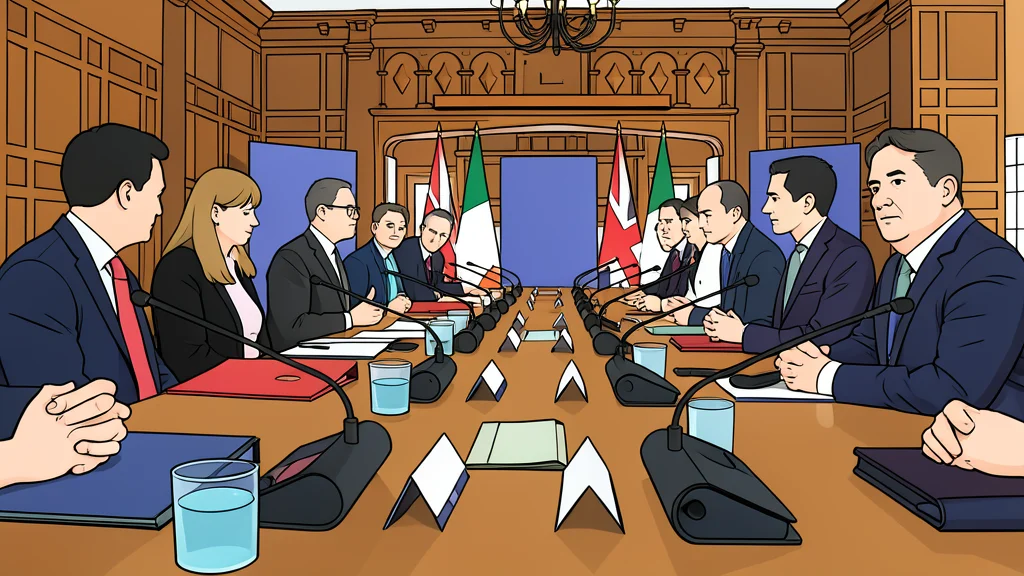
Leaders from Scotland, Wales, and Northern Ireland are set to sign a joint statement in Cardiff, signaling a coordinated approach to constitutional change despite conflicting signals from London.
Leaders of the Scottish National Party, Plaid Cymru, and Sinn Féin are scheduled to sign a memorandum of understanding in Cardiff this week. The agreement is designed to coordinate their efforts in seeking independence referendums for Scotland, Wales, and Northern Ireland. According to reports, the signatories will attend the summit as party leaders rather than in their official government capacities, a distinction that underscores the political rather than administrative nature of the gathering.
The move comes at a moment of heightened constitutional tension within the United Kingdom. While the new UK government has indicated openness to the idea of a Scottish independence vote under specific conditions, official channels have simultaneously reaffirmed that such a referendum remains prohibited. This divergence in messaging has intensified calls from nationalist parties to establish a clear, democratic pathway for determining the future of the constituent nations.
Coordinated Pressure on Westminster
The memorandum is expected to outline specific areas of cooperation among the three parties. According to Sinn Féin, the discussion will focus on the right of each nation to determine its own future through democratic means. The party emphasized that the Good Friday Agreement provides the existing framework for deciding Ireland's constitutional status. By aligning their positions, the parties aim to present a unified front that challenges the current centralized power structure in London.
Welsh First Minister Rhun ap Iorwerth stated that the leaders would identify common ground, particularly regarding their approach to the UK government and funding arrangements. This strategic alignment suggests a shift from isolated national campaigns to a broader Celtic cooperation model. Such a move could complicate negotiations with Westminster by forcing the government to address a collective demand for constitutional clarity rather than isolated grievances.
Conflicting Signals from London
Tensions in London have escalated following mixed messages from the government regarding Scotland’s status. Prime Minister Andy Burnham told the House of Commons that a second Scottish independence referendum could occur if there were a clear consensus. However, Downing Street quickly clarified in a letter to SNP leader John Swinney that a referendum remained off limits. This contradiction has fueled speculation about the internal political dynamics within the UK government and its willingness to engage with devolution issues.
In Scotland, Education Secretary Mairi McAllan reinforced the momentum for change by stating that an independence referendum was not off the table. Her comments add to the renewed debate over the issue, suggesting that the political landscape is shifting toward a more active pursuit of constitutional change. The upcoming summit in Cardiff serves as a critical test for whether these political promises will translate into tangible diplomatic actions.
Next Steps in Cardiff
The summit provides a platform for leaders to formalize their cooperative stance. Observers will watch closely for any specific commitments to joint lobbying efforts or shared policy platforms. The outcome of these discussions may set the tone for future constitutional debates across the UK. As the parties prepare to sign the agreement, the focus will remain on how effectively they can leverage their collective influence to pressure the central government.
According to the GN geopolitics/summit coverage, the next phase will involve monitoring the government's response to this coordinated approach. The ability of these parties to maintain unity while navigating distinct national contexts will be crucial. The coming weeks will likely see increased diplomatic activity as both sides prepare for a potential confrontation over the boundaries of sovereignty and self-determination within the United Kingdom.