Nigeria's Road to Credible Elections Depends on Media and INEC
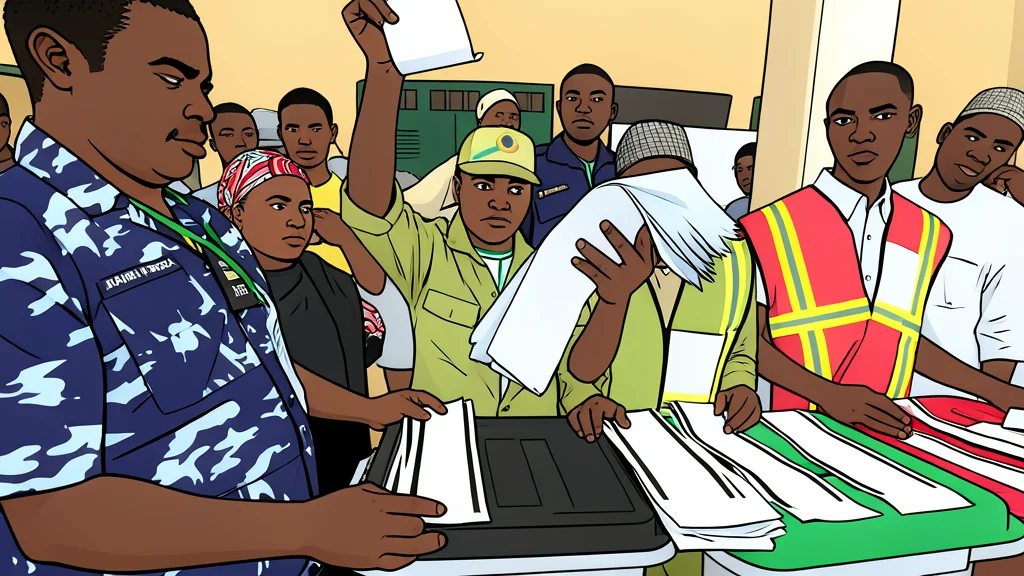
As the 2027 general elections approach, analysts are scrutinizing the critical roles of the press, the electoral commission, and the citizenry in restoring confidence to Nigeria's democratic process.
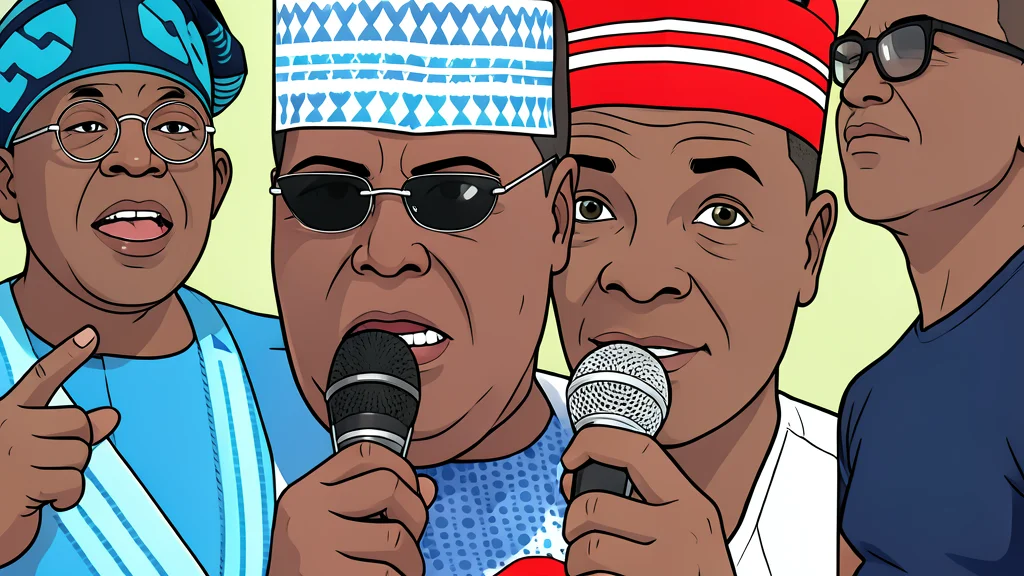
The upcoming 2027 general elections in Nigeria are being framed by a growing consensus that institutional integrity is the primary hurdle to overcome. According to recent political discourse, the path toward credible voting is not solely dependent on the electoral commission but requires a synchronized effort from the media and the electorate. This perspective suggests that the credibility of the outcome is a shared responsibility, contingent on how well these three pillars interact during the campaign and voting phases.
Scholars and commentators argue that the current political landscape is marked by a significant trust deficit. The state is often described as having lost its impartiality, a condition referred to as state capture, where executive power dominates other branches of government. This erosion of institutional autonomy is compounded by the presence of non-state actors controlling certain regions, which has intensified security challenges. These structural weaknesses create a backdrop in which the roles of the media and voters become even more critical in maintaining the integrity of the democratic framework.
Institutional Challenges and State Capture
The concept of state capture is central to the debate on electoral credibility. It refers to a situation where the components of the state lose their relative autonomy, preventing the government from acting as an impartial umpire. In this context, the executive arm is often perceived to override the checks and balances intended by the constitution. This dynamic blurs the lines between different branches of government, undermining the rule of law that is essential for fair elections.
Furthermore, the security environment poses a significant threat to the electoral process. The inability of state security agencies to fully control all regions has led to the rise of local vigilante groups. This shift in security dynamics creates a dilemma for the state and complicates the logistics of holding safe and accessible elections. The combination of political culture issues, such as elite closure and a lack of merit-based recruitment, further weakens the foundation upon which democratic institutions are built.
The Role of Media and Civic Participation
The media is viewed as a crucial intermediary in the democratic process, serving as a conduit for information, education, and public opinion formation. In the context of Nigerian elections, the press is expected to hold power accountable and inform the electorate. However, the effectiveness of this role depends on the independence and integrity of journalistic institutions. The convergence of print, broadcast, and digital platforms creates a complex ecosystem where the flow of information can either strengthen or undermine public trust in the electoral process.
Voters are increasingly seen as active participants rather than passive subjects in the political system. The shift toward greater civic engagement is essential for the success of liberal democracy, which relies on representatives being accountable to the community. This accountability is secured through free, fair, and competitive elections where citizens have the right to vote and stand for office. The quality of this participation is influenced by the level of political awareness and the ability of citizens to navigate the complexities of the electoral system.
Path Forward for Electoral Integrity
As Nigeria moves toward the 2027 elections, the focus is on how the interaction between the media, INEC, and voters can mitigate the existing structural challenges. The goal is to create an environment where the electoral process is perceived as legitimate and inclusive. This requires addressing the root causes of distrust, including the need for greater transparency in the election management process and a stronger commitment to the rule of law.
The forward-looking perspective emphasizes the importance of institutional reform and civic education. According to the analysis provided in the GN auto geopolitics/africa: Nigeria elections report, the path to credible elections is multifaceted. It involves not only the technical aspects of election management but also the broader political culture that shapes how democracy is practiced. The success of the 2027 elections will likely depend on the ability of these key actors to collaborate effectively and address the deep-seated issues that have plagued previous electoral cycles.