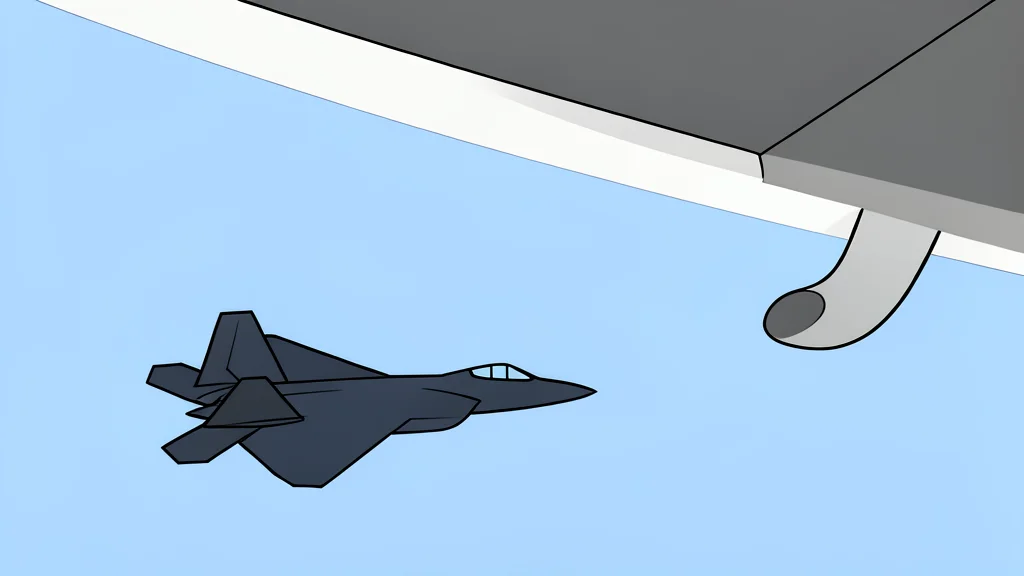
US Confirms First Deployment of Orbital Space Weapons
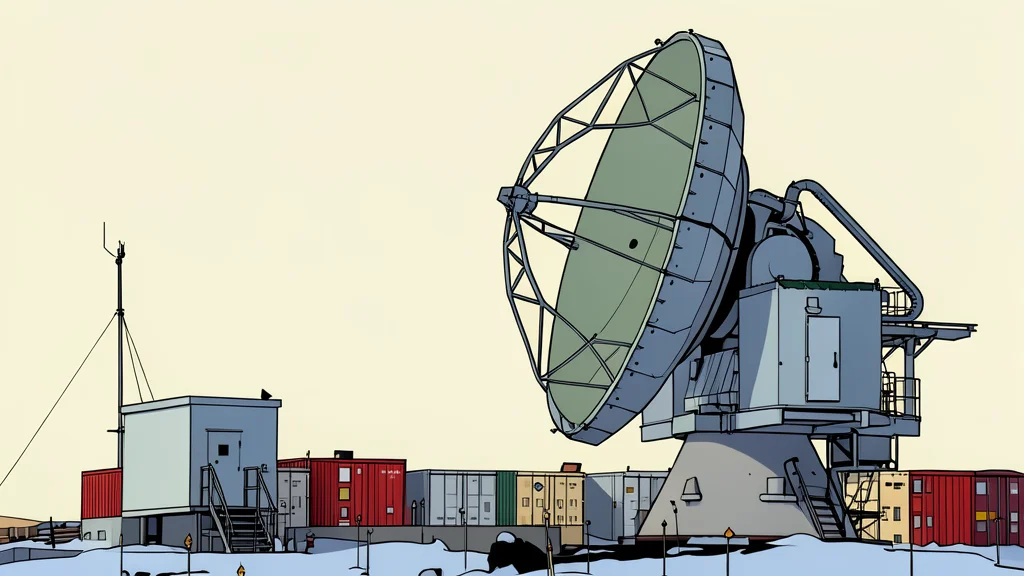
Washington has officially acknowledged the placement of offensive capabilities in orbit, marking a significant shift in strategic defense posture and raising questions about the future of the space domain.
The United States has acknowledged for the first time that it has deployed a weapon capable of operating in Earth's orbit. According to BBC World, this admission marks a departure from previous policy ambiguity regarding offensive capabilities in the space domain. US Secretary of the Air Force Troy Meink stated that such systems are essential for safeguarding American forces against hostile actions, signaling a move toward a more assertive military posture in outer space.
Meink made the remarks during the Air, Space and Cyber Conference, emphasizing that the nation must remain prepared for evolving threats. However, he did not provide specific details regarding the weapon's technical capabilities or the exact timeline for its deployment. This confirmation follows years of speculation and strategic planning by senior military leaders who have cited the need to counter growing Russian and Chinese programs designed to disrupt or destroy US satellites during potential conflicts.
Strategic Shift in Orbital Defense
The recent executive order issued by President Donald Trump underscores the dual role of the US Space Force, expanding its mandate beyond protection to include offensive operations. Established in 2019 as the newest branch of the US military, the Space Force was initially framed around the defense of critical assets. A spokesperson for the branch described 'space control' as encompassing both kinetic and non-kinetic means to disrupt, degrade, or destroy adversary capabilities, highlighting a broader strategic doctrine that views space as a contested warfighting domain.
This evolution aligns with the administration's broader 'Golden Dome' defense initiative, which integrates space-based capabilities with interceptor missiles to protect against airborne threats. The transition from a purely defensive stance to one that includes offensive countermeasures reflects a recognition that protecting satellite infrastructure requires the ability to neutralize threats before they can be executed. Military analysts note that this shift places the US in direct alignment with the strategic objectives of its primary rivals, who have long viewed space supremacy as decisive in future conflicts.
Historical Context of Space Arms
The 1967 Outer Space Treaty banned weapons of mass destruction from orbit, creating a legal framework that has largely governed international behavior in space. However, key powers including the US, Russia, and China have increasingly explored capabilities that fall outside this treaty's explicit prohibitions. These efforts often focus on anti-satellite technologies that can target rivals' probes, which are critical for military communications, surveillance, and navigation. The current confirmation suggests that the boundaries of acceptable military activity in space are being redrawn by major powers seeking strategic advantage.
Recent incidents have heightened tensions in this area. In early February, reports indicated that Russian satellites had intercepted communications from at least a dozen European satellites since 2022. Such actions raise concerns about data theft and potential remote control of critical infrastructure. Additionally, in 2024, the US identified a Russian satellite it believed was capable of attacking other satellites, a claim Russia did not publicly address. These developments underscore the growing complexity of the strategic environment and the difficulty of maintaining stability in a domain where visibility is limited and attribution is challenging.
Escalation Risks and Future Dynamics
The US Space Force asserts that China is developing space and counterspace capabilities as part of a military modernization strategy, while Russia views space as a critical warfighting domain. The US acknowledges that its own offensive deployments may provoke reciprocal actions from these nations, potentially leading to an arms race in orbit. The lack of transparency regarding the specific nature of the deployed weapon leaves room for misinterpretation and increases the risk of accidental conflict. As nations invest in both offensive and defensive systems, the strategic balance in space becomes increasingly precarious.
Looking ahead, the focus will likely shift to how other nations respond to this explicit US admission. Diplomatic channels may see increased activity as governments seek to clarify rules of engagement and prevent escalation. The coming months will be critical in determining whether this announcement leads to new international agreements or a further fragmentation of the legal and strategic framework governing space. Observers will watch for additional deployments, technical specifications, and diplomatic reactions from Beijing and Moscow to gauge the trajectory of this emerging domain of conflict.