Nigeria 2027: Opposition Faces Structural Hurdles
Analysts suggest the opposition's path to power depends on overcoming deep organizational flaws rather than relying solely on popular candidates.
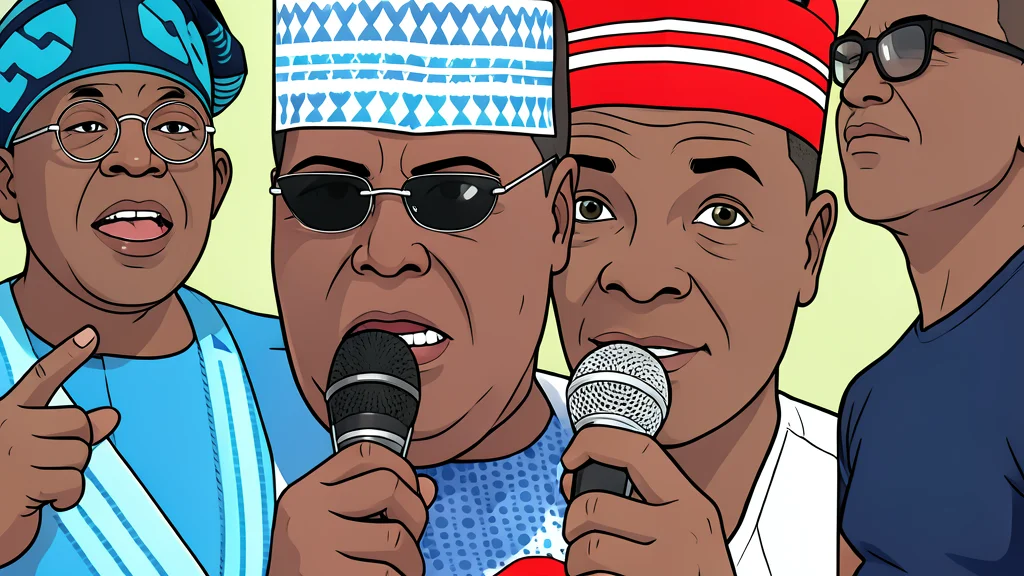
The political landscape in Nigeria is shifting as the 2027 general elections approach, with the opposition coalition attempting to consolidate its position against the ruling All Progressives Congress. According to reports from GN auto geopolitics/africa: Nigeria elections, the opposition possesses significant numerical strength and momentum, yet its success hinges on resolving internal fragmentation. The central challenge lies in whether leading figures can subordinate individual ambitions to select a unified presidential candidate capable of challenging President Bola Tinubu.
This consolidation effort is being driven by the G-100 platform, which is pushing for a single consensus candidate. Prominent contenders such as Atiku Abubakar of the African Democratic Congress and Peter Obi of the Nigeria Democratic Congress remain at the forefront of discussions. However, political observers note that the willingness of these leaders to step down for one another remains uncertain, creating a strategic bottleneck that could weaken the opposition's collective appeal.
Weak Grassroots Structures Persist
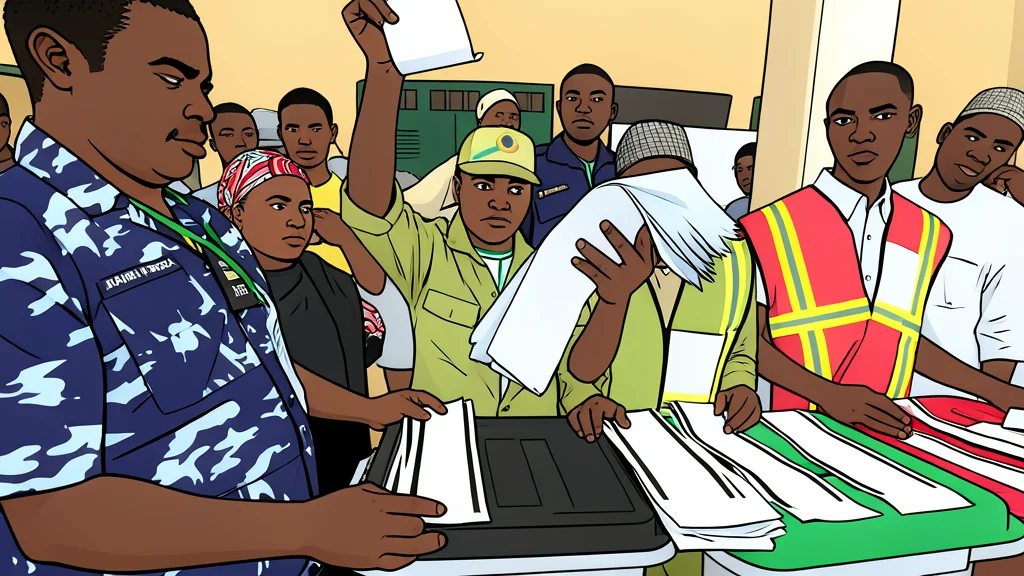
Beyond the presidential race, analysts highlight critical deficiencies in the opposition's organizational infrastructure. Several opposition parties have struggled to field candidates across all constituencies for the state Houses of Assembly, the House of Representatives, and the Senate. Experts argue that electoral victory requires functional structures at the polling unit level, including trained election-day agents and effective mechanisms for protecting votes, rather than relying solely on vocal campaigns and popular leaders.
Ruling Party Consolidates Alliances
Meanwhile, the ruling APC has continued to strengthen its internal structures and political alliances ahead of the 2027 polls. Parties such as the All Progressives Grand Alliance and Accord have already endorsed President Tinubu for re-election. However, analysts caution that these alliances may not automatically translate into massive vote shares. The opposition is advised to prioritize a credible consensus mechanism and develop practical economic blueprints that offer alternatives to the current administration's policies, rather than focusing exclusively on criticism.
Voter Accountability Demands Rise
Political discourse is increasingly framing the upcoming contest as a struggle between the Nigerian people and the government, rather than a simple partisan rivalry. Former Anambra Governor Peter Obi recently stated that voters would demand greater accountability and ensure the electoral process produces a legitimate outcome. This sentiment is shared by NDC leader Seriake Dickson, who warned that election results should be determined by the Independent National Electoral Commission rather than the judiciary, emphasizing the need for high standards in leadership and political conduct.