Ukraine and Poland Discuss Sanctions After Border Railway Strike
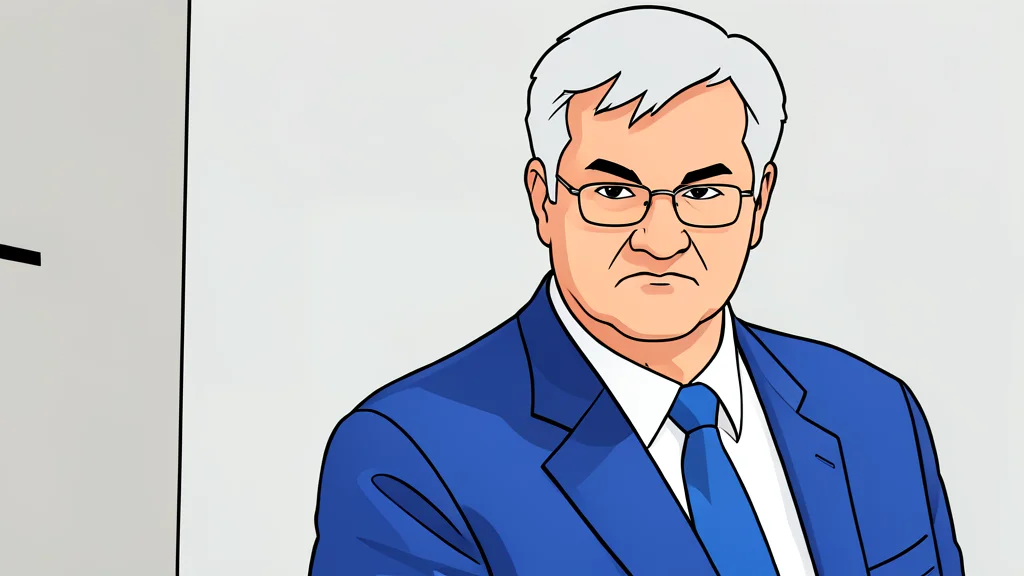
Ukrainian and Polish foreign ministers have called for intensified economic pressure on Moscow following a recent attack on infrastructure near the shared border.
Ukraine’s Foreign Minister Andrii Sybiha and Poland’s Foreign Minister Radosław Sikorski met to address the escalating security situation along their shared border. According to reports from UNN, the discussion centered on the recent Russian strike near the Yahodyn-Dorohusk crossing, a location just two kilometers from the Polish frontier. The incident, which targeted a passenger train locomotive without resulting in casualties, has heightened concerns about the proximity of hostilities to NATO and EU territories.
Sybiha characterized the event as a direct challenge to European security, arguing that partial measures are no longer sufficient to deter further aggression. He emphasized the need for a more robust response, including the immediate adoption of new sanctions packages after each significant attack. The ministers agreed that the current pace of economic pressure must be accelerated to reflect the increasing severity of the threats posed to regional stability.
Targeting Russian Drone Production
A central part of the diplomatic exchange focused on restricting Moscow’s ability to manufacture ballistic missiles and drones. Sybiha noted that Russia continues to utilize components from Western manufacturers in the production of these weapons systems. He stated that Ukraine has shared specific intelligence with European partners regarding these supply chains. The goal is to disrupt the technological flow that enables Russia to sustain its aerial and ballistic capabilities, thereby limiting its operational reach.
The Ukrainian official highlighted that while sanctions have had an impact, Russia has demonstrated an ability to circumvent existing restrictions. Consequently, both nations discussed the necessity of tightening controls on the export of dual-use technologies. By focusing on the specific materials required for missile and drone assembly, Kyiv and Warsaw aim to increase the cost of the war for Moscow and reduce its capacity to strike deep into Ukrainian territory.
Escalation Near the Western Border
The strike near the Yahodyn-Dorohusk crossing marks a significant shift in the geography of the conflict. According to Sybiha, the aggressor is now operating in close proximity to the borders of EU and NATO member states. This development has prompted a reassessment of defensive strategies and diplomatic messaging. The ministers underscored that such actions are not isolated incidents but part of a broader pattern designed to test the resolve of Western allies.
In response to this shifting dynamic, Sybiha argued that the international community must avoid waiting for large, slow-moving sanction packages. Instead, he proposed a model of rapid, targeted responses to each act of aggression. This approach aims to ensure that Moscow faces immediate economic consequences for actions that threaten the security architecture of Europe, reinforcing the message that further incursions will only lead to stricter isolation.
Next Steps for European Partners
As the diplomatic consultations conclude, the focus shifts to the implementation of these agreed-upon measures. European partners are expected to review the intelligence provided by Ukraine to identify specific gaps in current export control regimes. The forward-looking strategy involves coordinating with other EU states to draft new restrictions that specifically target the supply chains of unmanned aerial vehicles and ballistic missile components.
Observers will closely watch for the release of new trade restrictions in the coming weeks. The effectiveness of these measures will be judged by their ability to slow down Russia’s production of advanced weaponry. Meanwhile, military support for Ukraine is expected to remain a priority, with both nations committing to maintaining a high level of readiness along the border. The situation remains fluid, with security officials monitoring potential further incidents in the region.