NATO Official Warns of Shifting Strategic Timeline
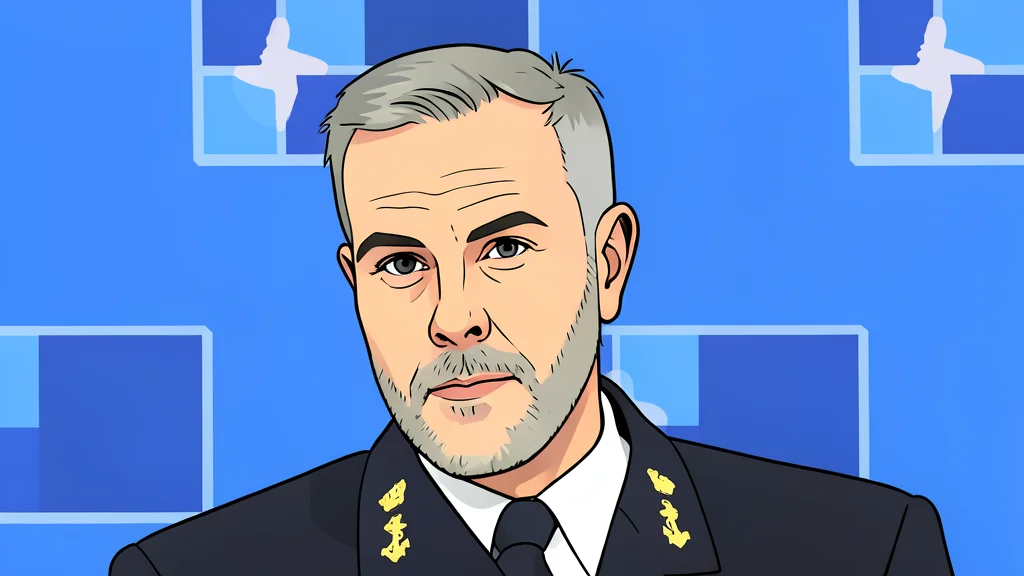
Former NATO Military Committee chair Rob Bauer argues that Russia may possess the capacity to challenge the alliance within three years, potentially using limited strikes to test political cohesion.
Former NATO Military Committee chair Rob Bauer has issued a stark assessment regarding the evolving security landscape in Europe. According to recent remarks published by GN geopolitics/nato, Bauer suggests that the probability of a conflict with Russia has surpassed the likelihood of peace, a significant shift from previous strategic calculations that assumed a longer window for military regeneration.
The former senior military officer argues that the traditional intelligence estimate—that Moscow would require three to five years after the end of its war in Ukraine to rebuild its forces—is no longer accurate. Instead, Bauer indicates that Russia is already generating the capacity to threaten NATO members while simultaneously sustaining operations in Ukraine, fundamentally altering the timeline for defensive preparation.
Industrial Capacity Outpaces Battlefield Needs
Bauer points to the efficiency of the Russian war economy as a primary driver of this shift. He notes that Moscow is producing weapons, ammunition, and drones at a rate that exceeds the requirements for the ongoing conflict in Ukraine. This surplus production suggests that significant resources are being diverted to other theaters, allowing for the simultaneous maintenance of frontlines and the reconstruction of strategic reserves.
Specific evidence of this diversion includes military activity near the Finnish border. Bauer observes that newly manufactured equipment, including tanks, is not being sent to Ukraine but is instead being stockpiled along NATO’s eastern flank. This buildup indicates a deliberate effort to restore offensive potential in regions adjacent to the alliance, rather than solely focusing on the Ukrainian front.
Testing Alliance Cohesion Through Limited Strikes
The strategic rationale for a potential Russian move, according to Bauer, may not involve a full-scale invasion but rather a limited attack designed to probe NATO’s political unity. Such an action could force member states to make difficult choices between continuing to supply Ukraine with arms and retaining those weapons for their own national defense. This pressure could expose fractures in the alliance’s commitment to collective security.
Bauer suggests this tactic becomes more plausible if Moscow views its position in Ukraine as increasingly unfavorable. By creating a distraction, Russia could aim to undermine the political will of Western governments to sustain the war effort in Ukraine. The objective would be to shift the focus of NATO members from supporting their ally to addressing their own immediate security concerns.
Strategic Vulnerability Remains Political
Despite these warnings, Bauer emphasizes that NATO retains a clear military advantage over Russia. The primary vulnerability identified is not a lack of hardware or firepower, but rather the potential for political fragmentation under stress. The alliance’s strength relies on unified decision-making, which could be challenged by a crisis that demands immediate national responses over collective commitments.
Looking ahead, the focus will likely shift toward how NATO nations manage their arms stockpiles and political coordination. Observers will watch for any further evidence of Russian force buildup near member state borders and how Western governments respond to the tension between supporting Ukraine and securing domestic defense needs. This dynamic will be central to the next phase of European security.