Nigeria Weighs Six Decades of Democratic Progress and Stagnation

Analysts in Abuja examine the evolving landscape of Nigerian elections, noting technical improvements alongside persistent structural challenges ahead of the 2027 polls.
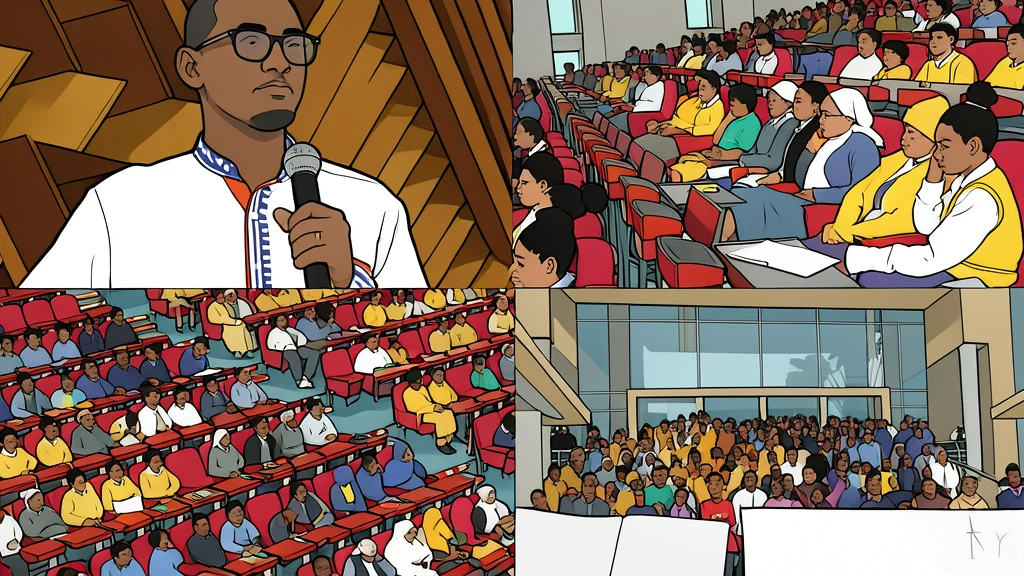
In Abuja, a gathering of analysts and civil society leaders convened to examine the state of Nigeria’s democracy six decades after independence. The forum, organized by the non-profit Archivi.ng with support from the Irish and Canadian high commissions, sought to move beyond immediate political cycles to assess long-term structural trends. Participants aimed to distinguish between genuine progress in electoral integrity and areas where the system remains fundamentally unchanged, providing a historical benchmark as the country prepares for the 2027 general elections.
The discussion centered on the theme of continuity amid change, probing how Nigeria’s political evolution has been shaped by both technological advancements and entrenched institutional habits. According to the GN auto geopolitics/africa: Nigeria elections report, stakeholders argued that while the mechanics of voting have become more robust, the underlying dynamics of power contestation have remained remarkably consistent. This assessment offers a nuanced view of the country’s democratic maturity, highlighting that technical fixes have not necessarily resolved deeper questions of representation and finality in electoral outcomes.
Technical Improvements in Electoral Integrity
Cynthia Mbamalu, director of programmes at Yiaga Africa, noted that the technical dimensions of election management have become significantly harder to manipulate than in previous decades. She observed that while the possibility of large-scale rigging at the polling station level has diminished due to technological safeguards, new forms of subtle manipulation remain a concern. This shift suggests that the challenge has moved from crude interference to more sophisticated methods that exploit existing procedural gaps, requiring vigilant oversight to maintain transparency.
Ameze Belo-Osagie, a fellow at Archivi.ng, added that the pace of electoral litigation has also accelerated. Her research, which tracks court decisions on disputed elections from 1999 to 2023, indicates that the judicial process is now considerably faster than in the early years of Nigeria’s democratic experience. This reduction in delay allows for more definitive resolutions regarding the validity of elections, although questions remain about whether these legal outcomes accurately remedy the underlying malpractices that prompted the disputes.
Persistent Reliance on Judicial Resolution
Despite these procedural improvements, Stanley Achonu of the Malala Fund argued that the final determination of electoral outcomes continues to be decided in courtrooms rather than at the ballot box. He emphasized that the fact that elections consistently end up in litigation reveals a persistent structural issue, where the will of the voters is often subject to judicial interpretation after the fact. This reliance on the judiciary as the ultimate arbiter of democratic choice underscores that the core mechanism of political decision-making has not fundamentally shifted, even if the speed of that process has improved.
The panel also highlighted ongoing gaps in political inclusion, particularly regarding the representation of women and youth. Mbamalu expressed concern that despite sustained advocacy efforts, political parties have not significantly increased the number of candidates from these groups. This indicates that while the technical and legal frameworks of the election process have evolved, the broader social and political structures governing who gets to participate in governance remain resistant to change, leaving a gap between the ideals of inclusive democracy and the reality of candidate selection.
Archiving History for Future Context
Fu’ad Lawal, chief archivist at Archivi.ng, stressed the importance of documenting these historical patterns to provide context for current debates. The organization’s work aims to ensure that discussions about Nigeria’s political future are grounded in recorded evidence rather than memory or speculation. Lawal indicated plans to expand this archival effort to cover broader African history, suggesting that understanding regional democratic trajectories could offer additional insights into Nigeria’s specific challenges and opportunities.
Diplomatic representatives from Canada and Ireland attended the forum, reinforcing the international interest in Nigeria’s democratic trajectory. David Sproule, Canada’s chargé d’affaires, noted that the discussions highlighted both the opportunities and challenges facing the country, while Lesley Ní Bhriain, the Irish ambassador-designate, described the deliberations as valuable for understanding the country’s reality. Their presence underscores the recognition that Nigeria’s democratic development is a matter of significant regional and global importance, particularly as it navigates the complexities of its post-independence political landscape.