INEC Clears 443 Women for 2027 Nigerian Federal Elections

Civil society groups in Abuja have raised concerns over the low proportion of female candidates on the final lists released by the Independent National Electoral Commission for the upcoming federal elections.
The Independent National Electoral Commission has finalized the list of candidates eligible to contest for seats in the Nigerian National Assembly for the 2027 general elections. According to the released data, a total of 4,408 individuals have been cleared to run for the 469 available seats in the Senate and the House of Representatives. Among this group, only 443 are women, representing approximately 10.1 percent of the total candidate pool. This figure marks a slight increase from the 380 women who were cleared in the previous cycle, yet it continues to illustrate a significant gender gap in federal political participation.
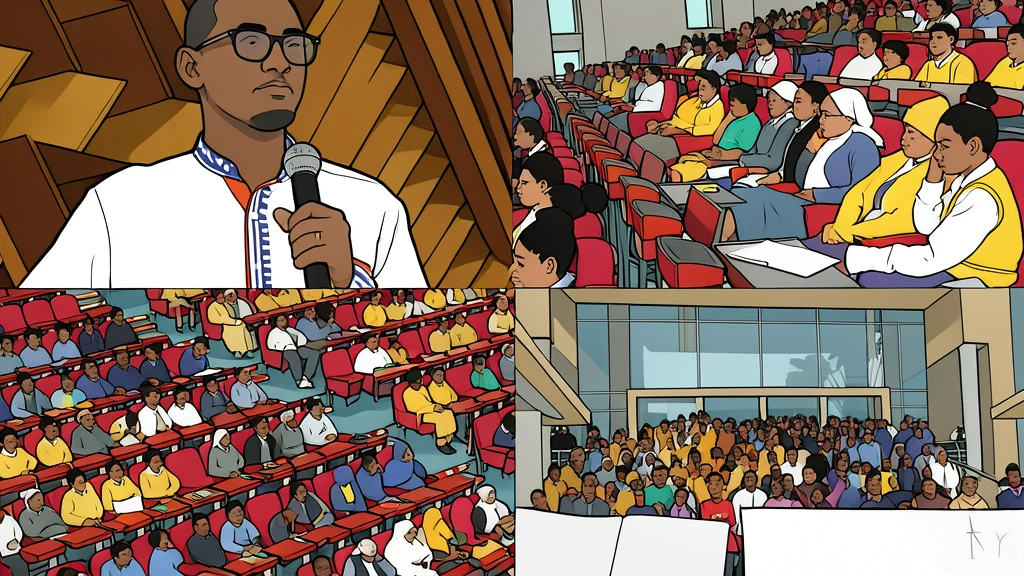
The composition of these lists has prompted a coordinated response from several civil society organizations operating in Abuja. Groups including the Gender Strategy Advancement International, Partners West Africa Nigeria, and the Civil Society Legislative Advocacy Centre held a press conference to address what they describe as persistent structural barriers. These organizations argue that the current numbers reflect systemic exclusion rather than a lack of interest or capability among female political actors. They are urging for broader institutional reforms to ensure that the electoral process is more inclusive and accessible to all demographics.
Structural Barriers Limit Female Candidacy
According to Adaora Onyechere Sydney-Jack, the executive director of the Gender Strategy Advancement International, the primary obstacle is not readiness but access. She noted that women candidates face disproportionate challenges regarding the high cost of political participation. These costs include nomination fees, campaign logistics, and media mobilization, which often exclude those without established financial networks. She emphasized that the debate should shift from questioning the leadership potential of women to examining whether political institutions are creating equitable pathways for them to compete effectively.
The breakdown of the candidate lists highlights a consistent disparity across both chambers of the legislature. In the Senate, where 1,195 candidates are contesting 109 seats, only 115 are women, accounting for 9.6 percent of the field. In the House of Representatives, where 3,213 candidates are seeking 360 seats, 328 are women, representing 10.2 percent. Kemi Okenyodo, executive director of Partners West Africa Nigeria, reinforced these concerns, stating that the current composition raises broader questions about the inclusiveness of Nigeria's democratic system. She suggested that the exclusion of a significant portion of the population from competitive political leadership undermines the representational quality of the government.
Calls for Media and Electoral Reform
Advocates are also pressing for changes in how media outlets cover the election cycle. Sydney-Jack argued that women candidates are often marginalized in reporting, being mentioned only as a demographic statistic rather than being profiled for their policy positions and governance records. She called for consistent, evidence-based coverage that treats female candidates as serious political actors with distinct ideas and solutions. This approach, she stated, is necessary to ensure visibility and public engagement with their platforms ahead of the 2027 polls.
Furthermore, the coalition is advocating for the consideration of reserved seats as part of wider electoral reforms. They maintain that such mechanisms would not replace competitive elections but would address historical barriers to representation. The focus of these recommendations is on creating a structural environment where financial and network-based advantages do not dictate electoral outcomes. As the election cycle progresses, the attention of observers will likely turn to whether these structural calls influence policy decisions or remain confined to civil society discourse.
Monitoring the Path to 2027
The situation remains fluid as the electoral process moves forward. The primary question for stakeholders is whether the identified gaps in funding and visibility will be addressed through legislative or institutional adjustments. The coming months will be critical in determining if the political landscape shifts to accommodate greater diversity in federal leadership. For now, the cleared lists stand as a snapshot of the current state of political entry in Nigeria, with the final outcome dependent on the actions of parties, regulators, and the electorate.