Sweden Enters Critical Phase of Coalition Talks
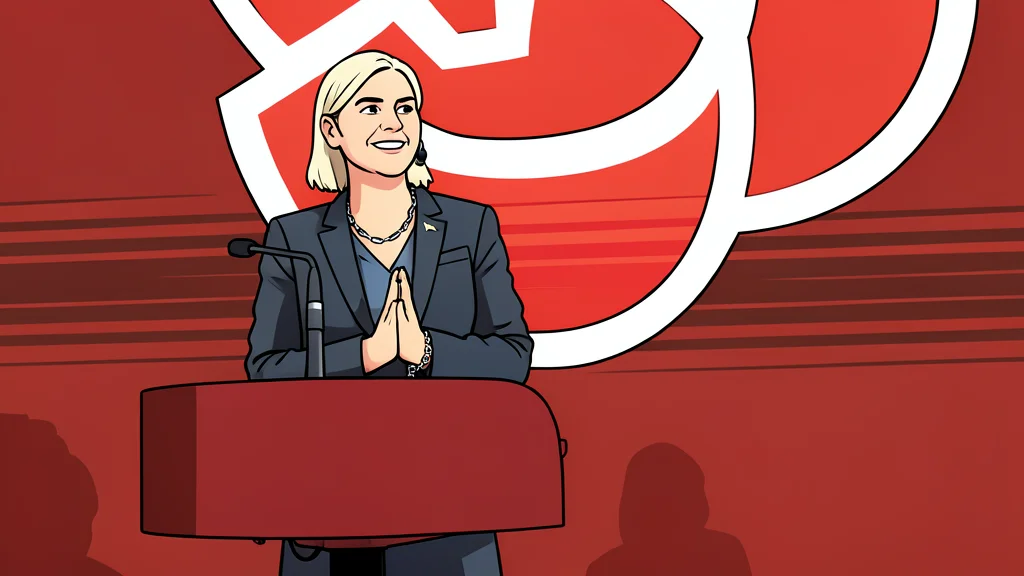
Magdalena Andersson has been tasked with forming a new government following a razor-thin election victory for the left-wing bloc.
Sweden has entered a delicate phase of political negotiation as Magdalena Andersson, leader of the Social Democrats, officially begins efforts to assemble a new administration. According to GN geopolitics/politics (en-US), Andersson was requested by Parliament Speaker Andreas Norlen to take on the task of forming a coalition after the centre-right Prime Minister Ulf Kristersson resigned following the confirmation of last week’s election results.
The left-wing bloc secured a narrow majority, winning 176 of the 349 seats in the Swedish parliament. This slim advantage of three seats means that Andersson will need the support of multiple other parties to sustain a stable government. In a public statement, she emphasized the need for all political forces to set aside tactical maneuvering and prioritize the interests of the Swedish people during this process.
Challenges in uniting the left
Forming a stable coalition presents significant hurdles for the new leader. Andersson is expected to seek the backing of the Greens, the Centre Party, and the Left Party. However, internal disagreements within the bloc threaten to complicate these negotiations. The socialist Left Party has indicated that cabinet positions for its members are a prerequisite for their support, a demand that clashes with the stance of the liberal Centre Party.
The Centre Party has stated it will not support a government that includes such concessions, creating a potential deadlock. This friction highlights the difficulty of balancing ideological differences among parties that are united primarily by their opposition to the current right-wing administration. The success of these talks will depend on whether the parties can find common ground on key policy issues and ministerial allocations.
Tight timeline for decision
Time is a critical factor in these negotiations. Andersson has until September 28 to present a viable government to the parliament. If she fails to secure a majority, the responsibility will revert to the centre-right bloc, led by the outgoing Prime Minister. Given the close margin of the election, the possibility of a minority government or a prolonged period of uncertainty remains a realistic outcome.
Swedish political observers note that coalition-building is a common feature of the country's two-bloc system, where neither side typically commands a clear majority. The previous government formation process in 2022 took more than a month to resolve, suggesting that this period of negotiation could also be lengthy and complex. Stakeholders are watching closely to see if the parties can overcome their differences before the deadline.
Looking ahead to September
The coming weeks will be decisive for Sweden's political direction. The ability of the left-wing parties to unify their demands and present a coherent program will determine the next chapter in the country's governance. As negotiations continue, the focus remains on whether the slim parliamentary majority can be translated into a functional and stable government that can address the nation's pressing challenges.