Nigeria’s Bishops Set National Day of Prayer Before 2027 Elections
The Catholic Bishops’ Conference of Nigeria has designated December 8 as a day of spiritual preparation, urging civic responsibility and ethical use of technology ahead of the upcoming general polls.
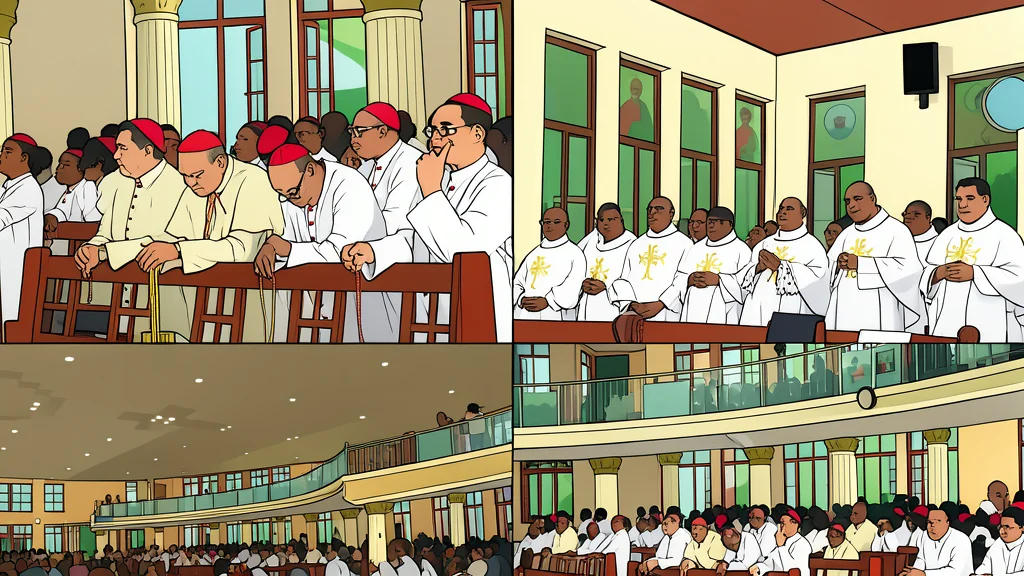
In a significant move ahead of the country’s 2027 general elections, members of the Catholic Bishops’ Conference of Nigeria (CBCN) have designated December 8 as a National Day of Prayer and Fasting. According to a statement issued at the conclusion of their second plenary assembly in 2026, the bishops are calling on Nigerians to prepare spiritually for the polls while emphasizing the need for electoral integrity. The initiative aims to foster a national atmosphere of reflection and civic duty in the lead-up to the voting process.
The declaration was made following a nine-day assembly held at the Our Lady and St. Kizito Pastoral Centre in the Diocese of Osogbo. During this period, the conference addressed several critical issues facing the nation, ranging from electoral ethics to the role of emerging technologies. The bishops, led by President Archbishop Matthew Man-Oso Ndagoso, outlined a comprehensive pastoral response intended to guide both the faithful and the broader public as they approach the democratic exercise.
Call for Credible Electoral Participation
Central to the bishops’ message is a firm appeal for elections that are free, fair, and credible. They urged all eligible voters to participate en masse, encouraging them to select leaders who are qualified to serve the public interest. The statement emphasized that voting decisions should be made according to individual conscience, highlighting the moral weight of the democratic choice. This call for high turnout and responsible leadership underscores the church’s view of voting as both a civic and a spiritual obligation.
To support this civic engagement, the CBCN has instructed dioceses and parishes across the country to organize civic education and voter mobilization activities. These efforts are to be accompanied by end-of-month fasting and prayer, as well as rosary processions scheduled from October through December. By linking spiritual disciplines with civic preparation, the bishops aim to create a sustained period of national reflection that culminates in the designated day of prayer in December.
Ethical Guidance on Technology and AI
The conference also addressed the growing influence of technology and artificial intelligence in public life, particularly in the context of political campaigning. The bishops urged politicians and other stakeholders to deploy these tools responsibly and ethically. They noted that while technology is closely linked to human freedom, it is not neutral and must be guided by ethical considerations. This stance aligns with Pope Leo XIV’s encyclical Magnifica Humanitas, which emphasizes the human-centered use of digital advancements.
According to the statement, emerging technologies should be used to transform data into knowledge and insights for greater societal value. The bishops cautioned against the misuse of such tools, suggesting that their deployment in elections requires careful oversight to ensure they serve the common good rather than undermining democratic integrity. This guidance reflects a broader concern about the impact of digital media on public discourse and civic engagement.
Concerns Over Culture and Education
Beyond electoral matters, the bishops raised concerns about the spread of neo-paganism, particularly among young people, which they attributed to economic hardship and inadequate Christian formation. They observed that modern forms of such practices spread rapidly through internet culture and media. In response, the CBCN called on pastoral agents to utilize digital platforms more effectively for evangelization and catechesis, aiming to provide robust spiritual formation in the digital age.
The conference also reiterated the church’s commitment to education as a cornerstone of human development and social cohesion. The bishops urged governments to fulfill their constitutional responsibility to fund education, advocating for free access to primary and secondary schooling in public, private, and mission schools. They emphasized that quality education is essential for the peaceful integration of Nigeria’s diverse communities and cultures, calling for policies that promote equitable learning opportunities for all citizens.