Somali Official Warns of Security Gap Following AU Troop Withdrawal
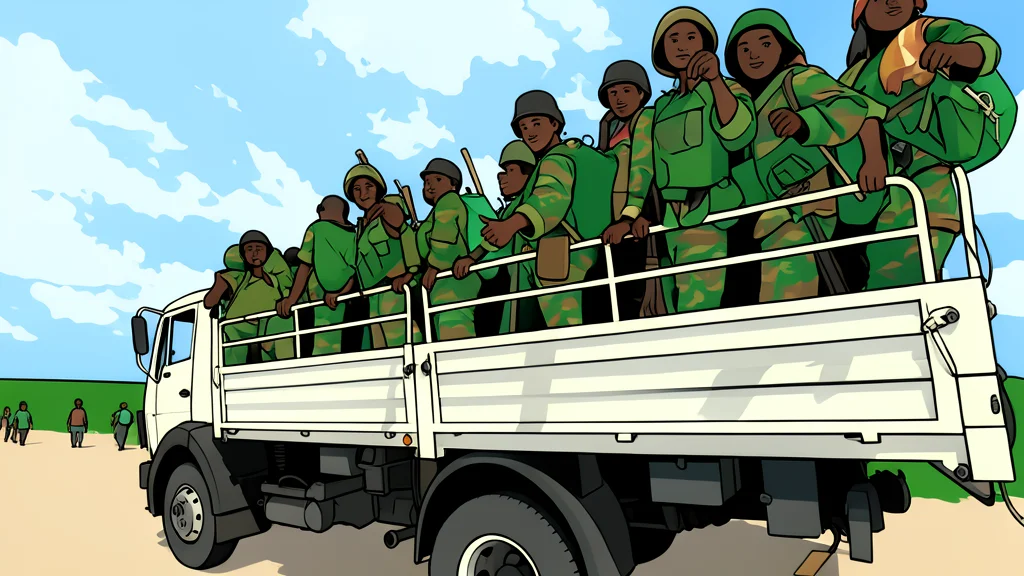
A former minister argues that Mogadishu faces an untenable security situation without the African Union mission, citing US diplomatic positions on logistics funding.
Mogadishu “cannot be defended” if African Union troops withdraw by December, according to Abdirahman Aynte, Somalia’s former Minister of Planning. Aynte stated that US diplomats have informed Somali officials that Washington will not reverse its decision to end logistics funding for the AU peacekeeping mission, regardless of the outcome of ongoing political talks. This warning underscores the fragility of the current security architecture in the capital as the international community debates the future of support for the African Union Transition Mission in Somalia (ATMIS).
The concern is rooted in a formal notification sent by the United States to the African Union on July 1. Washington stated it would stop funding the UN Support Office in Somalia after December 31, 2026. This office provides essential logistics, including food, fuel, transport, and medical care, for the roughly 12,000-strong AU force. While the US says it will not block the UN Security Council from renewing the mission's mandate, it intends to block logistical support, creating a significant operational gap that analysts describe as unsustainable without a new funding arrangement.
Diplomatic Signals Amid Political Stalemate
Aynte, who served as minister from 2015 to 2017, claims that US mediators delivered a direct message during recent talks between the political opposition and the government. According to Aynte, diplomats indicated that if rival factions reach a settlement, Washington would not obstruct other nations from filling the funding gap. However, if no agreement is reached, the US would actively work to prevent other countries from stepping in to support the mission's logistics. This conditional approach suggests that political resolution is a prerequisite for continued international security assistance.
The former minister asserts that this assessment is shared by President Hassan Sheikh Mohamud. Aynte points to a summit in Kampala on July 31, where leaders of troop-contributing countries agreed to seek 18 to 24 months of uninterrupted support and endorsed a phased withdrawal. Mohamud personally appealed to these countries to keep their forces in Somalia even after US logistics funding ends, a move Aynte argues demonstrates the government's lack of confidence in its own defensive capabilities.
Conflicting Narratives on National Capability
These remarks contrast sharply with public statements from current Somali officials who have sought to ease fears of government collapse. President Mohamud, the Security Minister, and the National Security Advisor have all maintained that Somalia’s security forces are fully capable of assuming security responsibilities. On August 16, Mohamud told a graduation ceremony for newly trained soldiers that the country no longer needed foreign peacekeepers and suggested it was time to send them home. However, Aynte argues that the continued request for international support reveals a different reality on the ground.
Aynte further suggested that the international community may be indifferent to the specific governance structure in Mogadishu if political leaders fail to reach an agreement. He claimed that diplomats have indicated the world would not object if Al-Shabaab took power, provided the group renounced its Al-Qaeda affiliation and expelled foreign fighters. This perspective, while controversial, highlights the perceived leverage of external actors in Somali internal politics and the complex interplay between local governance and international security interests.
Forward-Looking Security Dynamics
The situation remains fluid as political factions continue to negotiate. The key question now is whether a domestic settlement can be reached before the logistics funding deadline approaches. If no agreement is made, the potential withdrawal of AUSSOM forces could create a security vacuum that neither the Somali National Army nor other regional actors are currently prepared to fill alone. Observers will watch closely for signs of diplomatic breakthroughs or, conversely, further fragmentation in the capital's political landscape.
This analysis is based on reporting from GN auto geopolitics/africa: Somalia security, which highlights the tension between stated national capabilities and the practical realities of maintaining security in Mogadishu. The coming months will likely see increased diplomatic activity as Somalia and its international partners navigate the implications of the US funding withdrawal. The outcome of these negotiations will determine the trajectory of security in the Horn of Africa for years to come.