Kosovo Clears Political Impasse to Form New Cabinet
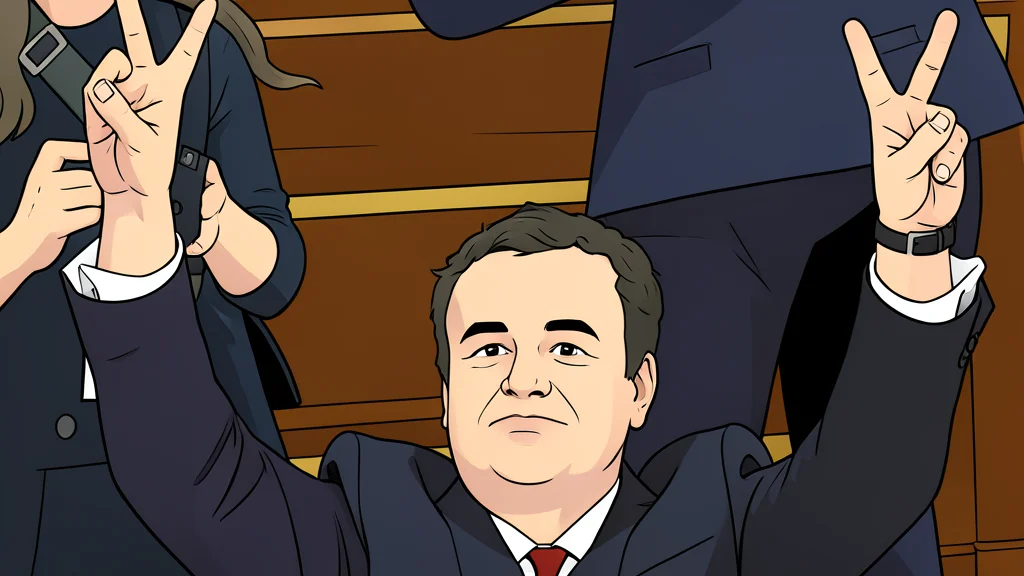
Kosovo's parliament has approved a new government, ending months of paralysis, though a contentious fight over the presidency remains ahead.
Kosovo’s assembly has approved a new government led by acting Prime Minister Albin Kurti, effectively ending a three-month period of political paralysis. According to Parliamentary Speaker Albulena Haxhiu, the cabinet secured support from 62 of the 120 members of parliament on Sunday. This development marks a significant step toward stabilizing the administration, although it does not fully resolve the underlying constitutional tensions that have plagued the country.
While the formation of the cabinet provides immediate administrative continuity, it offers only a temporary respite before a more severe constitutional challenge arises. The core of the ongoing crisis lies in the difficulty of electing a president, a process that requires a two-thirds majority which Kurti’s party, Vetevendosje, cannot achieve alone. Without a successful presidential vote, Kosovo faces the prospect of a fourth snap election in just two years, further straining political resources and public confidence.
Constitutional hurdles persist
The path to electing a head of state has become increasingly fraught due to internal fractures within the opposition. Although Kurti recently reached a deal with the Democratic League of Kosovo to support law professor Bekim Sejdiu as president, several lawmakers from that party publicly rejected the agreement. According to reports, six LDK deputies stated they would not respect their leader’s decision, signaling that the coalition required to secure the necessary supermajority remains fragile and potentially unstable.
This domestic deadlock is closely intertwined with Kosovo’s diplomatic relations, particularly its strained ties with neighboring Serbia. Kurti’s hardline stance in the Serb-dominated north has alienated some traditional Western backers, including the United States and the European Union. These international actors have urged de-escalation following recent clashes, suggesting that a lack of consensus on the presidency may hinder broader diplomatic progress and regional stability.
Economic and diplomatic stakes
The prolonged political instability has carried tangible economic consequences for the country. According to Al Jazeera English, months of legislative gridlock have stalled key reforms required for European Union integration. This delay threatens Kosovo’s access to pre-accession funds and slows the implementation of structural changes necessary for long-term economic development, placing additional pressure on the new government to deliver results quickly.
The new cabinet must now navigate these competing pressures while attempting to build a consensus for the presidential vote. The ability to unify the fragmented political landscape will be the defining test of Kurti’s administration. Failure to do so risks a return to electoral uncertainty, while success could pave the way for renewed diplomatic engagement and economic progress.
Watch for presidential vote timeline
Observers should closely monitor whether the new government can secure the necessary votes for a presidential candidate in the coming weeks. The timing of this vote remains unclear, but its outcome will determine whether Kosovo avoids another round of snap elections. Additionally, the extent to which the administration can de-escalate tensions in the north and engage with international partners will be critical indicators of the government’s stability and effectiveness.