Osborne Argues for UK Return to EU Customs Union
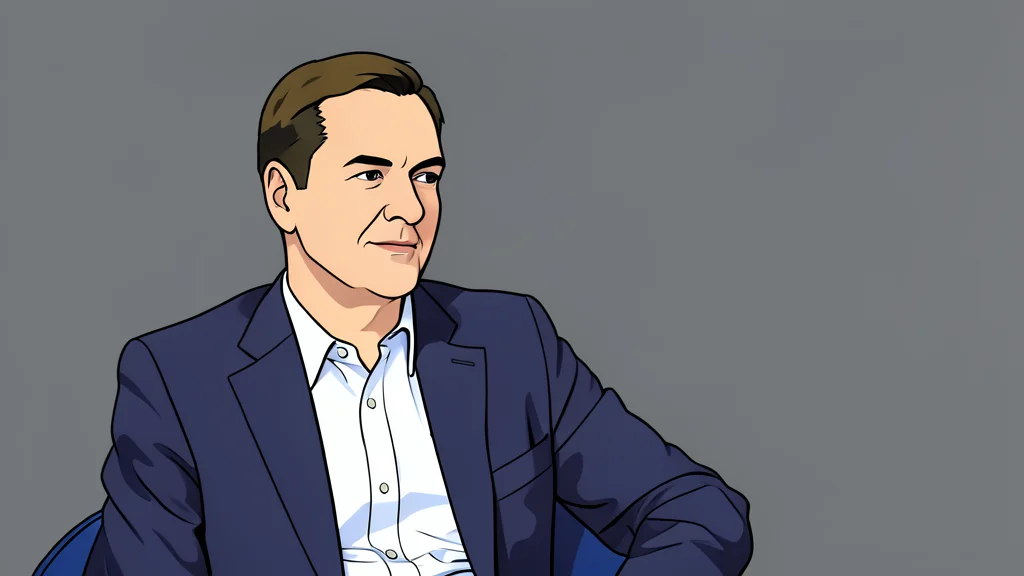
Former Chancellor George Osborne suggests rejoining the EU customs union is a viable path to repair economic damage, comparing the situation to historical narratives that continue to evolve.
George Osborne, the former UK Chancellor, has argued that the economic consequences of Brexit have been severe and that a specific policy shift is required to reverse the trend. In a recent interview reported by The Independent, Osborne stated that Britain’s economy has deteriorated significantly since the 2016 referendum. He described the situation as a fall from a height, suggesting that the nation is poorer than it would have been had it remained in the European Union.
Osborne proposed a concrete remedy, asserting that the UK should rejoin the EU customs union. He characterized this move as a straightforward administrative step that was largely overlooked during the initial Brexit debates. According to Osborne, this action would address trade disruptions without requiring the UK to accept the free movement of people, a point he highlighted as a significant distinction from rejoining the single market.
Historical parallels in political discourse
In his remarks, Osborne drew a comparison between the current political climate and historical narratives depicted in the Bayeux Tapestry. As the chair of the British Museum, he is involved in bringing this medieval artifact to London for exhibition. He used the tapestry as a metaphor to suggest that Brexit is not the final chapter in the story of British-EU relations. Instead, he viewed it as a phase that can be corrected through renewed engagement with European neighbors.
The former chancellor also addressed the broader political landscape, criticizing what he termed a conspiracy of silence among leaders in politics, business, and unions. He argued that this reluctance to discuss closer ties with the continent is hindering efforts to revitalize trade and attract investment. Osborne suggested that the fear of reopening the Brexit debate is preventing necessary conversations about regulatory cooperation and economic integration.
Challenges to current leadership
Osborne directed specific criticisms toward Conservative leader Kemi Badenoch, questioning her stance on potential alliances with other parties. He dismissed her refusal to form an election pact with Nigel Farage’s Reform UK, arguing that she would likely do so if it were the only path to power. Additionally, he accused her of attempting to outdo her rivals with right-wing policies that he deemed futile.
Conversely, Osborne praised the energy of the new Labour prime minister, Andy Burnham. However, he noted a contradiction in Burnham’s position, as the Prime Minister has committed to honoring Labour’s manifesto pledge not to rejoin the EU or its customs union. Osborne expressed his puzzlement over this stance, arguing that rejoining the customs union is a logical and relatively easy decision that does not carry the same political complexities as other forms of integration.
Economic rationale for trade links
The argument for rejoining the customs union centers on the failure of anticipated trade deals with third countries. Osborne pointed out that the promise of securing major agreements with the United States, which was a key justification for leaving the customs union, has not materialized. He described these expectations as fanciful, suggesting that the practical reality of trade barriers has outweighed the theoretical benefits of independent trade agreements.
According to analysis from GN auto geopolitics/europe: European politics, the core of Osborne’s argument rests on the idea that economic problems cannot be solved in isolation. He emphasized that issues such as immigration, economic growth, and the regulation of new technologies require collaborative solutions with European neighbors. The former chancellor maintains that the current isolationist approach is limiting Britain’s potential and that a pragmatic shift in trade policy is essential for recovery.