Somalia’s Human Rights Commission Seeks UNDP Support for Institutional Reform
Somalia’s National Independent Human Rights Commission and UNDP have outlined a roadmap for enhancing accountability systems and complaint management mechanisms.
In Mogadishu, the leadership of Somalia’s National Independent Human Rights Commission (NIHRC) met with the newly appointed UNDP Resident Representative to discuss the structural development of the body’s oversight capabilities. According to GN geopolitics/rights (en-US), the primary objective of these talks was to strengthen the Commission’s internal systems for managing complaints, ensuring transparency, and producing rigorous human rights reports. This engagement marks a significant step in the ongoing effort to align the Commission’s operational standards with international norms.
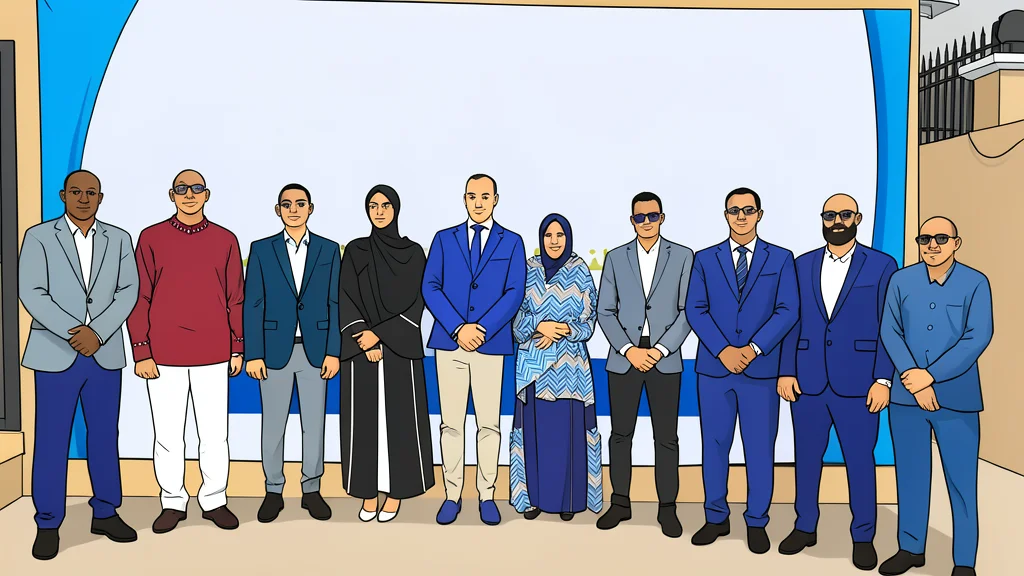
The discussions were led by Maryan Qasim, Chairperson of the NIHRC, and Christophoros Politis, the UNDP Resident Representative. Both parties emphasized the necessity of building an institution that is not only technically competent but also genuinely independent. The meeting served as a platform to reaffirm UNDP’s commitment to supporting the Commission’s mandate, particularly in areas where technical assistance can bolster the institution’s ability to document rights violations and hold authorities accountable. The presence of the Commission’s Director General and advisors underscored the institutional priority placed on these reforms.
Strengthening Complaints and Monitoring Mechanisms
A central focus of the dialogue was the improvement of the Commission’s complaints management system. According to GN geopolitics/rights (en-US), a more robust mechanism for receiving and processing grievances would provide Somali citizens with a more effective channel for reporting alleged abuses. The goal is to move beyond administrative reception of complaints toward a structured process of investigation and follow-up. This shift is critical for the Commission to fulfill its constitutional role as a primary defender of human rights in a context where access to justice remains limited for many.
The support framework discussed includes capacity building for staff who are responsible for documentation and reporting. By enhancing these technical skills, the Commission aims to produce reports that are both credible and actionable. This is viewed as essential for attracting and maintaining the trust of international partners and domestic stakeholders. The integration of these systems is expected to reduce the burden of manual processes and allow for more data-driven advocacy on human rights issues.
Context of Institutional Development
This engagement follows a series of interactions between the UNDP and various Somali institutions since the new Resident Representative presented his credentials in August 2026. The Commission has also been engaging with other international actors, including Swiss diplomatic representatives, to refine its institutional framework. These parallel tracks of engagement suggest a broader diplomatic effort to reinforce the rule of law and accountability structures within the Somali state. The Commission’s recent capacity-building workshops in April 2026 further illustrate this commitment to professionalizing its operations.
Challenges to Operational Independence
Despite these advancements, the Commission operates in a challenging environment characterized by prolonged insecurity and humanitarian pressures. Analysts note that the true measure of the NIHRC will be its ability to operate free from political interference. Technical assistance from partners like UNDP is vital, but it must be balanced with a commitment to preserving the Commission’s autonomy. A human rights body that produces well-formatted reports but lacks the authority to challenge abuses would not meet its mandate.
The forward question centers on whether the Commission can translate these institutional upgrades into tangible accountability for human rights violations. As Somalia navigates its transition, the effectiveness of the NIHRC will depend on its capacity to investigate sensitive cases and report on them without fear or favor. Continued international support is essential, but it must be directed toward strengthening the Commission’s independence rather than merely enhancing its administrative systems. The coming months will reveal whether these structural improvements can withstand the pressures of the current political landscape.