Myanmar Challenges UN Envoy Credentials Amid Diplomatic Standoff
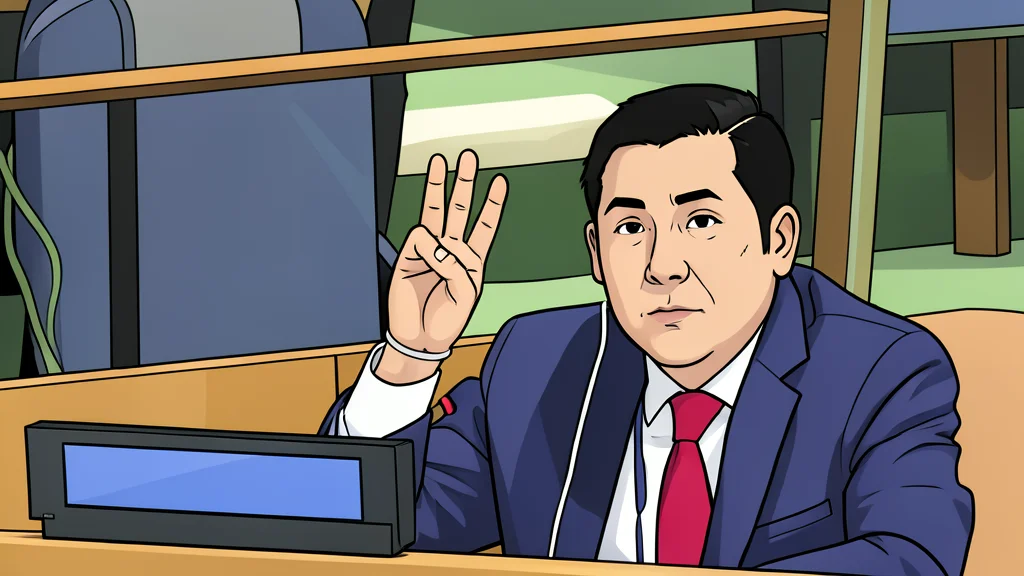
Naypyidaw asserts its right to dismiss the current ambassador, setting the stage for a pivotal decision by the UN Credentials Committee.
Myanmar’s foreign ministry has formally contested the legitimacy of its United Nations ambassador, declaring that his continued presence at the UN does not constitute recognition of his authority. According to a statement released by the ministry, the ambassador was dismissed from civil service in early 2021 for alleged treason and collaboration with opposition groups, a move the government argues nullifies his status as the country's representative.
The dispute centers on a decision pending with the UN Credentials Committee, which is tasked with determining whether to accept the military government’s candidate or maintain the status quo. This standoff highlights the deepening diplomatic fracture between Naypyidaw and the international community, where the ambassador, appointed by the ousted civilian government, has rejected the military’s claims of authority for over five years.
Allegations of treason and misuse of funds
The ministry’s accusations are detailed and severe, alleging that the ambassador misused state resources, including the premises of the UN Permanent Mission in New York. The statement, published in state-run media, characterizes his actions as collusion with the National Unity Government, an exiled opposition body that Naypyidaw has designated as a terrorist organization. The government insists that his continued tenure is merely a temporary administrative arrangement rather than a grant of diplomatic legitimacy.
These claims come just days after the ambassador made an emotional address to the UN General Assembly, calling for the strongest possible action against the military regime. His break with the ruling junta occurred weeks after the 2021 coup, marking a significant split in Myanmar’s diplomatic representation and leaving the committee to navigate a complex web of legal and political obligations.
Committee dynamics and geopolitical alignment
The Credentials Committee includes members with diverging geopolitical interests, such as China and Russia, who are close allies of the Myanmar military, and the United States, which has imposed sanctions on key junta leaders. According to GN geopolitics analysis, this composition suggests a difficult balancing act, as the committee must weigh diplomatic protocols against the political realities of a state in civil war. The presence of both supportive and critical nations makes a unanimous or decisive outcome uncertain.
China and Russia have provided military and diplomatic support to the junta, while the US and other Western nations have largely recognized the resistance forces as the legitimate representatives of the Myanmar people. This divergence complicates the committee’s mandate, as any decision to switch credentials could be seen as a significant shift in international posture, whereas maintaining the current ambassador may be viewed by Naypyidaw as an endorsement of illegitimate authority.
Diplomatic drive for new recognition
Since the military seized power, Myanmar’s authorities have faced isolation in many foreign capitals, but the situation is evolving. The former junta chief, now serving as civilian president, is actively pursuing a new diplomatic recognition campaign. This shift in strategy aims to reinsert the military government into the global fold, challenging the narrative of international isolation that has persisted since the coup.
The stakes of the upcoming credentials decision extend beyond a single diplomatic post. With the civil war having claimed over 100,000 lives according to conflict monitors, the legitimacy of the government at the UN is a proxy for broader questions about accountability and human rights. The committee’s annual decision, typically announced in November, will likely serve as a barometer for the international community’s stance on Myanmar’s internal conflict and the future of its governance.