Sudanese Entrepreneurs Restart Businesses Amid Ongoing Conflict
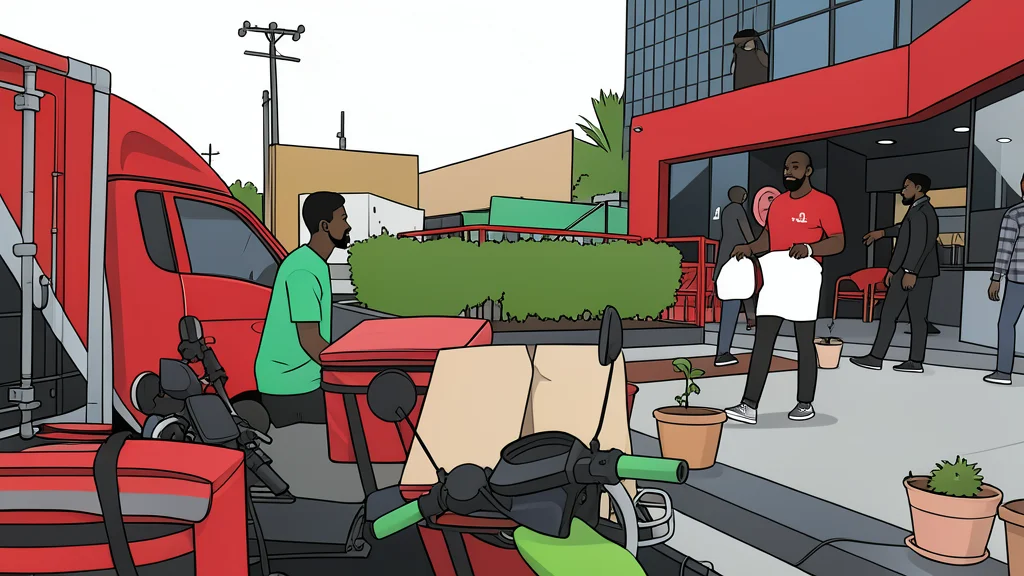
In Khartoum and Omdurman, local business owners are reestablishing shops and restaurants to restore livelihoods and create jobs despite the persistent instability caused by the war.
Across Sudan, a new wave of young entrepreneurs is attempting to reconstruct their livelihoods after more than three years of conflict dismantled the commercial infrastructure of major cities. These efforts are not merely about personal recovery but represent a broader attempt to stabilize local economies and provide employment in communities that have been severely impacted by the fighting. The focus has shifted from large-scale industrial projects to smaller, resilient businesses that can operate within the constraints of the current security environment.
In the capital, Khartoum, the destruction of established trade networks has forced many to start from scratch. Despite the risks associated with operating in a conflict zone, several business owners report that restarting their ventures is a necessity for community survival. According to reports from the GN auto geopolitics/africa: Sudan conflict desk, these local initiatives are becoming a critical pillar of economic activity, offering a sense of normalcy and income in an otherwise uncertain landscape.
Restarting trade in Khartoum
Mohamed Saeed, a 27-year-old clothing trader, is working to re-establish a store he had built over an eleven-year period. Before the war intensified, Saeed had expanded his operations from Port Sudan and Atbara to the capital, only to see those assets destroyed when the fighting reached Khartoum. He describes the process of starting again as arduous, noting that the loss of physical inventory and customer trust has been a significant hurdle. However, he maintains that the drive to serve his home city remains a motivating factor, even as the market conditions remain volatile.
Dining and employment in Omdurman
In the nearby city of Omdurman, Taha Younis is navigating similar challenges with a restaurant that reopened four months ago. Younis and his partners had developed a brand before the conflict but were forced to halt operations when the security situation deteriorated. Now, they are focusing on gradual growth and hiring local youth to address the labor shortage. Younis acknowledges that keeping up with the daily challenges of running a food service business in a war-affected area is extremely difficult, yet the team remains committed to providing stable work for young people who have lost other opportunities.
SMEs as economic anchors
Economic analysts suggest that small and medium-sized enterprises are playing a disproportionately large role in keeping the local economy functional. Mohamed Alnayer, an economic analyst, notes that these businesses provide essential goods and services that larger entities may no longer be able to deliver efficiently. By creating direct employment and generating income for households, these SMEs help to maintain a baseline of economic activity. This grassroots approach to recovery is seen as a vital component of broader stability, even as the national context remains fraught with uncertainty.