Thousands Flee to Waza After Attacks in Cameroon Far North
Residents from over ten villages have reached Waza following deadly clashes, with local officials reporting a severe shortage of food and medical supplies.
Key points
- Thousands of residents fled to Waza after attacks in the Makary and Medouga areas left at least 14 people dead.
- Local officials report that displaced individuals in Waza are facing severe shortages of food, water, and shelter.
- Cameroon’s Far North Region governor has convened emergency meetings to coordinate a response to the growing humanitarian crisis.
A significant wave of displacement has struck the town of Waza in Cameroon’s Far North Region, where thousands of residents have arrived seeking safety. According to reports, these individuals are fleeing from communities around Makary and Medouga after violent incidents that local witnesses describe as retaliatory strikes by suspected Boko Haram fighters.
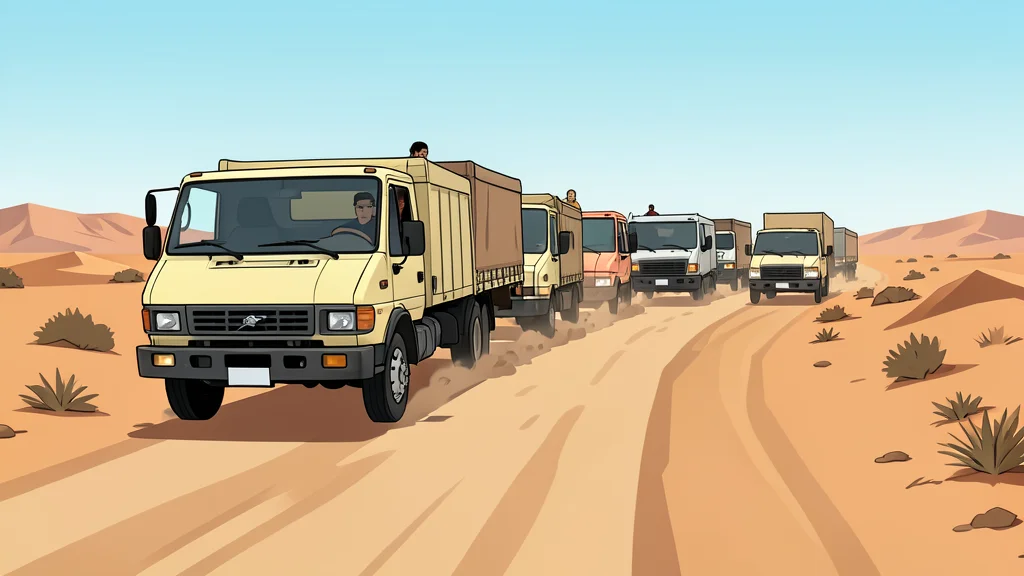
The sudden influx has placed immense strain on local infrastructure, as families traveled by truck, motorcycle, or on foot to reach the town. The humanitarian situation appears critical, with displaced individuals reporting that they have had little access to essential resources since their arrival. This development underscores the ongoing volatility in the region, where security concerns continue to drive populations away from their homes.
Villages abandoned under threat
Witnesses indicate that the violence resulted in at least fourteen deaths, prompting a rapid exodus from more than ten nearby villages. Kassoum Saley, a displaced resident, described the urgency of the situation, noting that residents were forced to abandon their homes while taking only what they could carry. He highlighted the persistent fear among villagers, who felt compelled to guard their communities overnight to prevent further incursions.
Strained resources in Waza
The arrival of these refugees has overwhelmed public spaces and schools in Waza since Thursday, September 17. Mahamat Amadou, a local health official, stated that many newcomers are sleeping in the open air due to a lack of adequate shelter and security. He noted that the physical and psychological toll on the displaced is severe, with many arriving in a state of exhaustion and fright.
According to Africanews, there are growing concerns about the basic survival needs of the population, particularly among women and children who may be going days without sufficient food or water. The scarcity of assistance has raised fears of a worsening humanitarian crisis, as the town’s capacity to absorb such a large number of new arrivals is quickly being tested.
Government response to crisis
In response to the escalating situation, crisis meetings were convened on Monday at the offices of the Governor of the Far North Region. Authorities are working to formulate an emergency response plan to address the rapidly growing humanitarian needs of the displaced population. Additionally, reports indicate that more than 300 people also sought refuge in Maroua overnight, suggesting that the impact of the violence extends beyond the immediate vicinity of Waza.
As the region grapples with this new wave of displacement, the focus remains on the immediate provision of aid and the establishment of secure housing. The coming days will likely determine the scale of the international and national assistance required to manage this humanitarian challenge. Observers will watch closely for the deployment of resources and the stability of the security situation in the Far North.