Ukraine Claims 45% Loss of Russian Oil Refining Capacity

Ukrainian military reports a significant drop in Russian fuel production following strikes on major refineries, including one in Moscow.
Key points
- Ukraine's General Staff reports a 45% reduction in Russia's total oil refining capacity due to recent strikes.
- The Moscow Oil Refinery halted production after its main distillation units were hit in a September 20 attack.
- Russian authorities claim to have intercepted over 1,600 drones during a single mass attack on September 20.
Russia’s total oil refining capacity has decreased by 45 percent, according to a report issued by Ukraine’s General Staff on September 21. The assessment highlights a sharp decline in the production of high-quality gasoline and diesel fuel meeting Euro-5/K5 standards, which the military says is contributing to a shortage of such fuels within the Russian Federation.
This significant reduction in capacity follows a series of intense long-range attacks on critical energy infrastructure. The latest major incident involved the Moscow Oil Refinery, which was targeted by drones and missiles on September 20. According to Kyiv Independent, the strike marked a pivotal moment in Ukraine’s sustained campaign to degrade Russia’s economic and military logistics.
Strikes on Major Refineries
The attack on the Moscow facility, owned by the state-controlled Gazprom Neft, resulted in the cessation of production, as reported by Reuters citing industry sources. The main crude distillation units were hit, and repairs are expected to take several weeks, further straining an already tight supply chain. This incident was part of a broader wave of strikes, with facilities in Yaroslavl and Samara oblasts also targeted since mid-September.
Expanded Arsenal and Reach
Ukraine’s ability to conduct these strikes is attributed to a dramatic expansion in the size and diversity of its long-range weapons arsenal. Ukrainian forces have demonstrated the capability to launch weapons from over 1,500 kilometers away, reaching deep into Russian territory. President Volodymyr Zelensky noted the use of several domestically produced systems, including the Flamingo cruise missile and a drone designated as the Pelican.
Air Defense Challenges
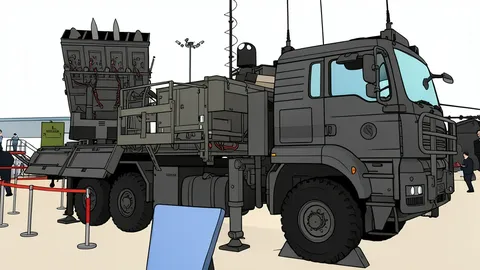
The scale of these operations has tested Russian air defense networks. Moscow Mayor Sergey Sobyanin stated that Russian forces shot down more than 1,600 drones across the country during the September 20 attack, with 450 specifically aimed at the capital. The volume of incoming threats suggests that current defense systems are struggling to maintain complete coverage against such dense and distant salvos.