Horn of Africa Drawn into Red Sea Conflict
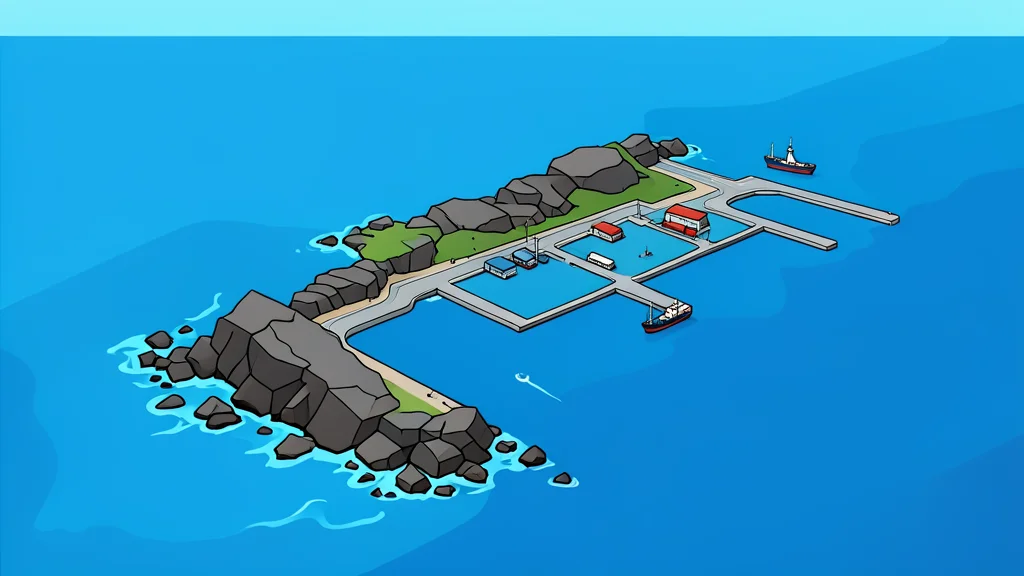
Escalating tensions in the Gulf are merging with regional instability, turning the Red Sea into a single theater of strategic competition.
Key points
- Approximately 3,000 Yemenis fled to Djibouti recently as fighting intensified between Houthi and government forces.
- The Red Sea is becoming a unified theater of conflict, linking Gulf tensions with Horn of Africa instability.
- External support is allowing armed groups and states to survive without building durable domestic administrative structures.
The strategic landscape of the Horn of Africa is undergoing a profound shift as regional conflicts increasingly overlap with broader Middle Eastern hostilities. According to Amani Africa, the Red Sea no longer functions as a geographic divider but rather as a connector of warring zones, linking the pressures on the Strait of Hormuz with the vulnerabilities at Bab el-Mandeb. This integration suggests that local stability is now inextricably linked to the outcome of larger geopolitical confrontations.
Since late February 2026, increased military activity involving the United States, Israel, and Iran has heightened the strategic value of southern Red Sea shipping lanes. The Houthi movement, by controlling key positions such as Mocha and the Hanish islands, has leveraged this vulnerability to redirect global trade and influence insurance costs. This dynamic has immediate consequences for neighboring African nations, where the proximity to conflict zones is reshaping domestic and foreign policy priorities.
Humanitarian and Strategic Spillover
The intensification of fighting between Iran-backed forces and Saudi-backed government entities has produced tangible humanitarian effects on the African coast. It is reported that approximately 3,000 people fleeing Yemen have crossed the sea into Djibouti in the past week, prompting the local authorities to request international assistance. Djibouti’s position, hosting foreign military bases while lying close to Houthi-held territory, places it at the center of this spillover.
Other nations in the region are also experiencing the ripple effects of this maritime instability. Eritrea’s coastal assets have gained renewed strategic significance, while Somalia’s trade routes face increased exposure to disruption. In Somaliland, efforts toward international recognition are becoming entangled with offers of security access from external actors, illustrating how geopolitical leverage is reshaping diplomatic trajectories.
Erosion of State Authority
Analysts suggest that the region is witnessing a reversal of historical trends in state formation. Traditionally, war compelled rulers to build robust administrative structures and secure taxation bases. In the contemporary Horn of Africa, however, external support allows governments and armed movements to survive without building durable relationships with their citizens. This shift means that military survival no longer requires the traditional consolidation of state power.
This process is described as cumulative state-unmaking, where institutions lose resources and personnel while commanders acquire independent power. Citizens increasingly seek protection through communal or militia structures, accelerating fragmentation. Foreign powers, seeking ports and strategic depth, may deal directly with these fragmented entities rather than national governments, resulting in a formal sovereignty that lacks practical authority.
Permanent War as Regional Norm
The condition of permanent war is emerging not as continuous combat everywhere, but as a regional reality where coercion becomes a standard tool of bargaining. Wars in this environment mutate rather than end, and the institutions necessary for peace weaken with each cycle of violence. States remain on the map, but their legitimacy and social foundations are steadily eroding under the weight of external dependencies and internal fragmentation.