Tunisian Activists Face Health Crisis Amid Protest
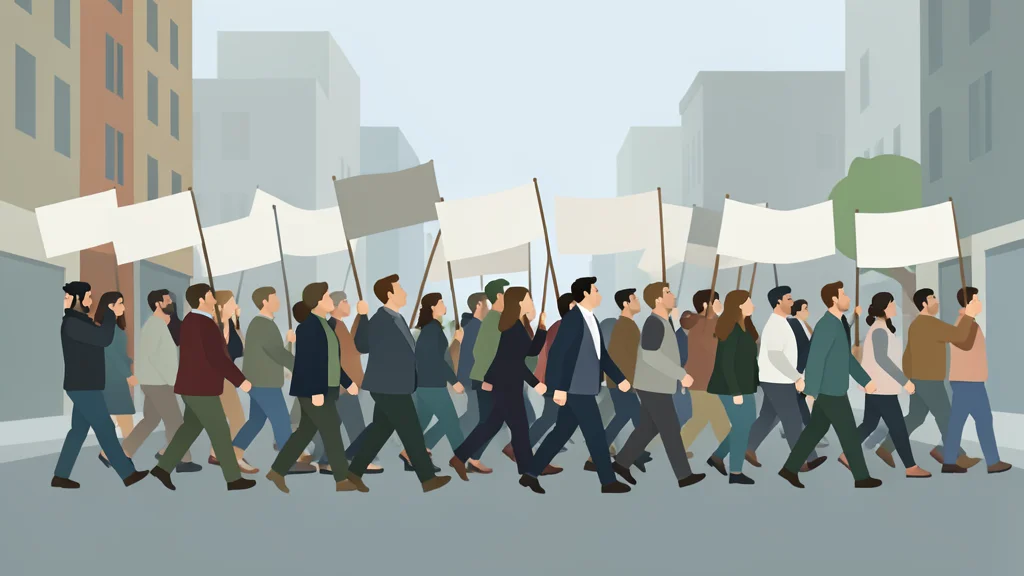
Protests in Tunis center on the deteriorating condition of hunger-striking detainees linked to the Global Sumud Flotilla.
Dozens of demonstrators gathered in central Tunis on Saturday to demand the immediate release of four activists associated with the Global Sumud Flotilla. The protest, which moved from the National Journalists’ Union headquarters to Avenue Habib Bourguiba, was driven by growing anxiety over the physical condition of one detainee who has been on an open-ended hunger strike for more than a month.
According to Al Jazeera English, the situation has intensified following a recent court decision to extend the pre-trial detention of the four men by another four months. While Tunisian state media cites judicial sources alleging financial irregularities related to fundraising, the activists and their legal team deny any wrongdoing, arguing that the case is part of a broader crackdown on civil society.
Detainees report severe health decline
Wael Naouar, a member of the flotilla’s steering committee, began his hunger strike in mid-August, with three colleagues joining him in early September. Ghassen Bouaazi, a representative of the committee defending the activists, stated that Naouar’s health has deteriorated significantly after roughly 35 days of refusing food.
Bouaazi described symptoms including repeated fainting, breathing difficulties, and hallucinations, noting that Naouar has lost more than 20 kilograms. He characterized the current situation as a direct threat to the activist's life and placed political, legal, and moral responsibility for the outcome on President Kais Saied and his government.
Accusations of political repression emerge
Supporters argue that the charges against the four men are dubious and part of a wider campaign targeting political dissent, journalists, and rights defenders. Bouaazi asserted that the judicial system in Tunisia lacks independence, functioning instead under the monopoly of the executive branch. He suggested that the prosecution aims to criminalize independent solidarity with Palestinians and reflects a security-focused approach to public life.
Student movement calls for unity
The recent demonstration followed a public statement from former members of the General Students Union and various civil society groups. They urged trade unions and rights organizations to mobilize around the case, emphasizing that the government bears ultimate responsibility for the safety of the hunger strikers. The coalition seeks to frame the issue not just as a legal matter, but as a test of Tunisia's commitment to civic freedoms.
As the health of the detainees remains a focal point, observers are watching for any official medical reports or diplomatic interventions. The coming weeks may see further mobilization if the current judicial stance does not change, with the broader question of civil society's resilience in Tunisia remaining unresolved.