Washington Clears $24 Billion F-35 Transfer to Riyadh
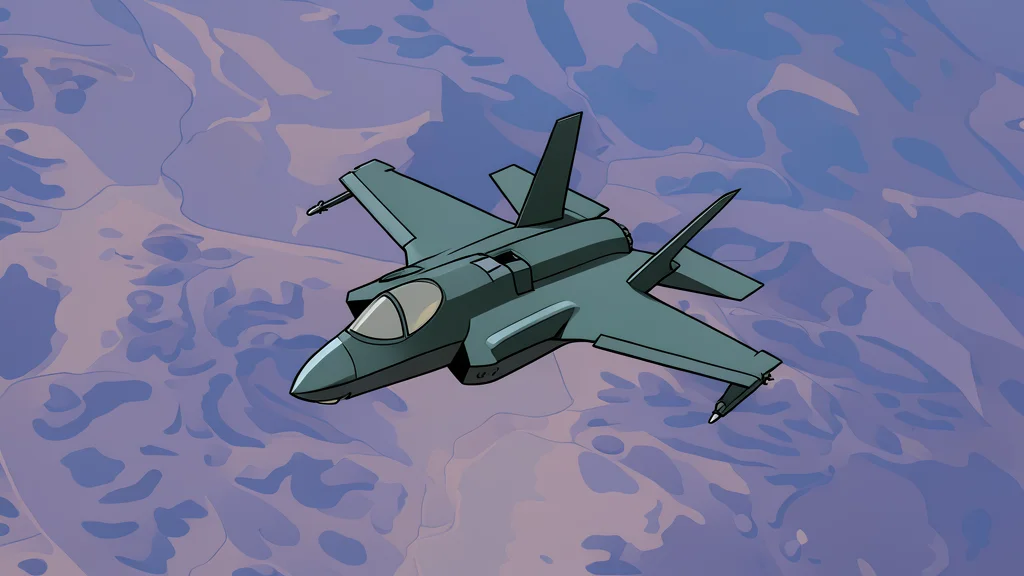
The U.S. State Department has authorized a major arms sale that would make Saudi Arabia the second Middle Eastern nation to operate the fifth-generation stealth fighter, a move that carries significant implications for regional security dynamics and U.S. technology protection.
The U.S. State Department has formally approved the potential sale of 48 F-35A Lightning II stealth fighter jets to Saudi Arabia, marking a significant shift in the kingdom’s air defense capabilities. According to the notification to Congress, the proposed package is valued at approximately $24 billion and includes 49 Pratt & Whitney F135-PW-100 engines, advanced communications and cryptographic equipment, electronic warfare support, spare parts, and comprehensive training and logistics services.
If finalized, this transaction would position Saudi Arabia as the second country in the Middle East to operate the aircraft, following Israel. The State Department stated that the sale would strengthen Saudi Arabia’s ability to deter threats, improve homeland defense, and increase interoperability with U.S., regional, and NATO forces. Officials emphasized that the transfer is expected to support broader U.S. foreign policy and national security objectives by enhancing the stability of a major non-NATO ally in the Gulf region.
Strategic Implications and Regional Balance
The decision arrives at a time of heightened regional tension, with Saudi Arabia facing ongoing security challenges from Yemen’s Houthi rebels. The F-35, developed by Lockheed Martin, is equipped with advanced sensors and electronic warfare systems designed for high-threat environments. While the State Department asserted that the sale will not alter the military balance in the region, the introduction of such a sophisticated platform represents a substantial upgrade for the Saudi Air Force, which has historically relied on a mix of fourth-generation fighters and ground-based air defense systems.
Concerns Over Technology Security
Despite the official endorsement, the deal has drawn scrutiny regarding the potential exposure of sensitive U.S. military technology. U.S. intelligence officials have reportedly warned that selling F-35s to Saudi Arabia could increase the risk of China gaining access to classified systems, according to a report by The New York Times. This concern is underscored by the fact that Riyadh has expanded its defense partnerships with Beijing in recent years, including joint military exercises and collaboration on drones and missiles. The Pentagon has not yet publicly commented on these specific intelligence assessments.
As reported by GN geopolitics/war (en-US), the balance between supporting a key ally and protecting proprietary military technology remains a central dilemma for Washington. The F-35 program is heavily reliant on strict information security protocols, and the introduction of the aircraft into a country with deepening ties to a strategic competitor of the United States adds a layer of complexity to the transfer. Critics argue that the risk of technology leakage could undermine the competitive advantage of the platform, while proponents maintain that diplomatic and security benefits outweigh the risks.
Congressional Review and Next Steps
The proposed sale is not yet final and must undergo a mandatory 30-day congressional review period. Under U.S. law, lawmakers have the opportunity to examine the proposal and potentially object to the transfer before the administration can finalize the transaction. This legislative window provides a critical checkpoint for policymakers to assess the geopolitical and security implications of the deal. The outcome of this review will determine whether the $24 billion package moves forward, further cementing the U.S.-Saudi defense relationship or triggering a broader debate on arms export controls in the region.