UN Report Acknowledges Morocco’s Engagement in Development Rights
A new annual report from the UN Human Rights Council details how Morocco contributed to recent discussions on public participation and the right to development, alongside other nations.
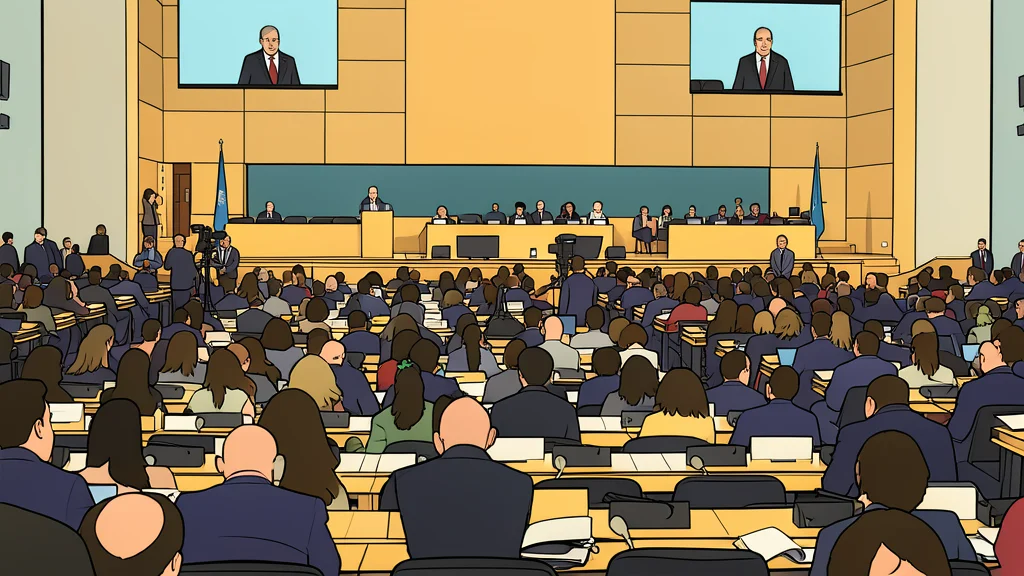
The Expert Mechanism on the Right to Development has submitted its annual report to the United Nations Human Rights Council, marking the conclusion of its 63rd session. According to the written document, several nations demonstrated significant engagement during the recent thematic dialogues, with Morocco cited as a key participant in shaping discussions around public participation as a tool for development.
The report highlights the specific contributions made by national human rights institutions, noting that Morocco, along with Kenya and Mexico, played a pivotal role in mediation and coordination. These efforts were aimed at aligning public policies more closely with the needs of civil society, a standard of engagement that the UN body seeks to promote globally.
Morocco’s Contribution to Thematic Dialogues
During the twelfth session of the Mechanism, a central focus was placed on how citizens can effectively engage with development processes. Morocco was specifically identified in the report as an example where national institutions helped bridge the gap between government policy and civil society input. This recognition suggests that the country’s approach to inclusive governance is being viewed as a model for other Member States to consider.
The involvement extended beyond a single session, as the Kingdom also delivered general statements during the thirteenth session held in New York. According to the documentation, this consistent presence underscores a sustained commitment to the agenda, rather than a one-off interaction with the international body.
Civil Society Representation and Institutional Roles
The report notes that the participation was not limited to state actors. Moroccan civil society organizations were also represented, with the Moroccan League for Citizenship and Human Rights specifically mentioned among the participants. This dual involvement of both state and non-state actors provides a comprehensive view of the country’s engagement with the right to development.
References to these activities appear in multiple sections of the final document, including the lists of participants and the detailed accounts of the sessions. As reported by GN geopolitics/rights (en-US), this detailed inclusion serves to document the ongoing collaboration between national entities and the UN framework for human rights.
Future Directions for Global Development
As the UN Human Rights Council continues its work, the focus is expected to remain on how nations can better integrate public participation into their development strategies. The next steps will likely involve further analysis of how the models cited in this report can be adapted to different regional contexts, ensuring that the right to development remains a practical reality for diverse populations.