US Clears $414M Uranium Deal in Niger
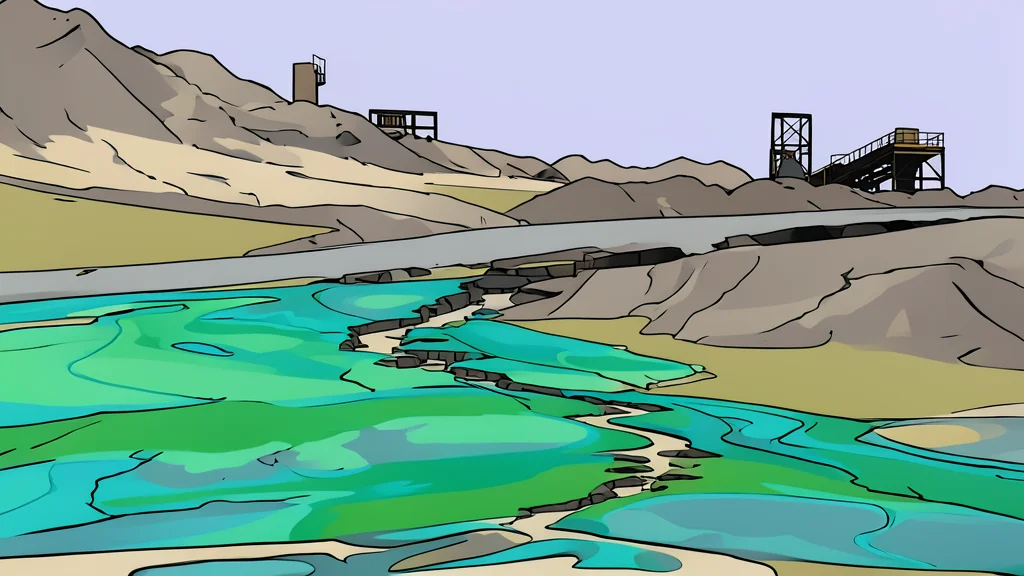
Washington has approved major financing for a uranium project in Niger, a move seen as an effort to reassert influence in the Sahel despite the recent withdrawal of US forces.
The United States government has authorized up to $414 million in financing for a uranium mining project in Niger, marking a significant shift in economic engagement with the West African nation. According to the project’s developer, this approval comes two years after Washington agreed to withdraw its troops from the country, signaling a renewed effort to secure access to strategic resources in a region increasingly influenced by rival powers.
The U.S. Development Finance Corp approved the debt facility for Global Atomic’s Dasa project, which the Canadian miner describes as the highest-grade uranium deposit in Africa. As reported by Al Jazeera English, this investment is viewed by analysts as a potential turning point in US-Niger relations, particularly as Niger navigates its post-coup geopolitical landscape and seeks to diversify its security and economic partnerships.
Securing Strategic Mineral Access
Niger is the world’s seventh-largest uranium producer, and the new deal aims to bolster American access to a critical supply chain. Sources briefed on the effort indicated that US Ambassador Kathleen FitzGibbon urged the administration to support the project, aligning with a broader strategy to secure energy resources that might otherwise fall under the influence of rival states. This move is particularly significant as Niger is currently in a dispute with French state-backed miner Orano, which has long dominated the sector.
The approval follows a period of strained relations, with the US withdrawing approximately 1,000 troops in 2024 after the military government deemed their presence illegal. By investing in the Dasa project, Washington aims to maintain a foothold in the country’s energy sector without relying solely on military presence. The development also offers a potential area of cooperation between the US and Canada, providing a positive note in the face of ongoing trade tensions between the two neighbors.
Navigating Regional Security Risks
Despite the financial approval, the project faces substantial security and political challenges. Last month, an attempted mutiny in Niamey saw soldiers attack key military and government sites, highlighting the instability within the country’s security apparatus. Niger’s government has accused France of orchestrating the offensive, a claim Paris has denied. These events have complicated the operational environment for foreign investors and raised concerns about the safety of personnel and infrastructure.
In response to these risks, Global Atomic has been exploring alternative export routes for its uranium. Since Niger is landlocked, the company is considering investing in a transport corridor through Algeria and across the Sahara Desert. Algeria recently sent aircraft to assist the Nigerien government during the recent unrest, indicating a strengthening of ties between the two nations. This potential partnership could reshape the logistics of uranium trade in the region, offering a viable alternative to traditional routes.
Future Implications for Sahel Policy
The addition of uranium to the US critical minerals list last year has heightened interest in Niger’s reserves, making the country a focal point in the global competition for strategic materials. The success of the Dasa project will depend not only on technical and financial factors but also on the stability of the political environment in Niger. Stakeholders are watching closely to see if this investment can foster a more stable and cooperative relationship between the US and the Sahel.