NATO Accelerator Supports Edge AI for Autonomous Drone Operations
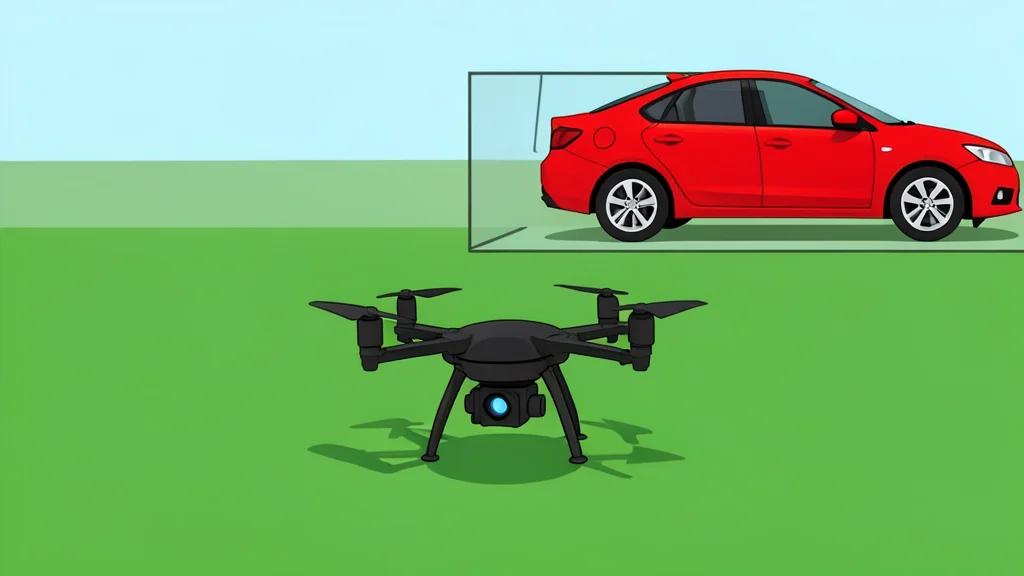
A Swedish startup is integrating lightweight machine learning models into military drones, enabling autonomous target identification on forward-deployed hardware.
European defense strategies are increasingly incorporating artificial intelligence to enhance the autonomy of unmanned aerial systems. A Swedish company, Scaleout Systems, is working to deploy these capabilities on small drones used for both surveillance and attack missions. According to GN geopolitics/nato, the initiative is part of a broader effort by NATO allies to secure a strategic advantage in modern warfare through advanced sensor data processing.
The company, originally founded by researchers from Uppsala University in 2018, initially focused on machine learning applications for commercial vehicles. However, the full-scale invasion of Ukraine by Russia in 2022 prompted a significant pivot toward defense applications. Andreas Hellander, the cofounder and CEO, stated that the shifting geopolitical landscape highlighted the need to operationalize edge data for machine learning, ensuring that allied forces can leverage this technology effectively.
Optimizing Models for Edge Hardware
Unlike systems that rely on large, frontier AI models from major tech firms, Scaleout Systems utilizes leaner machine learning models. These compact algorithms are designed to perform computer vision tasks directly on the limited hardware available in drones and forward bases. Hellander noted that these models must function across a wide range of devices, from small embedded units to more powerful edge workstations, ensuring robust performance in diverse operational environments.
This approach allows for real-time target detection and selection without the need for constant connectivity to central servers. By processing data locally, the systems can respond to battlefield conditions with greater speed and reliability. The focus on edge computing addresses the specific constraints of military operations, where bandwidth and latency are critical factors in mission success.
Integration into NATO Programs
In 2025, Scaleout Systems was selected to join NATO’s Defence Innovator Accelerator for the North Atlantic, known as DIANA. Through this program, the company is collaborating on the Federated Aerial Intelligence for Recon project. This initiative focuses on adapting machine learning models for the specific hardware found in drones, pilot tablets, and field command posts, aiming to create a cohesive intelligence network.
Future Directions in Autonomous Warfare
The deployment of such technologies raises significant questions about the future of autonomous combat systems. As militaries integrate AI-driven target selection, the balance between human oversight and machine speed becomes a central concern. Observers will likely watch how these systems perform in real-world scenarios and how regulatory frameworks evolve to address the ethical and operational implications of autonomous attack capabilities.