US Diplomatic Norms Curb Push for Somaliland Recognition
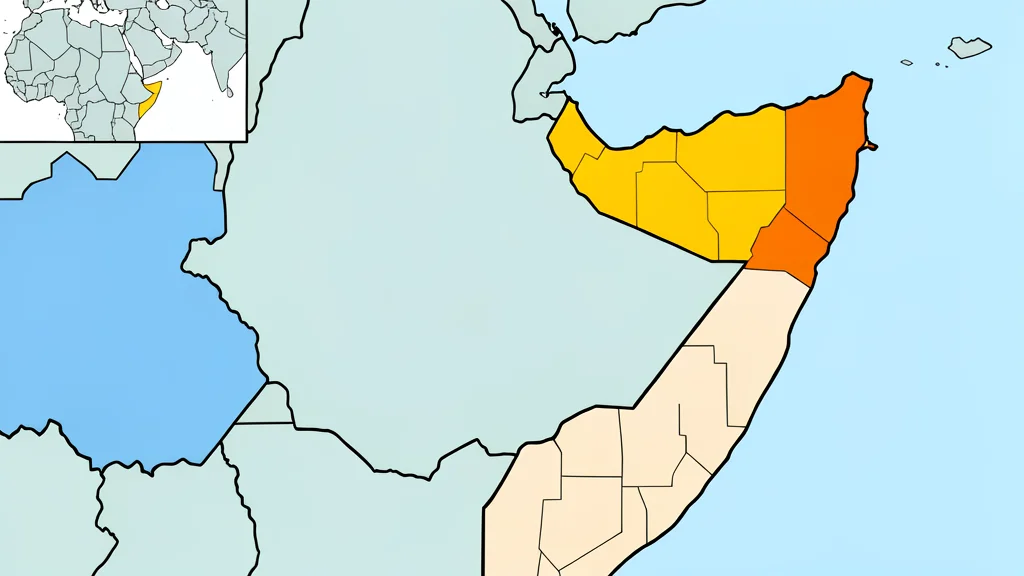
Despite strategic arguments, US officials warn that recognizing Somaliland would fracture counterterrorism ties with Mogadishu.
Key points
- Recognition would formalize a partition that Somaliland has not secured, as eastern clans remain unionist and control areas like Las Anod.
- US Ambassador David Shinn warns that unilateral recognition breaks with African Union norms and risks counterterrorism ties with Mogadishu.
- The analysis argues that past US interventions contributed to Somali instability, making recognition a potential destabilizer rather than a stabilizer.
Debate over recognizing Somaliland has intensified in US policy circles, driven by concerns over Red Sea security and Iranian influence. However, a recent analysis published by Eurasia Review argues that formal recognition would not stabilize the region but rather exacerbate existing fractures in the Somali Peninsula.
The core of the argument against recognition is that it would formalize a partition that Hargeisa has not successfully secured on the ground. Critics note that eastern clans remain largely unionist, challenging the assumption that Somaliland’s territorial claims are uncontested or stable.
Eastern Clans Remain Unionist
Advocates for recognition often cite geostrategic necessities, such as countering the Houthis and securing shipping lanes. Yet, this perspective overlooks the internal dynamics of Somaliland’s claimed territory. According to the analysis, armed resistance in the east dates back to 2009, and local militias recently routed the Somaliland army at Las Anod in 2023.
This defeat led to the establishment of the North East State of Somalia, which is recognized by the federal government in Mogadishu. The Dhulbahante and Warsangeli clans in the region overwhelmingly support a unified Somalia, meaning President Irro’s administrative control effectively ends around the town of Oog, leaving a significant gap between Hargeisa’s authority and the eastern border.
Diplomatic Precedents Limit Action
Former US Ambassador to Ethiopia David Shinn highlights the diplomatic constraints Washington faces. He notes that the United States has historically deferred to the African Union on matters of sovereignty and border integrity. Unilateral recognition without broader African consensus would represent a significant break from this established norm.
Shinn warns that such a move could jeopardize two decades of counterterrorism cooperation with the federal government in Mogadishu. He describes the previous “dual-track” approach as a strategic hedge intended to encourage stability within a federal framework, rather than an endorsement of secession.
Historical Context Shapes Current Risk
The article critiques the narrative that state failure is an inherent Somali condition, arguing instead that it is an outcome of specific historical interventions. It suggests that viewing recognition as a solution ignores the complex causes of instability in the region.
Observers should watch for any shifts in US engagement with Hargeisa that might signal a move beyond the current hedging strategy. Any deviation from the standard practice of respecting African Union consensus could have immediate repercussions for regional security cooperation.