Gaza Students Return to Makeshift Classrooms After Three-Year Halt
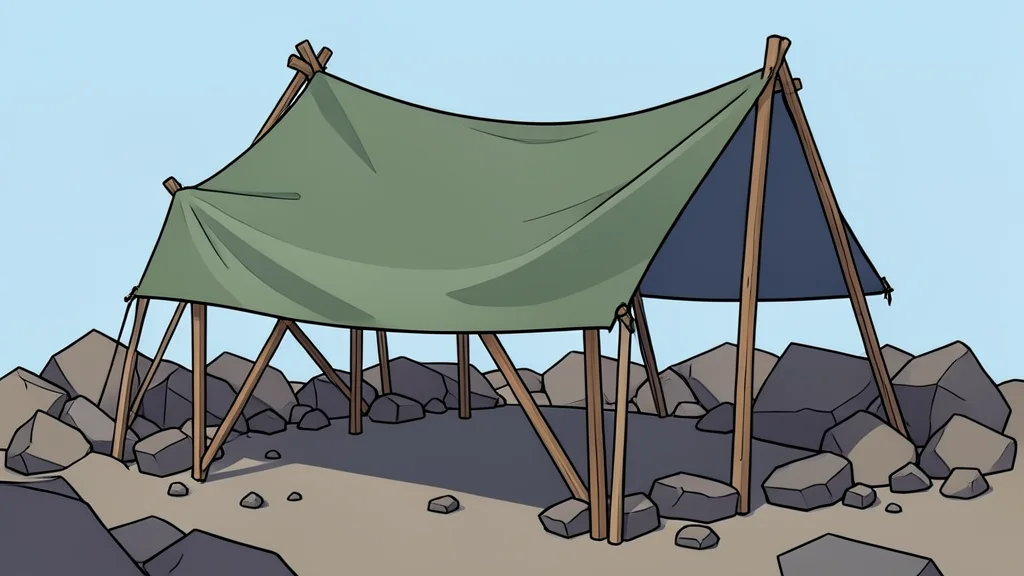
Students in Gaza resumed in-person learning in damaged structures and tents amid severe supply shortages and ongoing displacement.
Key points
- 98 percent of schools in Gaza were destroyed or damaged, forcing students into temporary tents and damaged buildings.
- Approximately 660,000 students were deprived of in-person learning for three years before classes resumed on Saturday.
- Import restrictions have increased the cost of stationery by fivefold, creating a financial barrier for many families.
Hundreds of thousands of children in the Gaza Strip returned to in-person schooling on Saturday, marking the first time they have attended classes in nearly three years. The reopening occurred under severe constraints, with many students filing into buildings that suffered significant damage or into temporary shelters constructed from basic materials.
According to Al Jazeera English, the United Nations Children’s Fund reports that 98 percent of schools in the enclave were destroyed or damaged during the recent conflict. Local education officials estimate that approximately 660,000 students have been deprived of regular, in-person learning during this period, creating a profound gap in their educational trajectories.
Temporary structures replace permanent schools
Across the territory, the Ministry of Education, supported by aid agencies, has established dozens of temporary learning spaces. These makeshift classrooms are often built from tarpaulins, sheet metal, and wooden poles. In many cases, the interior consists of little more than mattresses on the floor and a single blackboard, lacking basic furniture or climate control.
Students describe the experience as a mix of relief and hardship. Moayed Abu Mustafa, a student in Khan Younis, noted that he had not attended school for three years. He stated that despite the lack of proper shoes, notebooks, or pens, he intends to continue learning even if it means sitting on the floor in a sweltering tent.
Supply shortages drive up costs
The return to classroom learning is complicated by a severe shortage of basic educational supplies. Stationery trader Khaled Aliyan indicated that import restrictions have driven the prices of essential items up by fivefold. This economic barrier means that families who could previously afford basic supplies now struggle to provide them, affecting students like Samar Abu Salmi, who can no longer access necessary materials.
The fragility of this reopening is underscored by the ongoing humanitarian context. Ibrahim Ramadan, director of education for eastern Khan Younis, cited figures showing that roughly 22,000 students and over 770 education workers have been killed. This toll includes 532 teachers, highlighting the severe disruption to the educational workforce and student body.
Uncertainty remains over educational access
Despite the resumption of classes, the broader security situation remains unresolved. Israeli forces continue to control more than 60 percent of the Gaza Strip. While a ceasefire agreement halted large-scale fighting in October 2025, the underlying conflict persists, leaving the long-term stability of the education system in question.
Observers will now watch how these temporary arrangements evolve and whether supply chains can stabilize to support sustained learning. The success of this fragile milestone depends on the ability to maintain safety and provide consistent resources in a region still grappling with the aftermath of extensive destruction.