Birth Certificate Uncovers Origins of New Cartel Leader
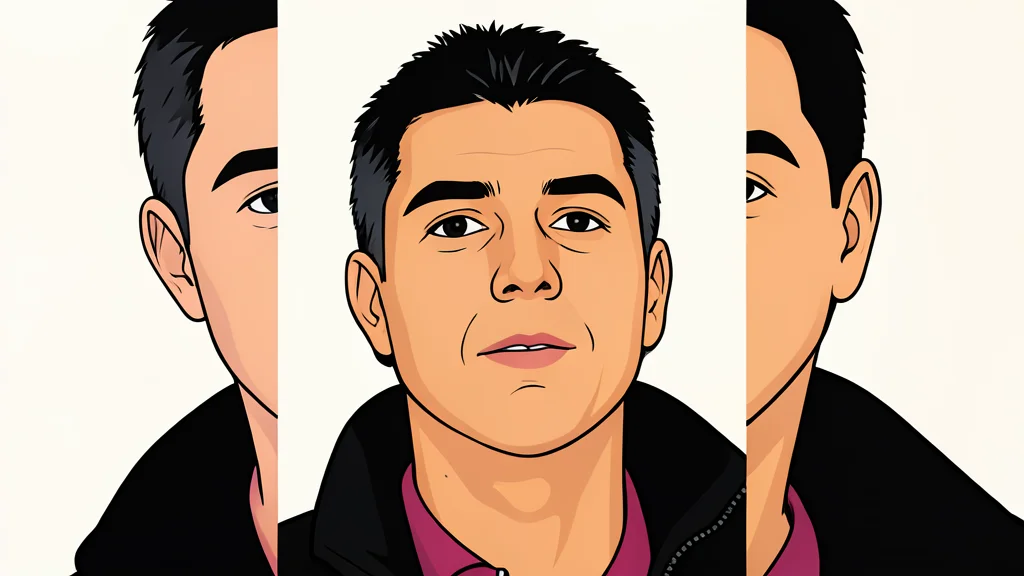
Newly surfaced documents detail the early life of the CJNG's current leader, revealing a California birth and a complex family history tied to the cartel's founder.
A birth certificate obtained by EL PAÍS English reveals that Juan Carlos Valencia González, who recently assumed leadership of the Jalisco New Generation Cartel, was born in a private hospital in Santa Ana, California. The document, issued by the state of California, records his birth on September 12, 1984, at Mercy General Hospital in a suburb south of Los Angeles. This finding marks him as the first head of a major Mexican drug trafficking organization to be born on U.S. soil, a detail that stands in stark contrast to the current administration's rhetoric on cross-border security.
According to the records, his mother, Rosalinda González Valencia, registered the child as a single mother. The certificate lists the father’s field as “N/A,” a notation that obscures the identity of Armando Valencia Cornelio, a known figure in the Milenio Cartel. The document also notes a clerical anomaly where the mother's surnames were transposed, listing “Valencia” as a middle name and “González” as the paternal surname. These details provide a rare glimpse into the personal history of a figure who has become a central target for U.S. law enforcement.
Life in the Bay Area
Following his birth in Orange County, the family moved to northern California, where Rosalinda gave birth to three children with Nemesio Oseguera Cervantes, known as El Mencho. While El Mencho was building his reputation through heroin sales and serving prison sentences in San Francisco, Rosalinda worked in agricultural fields and packing plants to support the household. The period between 1986 and the family's return to Mexico remains largely undocumented, with little public information available regarding the specific circumstances of their residence in the Bay Area.
In a letter to a Washington, D.C. court, Rosalinda described her early years in the United States, stating she arrived at age 14 and struggled to make ends meet through various low-wage jobs. Her testimony highlights the modest beginnings of a family that would later accumulate significant wealth. The contrast between these early struggles and the subsequent rise of the CJNG underscores the complex trajectory of the organization's leadership.
From Modest Beginnings to Cartel Power
As El Mencho’s influence grew, the family network expanded into a diverse range of legitimate and illicit businesses. The DEA has estimated that the cartel's leadership has built an empire that includes hotels, restaurants, tequila distilleries, and gas stations. This diversification of assets reflects a broader strategy among Mexican cartels to integrate into the formal economy, complicating efforts to dismantle their financial structures through traditional enforcement measures.
The recent death of El Mencho has elevated Juan Carlos Valencia González to the top of the organization. As the DEA’s most wanted fugitive, his background in the United States adds a new layer to the transnational nature of the conflict. The discovery of his birth certificate serves as a concrete link between the U.S. and the leadership of one of the world’s most powerful criminal organizations, highlighting the deep roots of these networks in American communities.
Implications for Cross-Border Security
The revelation that the current CJNG leader was born in California raises significant questions for policymakers and security analysts. It challenges the narrative that such organizations are purely foreign entities operating against U.S. interests, suggesting instead a more intertwined history of migration, criminal enterprise, and economic opportunity. This context is crucial for understanding the challenges facing law enforcement agencies tasked with tracking and disrupting these networks.
Moving forward, attention will likely turn to how U.S. agencies will address the specific ties between the cartel's leadership and American territory. The focus may shift toward investigating the financial flows and operational networks that facilitated the rise of the CJNG from its early days in San Francisco to its current dominance in Mexico. The next steps in this investigation will be critical in determining the scope of the organization's reach and its impact on regional stability.